
";}
Tag

autistic children Archives - EAV

Your Complete Guide to Managing Meltdowns & Tantrums with ABA Therapy

By | Blog | No Comments

Let’s be honest. If parenting came with a manual, the chapter on meltdowns would probably be the most dog-eared, coffee-stained section in the book. And if you’re raising a child with autism, you know that emotional regulation can feel like trying to navigate a ship through a storm without a compass.


But here’s the good news: you’re not alone on this journey, and there are proven strategies that can transform those overwhelming moments into opportunities for growth.


Understanding Meltdowns vs. Tantrums: Why It Matters


Before we dive into solutions, let’s clear up a common misconception. Meltdowns aren’t just “bad behavior” or tantrums that need discipline. They’re genuine neurological responses to overwhelming situations. According to research, approximately 70% of children with autism experience significant difficulties with emotional regulation.


Think of it this way: if a neurotypical child’s emotional regulation system is like a thermostat with smooth adjustments, a child with autism might have one with sensitivity issues. It’s either too hot or too cold, with few settings in between.


Ready to help your child develop better emotional regulation skills? Schedule a free consultation to learn how personalized ABA therapy can make a difference.


What Is ABA Therapy and How Does It Work?


Applied Behavior Analysis (ABA therapy) is the gold standard, evidence-based approach for teaching children with autism essential life skills, including emotional regulation. But how does ABA therapy work, exactly?


At its core, autism ABA therapy breaks down complex skills into manageable steps, uses positive reinforcement to encourage desired behaviors, and provides consistent, structured learning opportunities. In fact, the National Institutes of Health recognizes ABA as the most researched and effective intervention for autism spectrum disorder.


A BCBA (Board Certified Behavior Analyst) designs individualized programs based on your child’s unique needs, strengths, and challenges. This personalized approach is what makes ABA therapy progress so measurable and meaningful.


The Science Behind Emotional Regulation in ABA Therapy

emotional regulation in aba therapy

Here’s where things get fascinating. The ABA therapy benefits extend far beyond simply reducing meltdowns. Through systematic teaching and positive and negative reinforcement ABA therapy techniques, children learn to:


  • Identify their emotions before they escalate
  • Communicate their needs effectively
  • Develop coping strategies that actually work
  • Understand cause-and-effect relationships


Research shows that early intervention therapy, particularly ABA therapy, can lead to significant improvements in emotional regulation, with some children showing up to 47% reduction in challenging behaviors within the first six months.


Practical ABA Strategies for Managing Meltdowns at Home

practical aba therapy tips for children with autism

The Power of Antecedent Management


Prevention is always better than intervention. By identifying triggers, whether it’s sensory overload, transitions, or communication difficulties, you can create an environment that minimizes meltdown frequency. This might involve:


– Creating visual schedules for predictability

– Incorporating sensory integration therapy techniques

– Using fine motor skills activities as calming exercises

– Establishing consistent routines


Early Autism Ventures (EAV) specializes in training parents to recognize these antecedents, making your home a supportive learning environment where ABA therapy progress continues beyond clinic sessions. Learn more about it here.


Teaching Functional Communication


Many meltdowns stem from communication frustration. Through autism ABA therapy, children learn alternative ways to express their needs, whether through words, sign language, picture exchange systems, or AAC devices.


Think of it as giving your child the right tools for the job. You wouldn’t expect someone to build a house with just a hammer, right? Similarly, children need various communication tools to express their complex emotions.


Replacement Behaviors: The Game-Changer


Here’s where ABA therapy truly shines. Instead of just stopping unwanted behaviors, we teach replacement behaviors that serve the same function. If your child hits when frustrated, we teach them to request a break. If they scream when overwhelmed, we teach calming strategies.


This approach respects your child’s needs while giving them socially appropriate ways to meet those needs—a cornerstone of behavioral and sensory regulation.


Wondering how to implement these strategies effectively? Contact our team for a comprehensive assessment and personalized roadmap.


The Role of Positive Reinforcement in Building Emotional Skills


Let’s talk about positive reinforcement, arguably the most powerful tool in the ABA toolkit. When children receive immediate, meaningful praise or rewards for using emotional regulation skills, they’re more likely to use those skills again.


But here’s the catch: positive and negative reinforcement ABA therapy must be individualized. What motivates one child (stickers!) might mean nothing to another (give me screen time or give me death!).


A skilled BCBA or QBCA, such as those at EAV, identifies what truly motivates your child and creates a reinforcement system that makes practicing emotional regulation genuinely rewarding.


Comprehensive Support: Beyond ABA Therapy


While ABA therapy benefits are extensive, a holistic approach often yields the best results. That’s why many successful programs, including the EAV approach, integrate:


– Occupational therapy for kids to address sensory issues in children

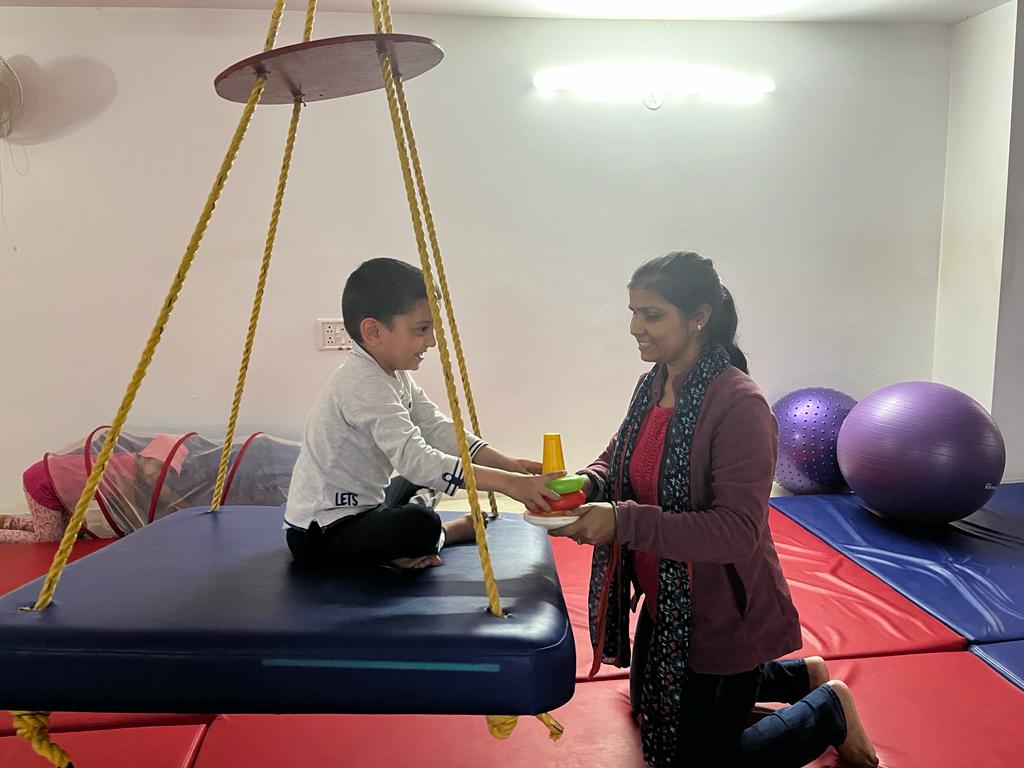
– Pediatric occupational therapy for gross motor skills therapy and motor planning activities

– Child development therapy focusing on school readiness skills

– Sensory processing disorder therapy for children with heightened sensitivities

– OT for autism to complement behavioral interventions

– Balance and coordination therapy to improve body awareness

– Feeding therapy for kids when eating challenges contribute to stress

– ADL training (Activities of Daily Living) for independence


This integrative approach ensures that all aspects of your child’s development receive attention—from handwriting improvement therapy to therapy for neurodevelopmental kids.


Monitoring Progress: How Do You Know It’s Working?


One of the most reassuring aspects of ABA therapy is the emphasis on ABA progress monitoring. You won’t be left wondering if things are improving. In fact, you’ll have data showing exactly how your child is progressing.


ABA progress monitoring involves:


– Regular data collection on target behaviors

– Graphing progress over time

– Adjusting strategies based on results

– Celebrating every milestone, no matter how small


According to a study systematic progress monitoring increases treatment effectiveness by 60%.


Want to see measurable progress in your child’s emotional regulation? Schedule your free consultation today and discover the power of data-driven intervention.


Real-World Success: What ABA Therapy Progress Looks Like

Let me paint you a picture. Three months ago, seven-year-old Aiden would have 5-6 meltdowns daily, each lasting 20-30 minutes. His parents felt helpless, exhausted, and isolated.


Today, after consistent ABA therapy focusing on emotional regulation, Aiden has learned to identify when he’s becoming frustrated, use his “break card” to communicate his needs, and implement calming strategies independently. His meltdowns have reduced to 1-2 per week, lasting only 5-10 minutes.


That’s not magic. That’s the power of evidence-based autism ABA therapy delivered by compassionate professionals at EAV who understand your child’s unique needs.


At Early Autism Ventures (EAV), we understand that every meltdown represents a moment when your child is struggling and we’re here to help transform those struggles into successes.


Our comprehensive approach combines:


– Evidence-based ABA therapy delivered by experienced BCBAs (Board Certified Behavior Analysts)

– Occupational therapy for kids through our occupational therapist in Madhapur/Hyderabad

– Integration of sensory integration therapy and child development therapy

– Early intervention therapy programs designed for maximum impact

– OT home program for kids that extends learning beyond our center

– Comprehensive OT assessment for children to identify all areas of need

– Support services like occupational therapy near me searches connecting you with local resources


What sets EAV apart is our commitment to family-centered care. We don’t just work with your child. We partner with you, providing training, support, and resources that empower you to become your child’s best teacher.


Our team stays current with the latest research, continuously refining our approaches to ensure your child receives the most effective interventions available. From fine motor skills activities to behavioral and sensory regulation techniques, we address every aspect of your child’s development.


Remember, managing meltdowns isn’t about perfection, but about progress. Every small step your child takes toward emotional regulation is a victory worth celebrating. And with the right support, those steps become strides.


So, don’t wait another day to give your child the tools they need for emotional success. The earlier you begin intervention, the more significant the ABA therapy benefits become. Research consistently shows that early intervention therapy produces the best long-term outcomes.


Schedule your free consultation with Early Autism Ventures today and discover how our comprehensive approach, combining ABA therapy, OT for autism, sensory processing disorder therapy, and so much more, can transform your child’s ability to navigate their emotions with confidence.


You can also call us now at +91 89291 53820 or WhatsApp us to connect with our caring team of professionals. Your family deserves support, your child deserves success, and together, we’ll make both happen.


 

Role of Neuroplasticity in Autism

The Role of Neuroplasticity in Autism: How Therapy Shapes the Brain

By | Blog | No Comments

Parenting a child with autism often involves navigating uncharted territory, full of questions and concerns: Can therapy truly help my child develop essential skills? What is the best therapy for autism? What therapies are successful for ASD, and how can I best support my child?

These questions may seem daunting. 

However, the good news is that advancements in neuroscience, particularly in understanding neuroplasticity, offer a beacon of hope.

Neuroplasticity—our brain’s remarkable ability to reorganize and adapt—can play a pivotal role in autism interventions, especially when combined with evidence-based therapies. 

In fact, neuroplasticity autism treatment focuses on leveraging the brain’s adaptability to help children build essential skills and overcome challenges. Plus, with evidence-based methods like ABA therapy treatment plans, we can use neuroplasticity to help children build skills and thrive.

Here, we’ll explore the science of neuroplasticity, the impact of neuroplasticity on autism therapy, some commonly asked questions by parents, and how Early Autism Ventures (EAV) can guide your child’s journey toward growth and development.

What Is Neuroplasticity, and Can Neuroplasticity Help Autism?

What is Neuroplasticity in Autism

Neuroplasticity refers to the brain’s ability to change its structure and function in response to learning, experience, or injury. 

When it comes to autistic neuroplasticity, this malleability is particularly important because it underscores how early interventions can influence developmental pathways.

Research shows that children’s brains are most plastic in the early years of life. This critical window of development offers immense opportunities for therapies to promote skill-building, learning, and adaptive behavior.

But, can neuroplasticity help autism? 

Yes! Research reveals that therapies rooted in neuroplasticity can significantly improve communication, social interaction, and behavior (source).

For example, autism therapy techniques like occupational therapy or speech therapy use repetition and positive reinforcement to help the brain form stronger connections.

Also Read: Role of a Shadow Teacher in Supporting Children with Autism

Neurofeedback therapy for autism has also shown promise in enhancing social functioning in individuals with Autism Spectrum Disorder (ASD).

This approach has been linked to improvements across various areas, including social communication, social motivation, social awareness, social cognition, and even reducing autistic mannerisms. 

By training the brain to function more efficiently, neurofeedback helps children with ASD better engage with others and navigate social situations.

Why Is Neuroplasticity Important for Autism?

Why Is Neuroplasticity Important for Autism?

Autism Spectrum Disorder (ASD) is characterized by challenges in communication, social interaction, and behavior. However, these difficulties don’t represent fixed limitations. 

By leveraging neuroplasticity, tailored interventions can create new neural connections, enhancing a child’s ability to learn and thrive. Some approaches include: 

  • Building Communication Skills: Speech therapy, for example, helps children form neural pathways associated with language comprehension and verbal expression.
  • Strengthening Social Interaction: Applied Behavior Analysis (ABA) promotes positive behavioral reinforcement, encouraging better social connections.
  • Encouraging Emotional Regulation: Interventions like occupational therapy can help children manage sensory sensitivities and build self-regulation skills.

The Science Behind Early Intervention

Did you know that early therapy for autism can significantly improve outcomes? 

A 2022 study highlights that early behavioral interventions can lead to notable improvements in IQ, language, and adaptive functioning for children with autism. 

This aligns with the principles of neuroplasticity—early experiences shape brain development. The sooner parents engage their children in therapy, the greater the likelihood of creating lasting positive changes in their brain structure and function.

The Importance of Applied Behavior Analysis (ABA)

Among the most effective therapies for autism is Applied Behavior Analysis (ABA). Backed by decades of research, ABA leverages neuroplasticity to reinforce desirable behaviors while reducing those that interfere with learning and development.

Key Benefits of ABA include:

  • Individualized Approach: ABA is tailored to each child’s unique needs, helping them work on areas like communication, self-help skills, and emotional regulation.
  • Positive Reinforcement: Through rewards-based learning, ABA strengthens neural pathways that encourage adaptive behavior.
  • Evidence-Based Success: Studies report that intensive ABA therapy can result in significant gains in social, academic, and life skills. In fact, a study found that children receiving ABA for at least 20 hours per week demonstrated marked progress in cognitive functioning and adaptive behaviors. 

Common Questions About Neuroplasticity and Autism Therapy

  1. Can therapy really rewire the brain?
    A: Absolutely! Neuroplasticity enables the brain to form new connections. Through structured and consistent therapy, children with autism can build skills they previously struggled with, such as communication and social interaction.
  2. How soon should I start therapy for my child?
    A: The earlier, the better. Early intervention capitalizes on the brain’s heightened plasticity during childhood, making therapy more effective and long-lasting.
  3. Is progress guaranteed for every child with autism?
    A: Every child’s journey is unique, but research consistently shows that early, evidence-based interventions can significantly improve outcomes.

At Early Autism Ventures, we specialize in providing customized autism interventions that harness the principles of neuroplasticity. Our services are rooted in the belief that every child has the potential to grow, learn, and succeed with the right support.

If you’re feeling overwhelmed or unsure of where to begin, you’re not alone.

At EAV, we’re here to guide you every step of the way. From initial assessments to ongoing therapy, our goal is to empower your child—and your family—with the tools to succeed.

Our team of skilled and experienced therapists is dedicated to using ABA and other proven methods to support your child.

We take a well-rounded approach, not just focusing on challenges but also highlighting your child’s strengths, working closely with families to create a personalized plan. 

Parents who have worked with us consistently see improvements in their child’s communication, social skills, and overall development, making EAV a trusted choice for many.

Ready to Shape Your Child’s Future?

The journey of parenting a child with autism is filled with possibilities. With the right interventions and support, your child can overcome challenges and thrive in ways you never imagined.

Let Early Autism Ventures help you tap into your child’s potential through scientifically-backed therapies that change lives. 

Contact us today to schedule a consultation and take the first step toward a brighter future for your child.

Guide for parents with autistic children

Early Intervention Services for Autism: A Comprehensive Guide for Parents

By | Blog

While parenting and caring for your little one with autism comes with its own unique set of challenges, timely support and prompt assistance in the early years can make a significant difference in their overall development. Early intervention, in this regard, refers to a set of specialized services and support aimed at addressing the specific needs of children with ASD during their crucial, formative years. They are tailored to enhance communication, social interaction, and behavioral skills, offering a proactive approach to support effective growth and development.

And on that note, let’s delve deeper and explore how it can be a significant resource for you as well as your child; this comprehensive guide is designed to empower and support parents like you by providing valuable information on early intervention services for autism.

Understanding Autism: Can Early Intervention Make a Difference?

Autism spectrum disorder (ASD) is a neurodevelopmental condition that affects communication, social interaction, and behavior. It is crucial to recognize the early signs of autism to ensure timely intervention. These signs may include, but are not restricted to, challenges in communication, social interaction, and repetitive behaviors.

Research consistently highlights the positive impact of early intervention for children with autism. The brain is most adaptable during early childhood, making it an optimal time for targeted interventions. Moreover, early intervention can also play a vital role in enhancing language development, social skills, and cognitive functioning.

Key Early Intervention Services:

Support for Autistic children

Applied Behavior Analysis (ABA):

  •  ABA is a scientifically validated approach that focuses on reinforcing positive behaviors and reducing challenging ones. The therapeutic approach is designed to assist children with autism in acquiring new skills and reducing challenging behaviors, such as self-harm. Different forms of ABA are grounded in the fundamental principle that reinforcing specific behaviors encourages children to repeat those behaviors. Learn more about the ABA services we provide here.
  • Studies have demonstrated significant improvements in communication and social skills with ABA therapy. For instance, the findings of a 2020 study indicate that socialization, communication, and expressive language outcomes show promise as focal points for ABA-based interventions in children with ASD.

Speech Therapy:

  • Many children with autism experience difficulties in speech and language. Therapy directed toward improving speech and language skills helps target these challenges, thus promoting effective communication. Research also indicates that early speech therapy can lead to improved language skills and increased social engagement.
  • A recent research study indicated that early intervention effectively contributes to improvements in language outcomes for young children with ASD. The most significant effects were observed in expressive language and composite language outcomes, particularly among children with initially higher language abilities. Additionally, interventions conducted by clinicians or through collaborative efforts between caregivers and clinicians demonstrated noteworthy positive impacts, as well.

Occupational Therapy:

    Occupational therapy

  • Occupational therapy addresses sensory and motor challenges, promoting independence in daily activities. It focuses on enhancing a child’s overall development, especially in terms of participating in daily life skills and abilities.
  • Research strongly supports the effectiveness of occupational therapy in improving sensory processing and fine motor skills. Accordingly, consulting with or seeking an evaluation from an experienced occupational therapist at Early Autism Services (EAS) can provide valuable insights into your child’s specific needs and determine whether occupational therapy is the right approach for them.

Parent Training Programs:

  • Parent training programs provide parents with valuable tools and strategies to support their child’s development at home. This, in turn, positively impacts the parent-child relationship and the overall family dynamic, while creating a supportive and nurturing environment for them.
  • At Early Autism Services (EAS), we are dedicated to offering regular parent training sessions that transcend the ordinary; these sessions are conducted by highly experienced board-certified behavior analysts and therapists, ensuring a comprehensive and holistic approach for families and children alike.

Empowering Families Through the Early Intervention Process –

How to process your Childs autism diagnosis

Early Screening and Diagnosis: Early diagnosis of autism is essential in order to ensure timely intervention as well as better long-term outcomes. A growing body of evidence also points to the importance of early diagnosis and treatment using evidence-based interventions. These approaches can significantly enhance the quality of life for children with ASD, as well as for their caregivers and families.

Individualized Plans: Educators and behavior analysts are trained to craft personalized plans for your little one as per their requirements, in order to better cater to their distinct needs. Besides, customized educational strategies also demonstrate efficacy in terms of academic progress as well as social development.

Consistent Monitoring and Adjustments: Regularly monitor your child’s progress and make adjustments to the intervention plan as needed. Ongoing assessment and modifications can significantly contribute to sustained improvements.

With the right support and personalized early intervention plans, you can provide your child with the right resources they need to thrive. Moreover, it can also be instrumental in laying the foundation for a future marked by higher levels of autonomy and self-sufficiency.

And if you think it’s too late, rest assured that it’s not! The best time to begin is right now!

With years of experience and a deep understanding of the unique requirements of children on the autism spectrum, we at Early Autism Service closely evaluate your child’s special needs. With your valuable support and our dedicated team’s expertise, we can kick-start their journey to early intervention and help them lead more independent and fulfilling lives.

Request a Free Consultation or speak to one of our experienced clinicians now! (+91 8929153820)

Sleep challenges for autistic children

Autism and Sleep Challenges in Children: 7 Tips for a Restful Night

By | Blog

Sleep problems are a significant concern observed in children with autism  spectrum disorder (ASD) and impact various aspects of their lives. These challenges may affect social interactions, daily routines, and academic performance, while also contributing to increased stress for parents.

Research indicates that approximately two-thirds of children with ASD experience chronic insomnia.

Children with autism may experience difficulty falling asleep or waking up in the middle of the night due to heightened sensitivity to external stimuli like touch or sound. Unlike most children who remain undisturbed when a door is opened, or the covers are adjusted, children with  ASD may be light sleepers.  Another study also discovered that children on the autism spectrum who struggle with sleep tend to be more hyperactive and easily distracted compared to those who sleep well.

In this regard, some of the most effective strategies to promote better sleep include sleep education, making changes in the sleeping environment, implementing behavioral interventions, and, in some cases, providing supplements prescribed by a professional, as well.

How Can I Help My Child with Autism Sleep Better?

How can I make my autistic child sleep better

Addressing sleep issues in children on the autism spectrum can be relatively simple; establishing a bedtime routine or modifying bedroom conditions, like adjusting temperature and lighting, can help a great deal. Consistently adhering to set bedtimes and wake times also helps regulate their body’s internal clock, making sleep more predictable and reliable. Besides, children with autism who get back on a regular sleeping schedule may be able to learn better, are less irritable, and demonstrate relatively fewer challenging behaviors.

On that note, let’s take a look at some simple and easily-implementable steps to ensure that your child gets a good night’s sleep –

  • Comfortable Sleep Environment: Create a comfortable sleep environment with a cozy mattress, soft bedding, and suitable room temperature. You can also minimize noise and light disturbances to promote better sleep. However, remember to adjust the sleep setting in a way that is sensory-friendly, considering your child’s sensory preferences and sensitivities. Here, soft textures and weighted blankets can help provide a sense of comfort and ease.
  • Consistent Bedtime Routine: As mentioned earlier, establishing a regular bedtime routine can play an essential role in improving your child’s sleep. The routine may include calming activities like reading or gentle music, which can help signal to your child that it’s time to relax, wind down, and sleep. Incorporating calming elements like a warm bath or soothing music into the pre-sleep routine can also help your child relax and prepare for sleep.
  • Limit Screen Time: Reduce screen time before bedtime, as the blue light from screens can interfere with sleep. Moreover, your child can greatly benefit from establishing a no-screen rule at least an hour before bedtime. This practice can create a calming pre-sleep routine, allowing their mind to unwind and enhancing the quality of their sleep, as well. It’s also an opportunity for bonding through bedtime stories, quiet activities, or relaxing conversations, making bedtime a cherished part of your daily routine.
  • Physical Activity: Encourage physical activity during the day, as it can help your child expend energy, making it easier for them to fall asleep at night. However, avoid vigorous exercise close to bedtime as it may lead to disturbed sleep patterns. Consider engaging in fun, low-impact activities like a calming pre-sleep yoga session or a leisurely evening walk together, setting the stage for a peaceful night’s rest.
  • Diet Considerations: Be mindful of your child’s diet, especially in the evenings. Limit caffeine and sugary foods close to bedtime, and ensure they have a light, balanced dinner, while avoiding heavy or spicy foods that may cause discomfort. Creating a soothing evening mealtime routine can make this a pleasant family experience, allowing your child to associate dinner with relaxation and preparing for a restful night’s sleep. Remember, a well-nourished body is better prepared for a peaceful night of good, uninterrupted sleep!
  •   Limit Daytime Naps: While some children benefit from short naps, excessive daytime napping can interfere with nighttime sleep. Ensure that naps during the day are not too long or too close to bedtime. Instead, encourage daytime activities that engage your child and expend their energy, thus reducing the need for long naps.
  • Communication: Establish a simple communication system with your child to understand their needs during the night. Use visuals or simple gestures to enable them to communicate their needs or discomfort, if any. This thoughtful approach can not only provide comfort but also foster a sense of independence and security in your child, making bedtime a more positive experience for parents and children alike.

These steps, tailored to your child’s specific needs, can help promote better sleep and improve their overall well-being. However, if sleep issues still persist, make sure that you consult your healthcare professional, since they can provide personalized guidance and solutions as per your little one’s unique requirements.

In our commitment to providing the best care for children with autism, we at Early Autism Services (EAS) understand the unique challenges and opportunities that each child presents. Our personalized and solution-oriented approach focuses on nurturing their strengths and fostering a safe and enriching environment. We believe that every child has immense potential, and our dedicated team of experts is here to guide them every step of the way.

To connect with one of our experienced clinicians, reach out to us via phone (+91 8929153820) or by filling out the form here. We look forward to assisting you, answering your inquiries, and scheduling a free consultation at your convenience!