
";}
Tag

ASD Archives - Early Autism Ventures

How Long Does ABA Therapy Take to Show Results.

How Long Does ABA Therapy Take to Show Results?

By | Blog | No Comments

Parents often ask one important question after their child begins Applied Behavior Analysis (ABA) therapy: How long does ABA therapy take to show results?

The honest answer is that there is no fixed timeline. Every child with autism has different strengths, challenges, learning patterns, communication abilities, and therapy goals. Some children may show noticeable changes within a few weeks, while other skills can take several months or longer to develop.

How Soon Can You See Results From ABA Therapy?

Some parents notice small changes within the first few weeks of consistent ABA therapy. These early changes may include:

  • Better attention during activities
  • Responding more consistently to their name
  • Following simple instructions
  • Increased communication
  • Improved participation in play
  • Reduced challenging behaviours
  • Greater tolerance for transitions
  • Learning to request preferred items
  • Improved independence with everyday activities

However, early improvements do not necessarily mean that all therapy goals will be achieved quickly. ABA therapy focuses on building skills step by step and helping children use those skills across different people, environments, and situations.

Research on early intensive behavioral interventions suggests that meaningful developmental improvements are generally evaluated over longer periods rather than through a few therapy sessions. A systematic review found evidence of improvements in adaptive behaviour and cognitive ability after two years of early intensive ABA-based intervention, although results varied considerably between children and studies.

A General ABA Therapy Progress Timeline

There is no universal timeline for autism therapy, but parents can think about progress in stages.

First Few Weeks: Assessment and Building Rapport

The beginning of ABA therapy is often about understanding the child.

Therapists observe how the child communicates, plays, learns, responds to instructions, interacts with others, and handles different situations. Therapy also focuses on developing a positive relationship between the child and therapist.

We at Early Autism Ventures, the process includes assessment and the development of an individualized treatment plan before therapy goals are implemented.

One to Three Months: Early Skill Development

With consistent therapy, some children may begin demonstrating measurable changes in targeted skills.

For example, a child who previously struggled to request something may begin using words, gestures, signs, pictures, or another appropriate communication method.

Other children may show progress in following instructions, engaging in play, completing routines, or reducing certain challenging behaviours.

The specific changes depend on the goals established for that child.

Three to Six Months: Building and Generalizing Skills

Over several months, therapy may focus on strengthening skills and helping children use them in different situations.

For example, learning to request a toy during therapy is one step. Being able to request food at home, ask for help at school, or communicate with another caregiver demonstrates broader skill generalization.

An Early Autism Ventures resource notes that many parents may notice measurable changes within approximately three to six months of consistent therapy, although individual progress varies.

Six Months and Beyond: Expanding Independence

As children develop foundational skills, therapy goals can become more complex.

These may include:

  • Communication and language
  • Social interaction
  • School readiness
  • Self-care
  • Functional play
  • Emotional regulation
  • Daily living skills
  • Independence
  • Adaptive behaviour

ABA therapy is not necessarily something that ends after a specific number of months. Therapy goals can evolve as the child’s abilities and needs change.

What Factors Affect How Quickly ABA Therapy Works?

Several factors can influence the rate of progress.

1. Individual Needs

Autism is a spectrum, and children can have very different developmental profiles. A child’s current communication, adaptive, social, and behavioural skills can influence which goals are prioritized.

2. Therapy Goals

Progress depends on what you are measuring.

A child might make rapid progress with requesting preferred items but need considerably more time to develop conversational language or independent self-care skills.

That is why “results” should be defined using specific, measurable goals rather than simply asking whether autism symptoms have disappeared.

3. Therapy Consistency

Regular participation can provide more opportunities for learning and practice.

The appropriate number of ABA therapy hours should be determined by the child’s assessment, goals, tolerance, family circumstances, and clinical recommendations. Intensive intervention studies have examined programs lasting 12 months or longer, and recent research suggests treatment intensity can contribute to outcomes.

4. Parent and Caregiver Involvement

Children spend much more time with their families than with their therapists.

When caregivers learn strategies and support skill development during everyday routines, children have more opportunities to practice what they learn in therapy.

5. Generalization

A skill learned in a therapy room may not automatically appear at home, school, or in the community.

ABA programs therefore often work toward helping children apply skills across different environments and people.

6. Ongoing Progress Monitoring

Data collection is an important part of ABA therapy.

Rather than relying only on whether a child “seems better,” therapists can track specific behaviours and skills over time. This information can help the clinical team determine whether a strategy is working or whether the therapy plan needs to change.

Early Autism Ventures emphasizes ongoing reassessment and data-driven treatment planning as part of its approach.

What If You Don’t See Results Quickly?

A lack of obvious progress does not automatically mean ABA therapy is not working.

Sometimes the goal may be too difficult, the teaching approach may need modification, or the child may require additional support.

This is why regular communication between parents and the therapy team is important.

Ask questions such as:

  • What goals are we currently working on?
  • How is progress being measured?
  • What improvements have you observed?
  • Which skills are developing more slowly?
  • Should any goals or strategies be changed?
  • How can we support these skills at home?

A good therapy program should be responsive to the child’s progress rather than following a rigid one-size-fits-all timeline.

Is ABA Therapy Provided Earlier More Effective?

Is ABA Therapy given earlier better for children?

Early intervention can provide valuable opportunities to build foundational communication, learning, social, and adaptive skills.

Research on early intensive behavioral intervention has found improvements in areas such as adaptive behaviour, cognitive functioning, and language, although researchers also emphasize limitations in the available evidence and differences between individual children.

Importantly, there is no age at which it is “too late” to work on meaningful skills. Children, teenagers, and adults can benefit from individualized behavioral and developmental support based on their needs.

How Do You Know ABA Therapy Is Working?

Instead of looking for one dramatic transformation, look for small, measurable improvements.

For example:

Before therapy: A child cannot consistently communicate that they want a toy.

During therapy: The child learns to point, gesture, use a picture, sign, or word to request it.

With continued practice: The child begins using the communication skill with parents, therapists, and eventually other people.

That progression is meaningful progress.

The goal of ABA therapy is not simply to change a number on a progress chart. It is to help children develop functional skills that can improve communication, independence, participation, learning, and everyday life.

Frequently Asked Questions About ABA Therapy Results

How long does ABA therapy take to work?

Some children may show early changes within weeks, while more significant developmental progress can take several months or longer. There is no guaranteed timeline because every child and therapy program is different.

How many months should a child do ABA therapy?

There is no standard number of months that applies to every child. The duration depends on individual goals, progress, developmental needs, and clinical recommendations. Therapy plans should be reviewed regularly.

Can you see ABA therapy results in 3 months?

Yes, some children may demonstrate measurable improvements within three months, particularly in specific targeted skills. However, three months should not be considered a universal deadline for determining success.

Does more ABA therapy mean faster results?

Not necessarily. Therapy intensity is one factor, but quality, individualized goals, consistency, appropriate teaching strategies, family involvement, and the child’s individual needs also matter. Treatment intensity should be determined by qualified professionals rather than assuming that more hours are always better.

What skills can ABA therapy improve?

ABA-based interventions can target skills such as communication, socialization, play, self-help, daily living, school readiness, and behaviour. Early Autism Ventures uses individualized programs to address each child’s specific needs.

The Most Important Thing to Remember

Early Autism Services Ventures Logo New (1)

ABA therapy is a journey, not a race.

There is no single number of weeks or months that determines when a child will show results. Some changes may appear quickly. Others may require repeated teaching, practice, generalization, and ongoing support.

The best way to understand your child’s progress is through individualized goals, consistent therapy, objective progress monitoring, and regular communication with the therapy team.

Early Autism Ventures’ personalized ABA therapy programs are designed around each child’s strengths, needs, and developmental goals. Our team works with families to create individualized treatment plans and continuously reassess progress as children develop.

If you are looking for ABA therapy for your child, an autism therapy centre, or early intervention services, speak with the Early Autism Ventures team to understand what type of support may be appropriate for your child’s needs.

Book a consultation with Early Autism Ventures and take the next step toward supporting your child’s development.

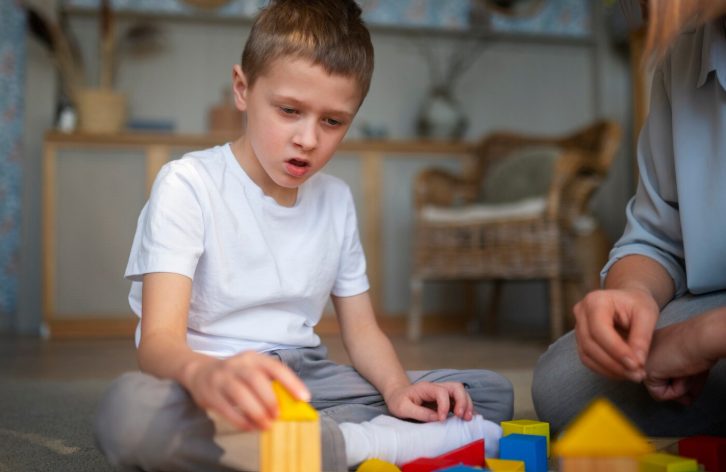
Teaching Daily Living Skills the ABA Way

Teaching Daily Living Skills the ABA Way: Task Analysis, Prompts, and Clear Behaviour Goals

By | Blog | No Comments

If you’ve ever stood outside a bathroom door talking your child through brushing their teeth for the fourth time this week, you already understand the problem better than any textbook could explain it. 

Daily living skills like brushing teeth, getting dressed, or washing hands look automatic once you’ve done them ten thousand times. 

For a child who’s still learning, they’re actually a dozen small skills stacked on top of each other, and skipping even one step can derail the whole routine.

This is exactly where ABA therapy earns its keep. Applied Behavior Analysis breaks big, overwhelming tasks into small, teachable pieces, and gives you a clear system for teaching each one. 

In this guide, we’ll walk through how task analysis works, the basic prompts a Behavioural therapist/ Behavioural Technician (Board Certified Behavior Analyst) uses to teach ADL skills, and how to write behaviour goals clear enough that anyone, a parent, a teacher, or a new therapist, can pick them up and know exactly what to do.

What Are ADL Skills, and Why Do They Matter So Much?

ADL stands for Activities of Daily Living, the everyday self-care tasks like brushing teeth, bathing, dressing, toileting, and feeding. ADL training might sound clinical, but the goal is simple: independence. 

A child who can wash their own hands, put on their own shoes, or brush their own hair carries that confidence into every part of their day, at home, at school, and eventually, out in the world without you standing next to them.

ADL skills also tend to be a gateway. Once a child masters one self-care routine using structured teaching, the next one is almost always easier, because they’ve learned how to learn. That’s the quiet magic behind consistent, early intervention therapy.

Wondering which ADL skills to prioritize first?  Schedule a free consultation with EAV.

Task Analysis: Breaking the Mountain Into Steps

Task analysis is the process of breaking a complex skill into small, sequential steps, so that instead of teaching “brush your teeth” as one giant instruction, you teach step one, then step two, then step three, until the whole chain runs smoothly. 

It is one of the most practical tools inside ABA therapy for teaching autism ADL skills, precisely because it turns an overwhelming task into a series of achievable wins.

Here’s what a task analysis for brushing teeth might actually look like, written out step by step:

  1. Walk to the sink.
  2. Pick up the toothbrush.
  3. Turn on the tap.
  4. Wet the toothbrush.
  5. Apply toothpaste.
  6. Brush the top teeth.
  7. Brush the bottom teeth.
  8. Rinse the mouth.
  9. Rinse the toothbrush.
  10. Turn off the tap.

Ten steps, not one instruction. Every step gets its own turn in the spotlight until your child can do it without help, and only then does the therapist move on to the next one. 

This is also where chaining comes in: forward chaining teaches step one first and adds steps in order, while backward chaining teaches the last step first, so your child always experiences the satisfaction of finishing the task. Both are valid, and a good behaviour analyst, such as those at EAV, chooses based on what motivates your child.

Basic Prompts: How Much Help Is the Right Amount?


Once a task is broken down, the next question is: how much support does my child need to complete each step? This is where prompting comes in, a core piece of how ABA therapy works day to day. A prompt is simply a cue that helps a child perform a step correctly, and prompts exist on a spectrum from “a lot of help” to “no help at all.”

Prompt Type What It Looks Like When to Use It
Physical prompt Hand-over-hand guidance, e.g. gently guiding the hand to hold the toothbrush. Brand-new skills, or when a child needs the most support to succeed.
Model prompt Demonstrating the step yourself, e.g. brushing your own teeth first. When a child can imitate but needs to see it done.
Gestural prompt Pointing at the toothbrush or tapping the sink. When a child knows the step but needs a nudge in the right direction.
Verbal prompt A short spoken cue, e.g. “pick up the toothbrush.” When a child needs a reminder, not physical help.
Visual prompt A picture card or step-by-step chart showing the sequence. Great for building independence and routine memory over time.
Independent No prompt at all. The child completes the step on their own. The goal for every single step, eventually.


The real skill here isn’t just knowing the prompt types, it’s prompt fading: systematically reducing support as your child gets more confident, so they’re not still getting hand-over-hand help with something they mastered months ago. Prompts that never fade quietly create dependence, which is the opposite of what good ABA therapy is trying to build. 

Positive reinforcement, a cheer, a sticker, extra playtime, gets paired with every successful step along the way, which is what keeps kids motivated through the repetition that skill-building requires.

Not sure which prompting level your child needs?  Talk to our consultant, free of charge.

Writing Clear, Measurable Behaviour Goals

Here’s where a lot of home programs quietly fall apart: vague goals. “Improve independence with brushing teeth” sounds nice, but it tells nobody what success actually looks like, not you, not the therapist, and not your child. 

A clear behaviour definition needs to be observable, measurable, and specific enough that two different people watching the same session would agree on whether the step happened.

Vague vs. Clear: See the Difference

  • Vague: “Child will get better at brushing teeth.”
  • Clear: “Given a verbal prompt, the child will independently complete 8 of 10 steps of the tooth-brushing task analysis, across 3 consecutive sessions.”

Notice the difference. The clear version names the prompt level, the exact number of steps, and the criteria for mastery. That’s what makes ABA progress monitoring meaningful. Without it, “progress” is just a feeling. 

With it, ABA therapy progress becomes a number on a graph that everyone, including you, can actually track session over session.

A good behaviour goal usually answers four questions: what exactly will the child do, under what condition or prompt level, how consistently, and by when. Skip any one of those four and the goal gets fuzzy fast.

Common Mistakes to Watch For

  • Teaching the whole routine at once instead of one step at a time, which overwhelms rather than builds confidence.
  • Prompting too much, for too long, without a fading plan, which quietly creates prompt dependence.
  • Skipping data collection, so nobody can say with confidence whether a step has actually been mastered.
  • Writing goals that are impossible to measure, like “be more independent,” instead of clear, observable behaviour definitions.
  • Inconsistency between home and therapy, using different steps or prompts in each setting, which confuses the child and slows generalization.

How Early Autism Ventures Can Help

Task analysis, prompting, and behaviour goal-writing sound straightforward on paper, but getting the sequencing, the prompt levels, and the data collection right for your specific child takes real clinical training. 

At Early Autism Ventures, every ADL training plan is designed by a BCBA, individualized to your child’s current skill level, and tracked with real ABA progress monitoring so you always know exactly where things stand, not just “he’s doing okay.”

Our centers in Bangalore and Hyderabad combine ABA therapy with occupational therapy for kids, so fine motor challenges that get in the way of buttons, zippers, or toothbrush grip are addressed alongside the behavioural teaching, not separately. 

If mealtime, bath time, or getting dressed in the morning feels like a daily negotiation at your house, you don’t have to figure this out alone.

Ready to build a real plan for daily living skills?  Book your free consultation with Early Autism Ventures today.

Sensory processing disorder

What Is SPD & How Sensory Therapy Can Change Everything

By | Blog | No Comments

Picture this: your child walks into a birthday party, hears the music, feels the crowd, smells the cake, and completely falls apart. Or maybe they’re the child who seeks every sensation: spinning endlessly, crashing into furniture, mouthing everything in sight. You’re not imagining things.

You’re not doing anything wrong. And your child is not being dramatic.

What you may be seeing is a nervous system that is working incredibly hard to make sense of a world that feels too much, or not enough. That’s Sensory Processing Disorder (SPD) in action, and it is far more common than most parents realize.

This blog breaks down what sensory integration actually means, how SPD shows up in children (especially those on the autism spectrum), and how sensory therapy, combined with the right support, can make everyday life dramatically more manageable.

And yes, we’ll tell you exactly how Early Autism Ventures fits into this picture. Buckle up.

What Is Sensory Integration, And Why Does it Matter?

Sensory integration is the brain’s ability to receive, organize, and respond to information coming in through the senses. Not just the five senses you learned in school, but eight. Yes, eight. In addition to sight, sound, smell, taste, and touch, the brain also processes:

  • Proprioception: the sense of where your body is in space (how hard to push, how high to jump)
  • Vestibular: the sense of balance and movement, seated in the inner ear
  • Interoception: the sense of internal body signals (hunger, thirst, pain, temperature, or needing the toilet)

When the brain processes all of these inputs smoothly, a child can pay attention in class, navigate a playground, tolerate a noisy lunch hall, and transition between activities without a meltdown. When it doesn’t, that’s where things get complicated.

The framework of sensory integration was pioneered by Dr. A. Jean Ayres, an occupational therapist and neuroscientist, in the 1970s. Her groundbreaking work, published in Sensory Integration and Learning Disorders (1972), laid the foundation for how we understand and treat sensory processing difficulties today.

So, What Exactly Is Sensory Processing Disorder (SPD)?


Sensory Processing Disorder (SPD) is a neurological condition in which the brain struggles to receive and respond to sensory information in a typical way. A child with SPD might be hypersensitive (over-responsive), hyposensitive (under-responsive), or a confusing combination of both, sometimes even within the same sensory system.

Think of it this way: for most people, background noise is just that, background. For a child with auditory hypersensitivity, a classroom fan might sound like a jet engine. For a child with tactile hyposensitivity, they may not feel pain the way others do and may seek intense physical input just to feel regulated.

SPD affects an estimated 1 in 6 children significantly enough to impact their daily lives – Psychology Today / UCSF Research

And for children on the autism spectrum? The numbers are staggering. Research consistently shows that between 90% and 95% of autistic children experience some form of sensory processing differences, making it one of the most universal yet underaddressed features of autism spectrum disorder.

The Three Faces of SPD

SPD doesn’t look the same in every child. It typically shows up in one of three ways:

  1. Sensory modulation disorder shows up when a child’s brain struggles to regulate the intensity of sensory input, so they might feel completely overwhelmed by sounds, textures, or lights that other children barely notice, or they might seem to crave more input than usual, constantly touching things, crashing into furniture, or seeking out loud noises. You will often see this child swing between covering their ears at a birthday party and spinning in circles until they get dizzy, because their nervous system is either over-responding or under-responding to the world around them.
  2. Sensory based postural disorder affects how a child controls their body and movements in response to sensory information, making everyday physical tasks like sitting upright, catching a ball, or climbing stairs feel unexpectedly difficult. Parents often describe their child as clumsy or low on energy, slouching at the dinner table or tiring quickly during play, when in reality their muscles and joints are not receiving and using sensory feedback the way they should.
  3. Sensory discrimination disorder is about accuracy rather than intensity, meaning the child can feel a sensation but has trouble figuring out exactly what it is or where it is coming from. A child with this type might struggle to tell the difference between a gentle tap and a firm one, have trouble locating which part of their body was touched, or find it hard to judge how much pressure to use when writing or buttoning a shirt, simply because their brain is not sorting sensory details with enough precision.

A 2024 study published in NeuroSci confirmed that children with neurodevelopmental disorders, including autism, ADHD, and developmental delays, showed significantly higher sensory processing difficulties compared to typically developing children across all sensory domains.

Want to know if your child shows signs of SPD? Schedule a FREE consultation with our expert team right away.

The Autism–SPD Connection: Why They So Often Go Hand in Hand

Sensory differences are now formally recognized in the DSM-5’s diagnostic criteria for Autism Spectrum Disorder (ASD), listed under restricted and repetitive behaviors. This means that sensory hypersensitivity or hyposensitivity is not just a side note in autism; it’s a core diagnostic feature.

Research from Frontiers in Integrative Neuroscience found that children with SPD show white matter pathway differences in sensory processing regions of the brain, meaning the neurological basis of SPD is real, measurable, and distinct from typical development. This is not a behavior problem. This is a brain wiring difference that deserves the same seriousness as any other diagnosis.

What does this look like at home?

It might be the child who has a full meltdown every morning over wearing socks. The child who can’t focus in class because the fluorescent lights are genuinely overwhelming. The child who refuses to eat anything beyond three specific foods, not out of stubbornness, but because the texture of everything else is unbearable.

When you understand sensory processing, the behavior stops looking like defiance and starts looking like what it actually is: communication. Your child is telling you something. The question is: how do we listen and respond effectively?

Over 90% of children with autism experience sensory processing differences across multiple sensory domains, including auditory, tactile, visual, and vestibular systems.

What Is Sensory Therapy, And How Does It Actually Help?

Sensory therapy, also known as Sensory Integration Therapy (SIT) or Ayres Sensory Integration® (ASI), is a specialized intervention typically delivered by trained Occupational Therapists (OTs). It uses structured, play-based activities to challenge the nervous system in just the right way, enough to promote growth, not so much as to overwhelm.

In a sensory therapy session, you might see a child swinging on a platform swing, crawling through tunnels, jumping into a ball pit, or pressing their palms into textured surfaces. It doesn’t look like ‘therapy’ in the traditional sense, and that’s entirely the point. The nervous system learns best when it’s engaged, safe, and not dreading what comes next.

A systematic review published in MDPI Children (2024) found that sensory integration intervention in children with ASD meets the criteria to be considered an evidence-based practice, with improvements in motor, visual-motor, and occupational performance skills. The intervention group also showed significant improvements in all domains assessed by the Short Child Occupational Profile.

What Sensory Therapy Targets

  • Tactile processing: Tolerance for touch, textures, clothing, and grooming routines
  • Vestibular regulation: Balance, coordination, and ability to handle movement without distress
  • Proprioceptive input: Body awareness, motor planning, and self-regulation
  • Auditory processing: Filtering background noise, following verbal instructions, and tolerating loud environments
  • Visual processing: Managing busy visual environments, tracking, and spatial awareness
  • Emotional regulation: Reducing meltdowns, increasing frustration tolerance, and improving transitions

And crucially, sensory therapy doesn’t stop at the clinic. At Early Autism Ventures (EAV), our occupational therapists build what’s called a sensory diet, a personalized plan of sensory activities your child can use throughout the day at home, school, and in the community. Think of it as nutrition, but for the nervous system.

Curious what a sensory diet looks like for your child? Book a free consultation with EAV today.

Where ABA Therapy and Sensory Integration Meet

Here’s something many parents don’t realise: sensory therapy and ABA therapy are not competing approaches. They are profoundly complementary, and when delivered together, their impact multiplies.

ABA therapy (Applied Behavior Analysis), overseen by a BCBA (Board Certified Behavior Analyst), uses the science of behavior to teach new skills and reduce challenging behaviors. A core principle is positive reinforcement, reinforcing desired behaviors so they occur more often.

When sensory needs are unmet, challenging behaviors increase. When sensory therapy helps a child become more regulated, ABA therapy becomes far more effective.

Consider a child who bites their hand during demanding tasks. This might look like a behavior problem, but a sensory lens reveals it as proprioceptive seeking: the child’s nervous system needs deep pressure input to self-regulate.

Address the sensory need through OT, and the biting decreases. Then, ABA therapy uses positive reinforcement to build replacement behaviors, teaching the child to ask for a chew toy, a squeeze break, or a sensory activity instead.

The combined approach also supports ABA therapy progress more broadly. When a child is dysregulated due to sensory overload, learning is simply not happening. A settled nervous system is a learning nervous system. That’s why at EAV, our BCBAs, QBAs, and OTs work as a coordinated team, sharing data, aligning goals, and ensuring ABA progress monitoring reflects the whole child, not just isolated behaviors.

Research from the NIH confirms that intensive, early ABA therapy benefits include meaningful improvements in adaptive behavior, communication, and daily living skills, all areas that are directly supported by sensory regulation.

Want to learn how EAV integrates ABA and OT for your child? Speak to our team, it’s free!

Signs of Sensory Processing Difficulties Parents Often Miss

Not all sensory processing challenges announce themselves loudly. Some are subtle and easy to chalk up to personality, stubbornness, or ‘just a phase.’ Here are signs worth paying attention to:

  • Extreme distress at haircuts, nail trimming, or face washing
  • Gagging at food textures that other children eat without issue
  • Difficulty in tolerating seams, labels, or tight clothing
  • Covering ears at sounds most people don’t even notice
  • Appearing unaware of pain, cold, or heat
  • Constantly seeking intense movement: spinning, crashing, jumping off furniture
  • Difficulty settling down after activity, wired but exhausted
  • Seeming ‘clumsy’ or poorly coordinated, bumping into walls, dropping things
  • Meltdowns specifically around transitions, crowds, or unpredictable sensory environments

If several of these feel familiar, it may be worth discussing a sensory assessment with a trained occupational therapist. Early identification means earlier support, and research shows that children who receive sensory integration-based OT in childhood show better sensory regulation as adults.

How Early Autism Ventures Supports Sensory Integration

At Early Autism Ventures (EAV), our multidisciplinary team includes occupational therapists trained in Ayres Sensory Integration®, speech-language pathologists, QBAs, and BCBAs who collaborate closely to ensure each child’s sensory profile informs their entire therapy plan. Here’s what that looks like in practice:

  • Comprehensive sensory assessments: We start by understanding your child’s unique sensory profile: what overwhelms them, what regulates them, and what they seek. No guesswork.
  • Individualized sensory diets: We design a daily sensory plan your child can follow at home, in school, and in the community, practical, parent-friendly, and based on your child’s real life.
  • Integrated ABA and OT sessions: Our BCBAs and OTs coordinate goals. ABA therapy progress monitoring includes sensory milestones, so nothing gets missed.
  • Parent training: We teach you how to identify your child’s sensory triggers, how to set up a sensory-supportive home environment, and how to respond to meltdowns with the right input, not just distraction.

We’ve watched children who refused to enter a classroom walk into school confidently. We’ve seen children who screamed at haircuts sit through one calmly. None of this happens by accident. It happens through careful, evidence-based, joyful therapy, and through parents who showed up every day.

The Bottom Line: Your Child’s Sensory World Deserves to Be Understood

Sensory Processing Disorder is not a parenting failure. It is not a character flaw. It is a neurological difference, and like all neurological differences, it responds to the right support.

Understanding sensory integration means understanding your child more deeply. It means knowing why they melt down at the mall, why certain foods are genuinely intolerable, why spinning isn’t misbehavior, it’s self-regulation. That understanding changes everything: how you respond, how you support, and how your child grows.

With the right team, occupational therapists, BCBAs, and speech-language pathologists working together, sensory challenges become manageable. Play becomes therapeutic. Daily routines become smoother. And your child becomes more confident navigating a world that once felt overwhelming.

That’s not a dream. That’s what good, integrated early intervention does. And it’s available right here.

Every child’s nervous system tells a story. Let our team at EAV help you read it and write a better chapter together. Book your free consultation today, because the earlier you understand, the more you can do.

Why play is your childs most important subject and how to use it

Why Play Is Your Child’s Most Important ‘Subject’ and How to Use It

By | Blog | No Comments

Let’s be honest for a second. When your child is busy building a tower of blocks, crashing toy cars into each other, or lining up every stuffed animal in the house with military precision, it might not look like learning. But here’s the thing: it absolutely, 100%, scientifically is.

Play is not a break from learning. Play is the learning. And for children with autism, understanding this can be genuinely life-changing.

Play Is the Original Classroom (And It Always Has Been)

Long before worksheets, flashcards, or “circle time,” humans learned by playing. Research from UNICEF confirms that play is central to children’s cognitive, social, emotional, and physical development. For neurotypical children, play comes naturally. For children with autism, intentional, structured play becomes even more powerful, particularly when it’s supported by evidence-based approaches.

Here’s what the science tells us: a landmark study published found that play-based learning leads to better outcomes in language, social skills, and executive function than direct instruction alone. Translation? Your child needs to play. It’s literally their job.

And when a BCBA (Board Certified Behavior Analyst) steps in to guide that play with intention and strategy, the results can be extraordinary.

So, What Exactly Does “Play Skills” Mean?

Play skills refer to a child’s ability to engage with toys, people, and environments in purposeful, meaningful ways. This includes everything from simple cause-and-effect toys (push a button, music plays, thrilling every time) to collaborative pretend play with peers.

For children with autism, developing play skills often requires explicit teaching. Many children on the spectrum may struggle with:

  • Imitation: the foundation of all play-based learning
  • Functional play: using toys the way they’re supposed to be used
  • Symbolic or pretend play: where a banana becomes a telephone (classic)
  • Social play: taking turns, sharing, and engaging with others

These aren’t just “fun” milestones. They’re building blocks for language development, emotional regulation, academic readiness, and social connection. The American Academy of Pediatrics calls play “essential to development”, and we couldn’t agree more.

Wondering whether your child’s play skills are on track? Book a free developmental consultation with EAV today.

Why ABA Therapy and Play Are a Dream Team

This is where things get exciting. ABA therapy, or Applied Behavior Analysis, is one of the most researched and effective interventions for children with autism. And when it’s used to teach play skills, it becomes genuinely magical.

So how does ABA therapy work in a play context? A BCBA designs a customized program that breaks play skills into small, teachable steps. For example, “pretend play” doesn’t just happen; it’s built, piece by piece, through structured practice, modeling, and consistent feedback.

Two pillars of ABA therapy benefits in play-based learning are positive reinforcement and thoughtful use of positive and negative reinforcement in ABA therapy. Positive reinforcement means that when your child does something great, picks up a toy, hands it to a peer, or makes eye contact during play, they receive something meaningful to them: praise, a high five, or a preferred activity. This increases the likelihood they’ll do it again.

Positive and negative reinforcement in ABA therapy are both tools in the BCBA’s toolkit. Negative reinforcement (which is not punishment, let’s bust that myth right now) involves removing something unpleasant when a desired behavior occurs.

For example, reducing the demand level when a child successfully engages in a new play activity. Both strategies work together to create a supportive, motivating environment where learning through play genuinely thrives.

Research from the National Institutes of Health confirms that ABA therapy benefits extend well beyond behavior management; they include significant gains in communication, social interaction, and adaptive skills. All of which begins on the playroom floor.

The “Job of the Child” Principle, And Why It Should Excite You

Developmental psychologist Jean Piaget famously said that play is the work of childhood. He wasn’t being poetic. He was being precise.

When a child plays, their brain is doing something extraordinary. Neural pathways are forming. Language is being wired. Problem-solving circuits are activating. Social understanding is developing. All of this happens when a child is seemingly just “messing around.”

For children with autism, harnessing this natural drive to play and giving it direction and structure through autism ABA therapy, is one of the most powerful things we can do. Instead of fighting what a child naturally wants to do (play), we use it as the vehicle for teaching everything else.

Here’s a real-life scenario: A child who loves trains (you know the type, encyclopedic knowledge of every line in Hyderabad) can learn requesting language, turn-taking, and categorization, all through a 20-minute train play session designed by a BCBA. The child thinks they’re just playing trains. The BCBA knows they’re building foundational skills for school and social life.

That’s the magic of play-based ABA therapy.

How EAV Brings Play-Based Learning to Life

early autism ventures bangalore best autism treatment centreAt Early Autism Ventures (EAV), play isn’t an afterthought; it’s the entire philosophy.

Our BCBAs and therapists design individualized, play-based ABA therapy programs that meet each child exactly where they are. We don’t believe in a one-size-fits-all approach because, well, no two children are the same. (Thankfully. The world would be a very boring place.)

Here’s what sets EAV apart:

  • Structured play observations: We conduct multi-level assessments to understand exactly how your child currently plays and what the next developmental step looks like.
  • Parent training: Because you spend the most time with your child, we make sure you know how to use play as a teaching tool at home. No extra cost. No separate appointment.
  • ABA therapy progress monitoring: Every session is tracked. Every milestone is recorded. ABA progress monitoring means you always know exactly where your child is and where they’re going. Transparency isn’t just a value at EAV, it’s a practice.

What Does ABA Therapy Progress in Play Actually Look Like?

Child Development ABA Therapy

Parents often ask us: “How will I know if ABA therapy is working?” It’s a fair question, and it deserves a real answer.

ABA therapy progress in play-based learning looks like this:

  • Your child starts requesting preferred toys instead of grabbing or melting down
  • They begin imitating actions during play, stacking blocks the way a peer does
  • They tolerate turn-taking for longer and longer periods
  • They start to engage in functional play, feeding a doll, cooking in a play kitchen, and fixing toy cars
  • Eventually, they move toward symbolic play, pretending a box is a spaceship, because their imagination is blooming

ABA progress monitoring ensures none of these steps go unnoticed. At EAV, we use data-driven tracking systems that give you a clear, visual picture of your child’s journey. Because every step forward, however small, is worth celebrating loudly.

Studies published in the Journal of Autism and Developmental Disorders consistently show that early, intensive autism ABA therapy leads to measurable, lasting improvements in play, language, and social skills. The earlier the intervention, the stronger the outcome.

Ready to see real progress? Request your free ABA therapy assessment at EAV.

Simple Ways to Use Play as a Teaching Tool at Home

You don’t need a therapy room to support your child’s play skills. Here are a few research-backed, BCBA-approved strategies you can try right now:

  1. Follow Their Lead

Let your child choose the activity. Your job is to join in and slowly expand the play, add a new character, introduce a new step, and offer a choice.

  1. Narrate the Play

Talk through what’s happening as you play. “The truck is going fast! Now it’s going slow.” This builds language naturally and without pressure.

  1. Use Positive Reinforcement

When your child engages in a new play behavior, clap, cheer, or give them something they love. Make it feel like the best thing that happened all day (because it is). This is positive reinforcement in its most natural, joyful form.

  1. Create Predictable Play Routines

Children with autism often thrive on predictability. A “playtime routine”, same toys, same sequence, same place, builds comfort and gradually allows for new skills to be introduced.

  1. Imitate Your Child First

Before teaching your child to imitate you, try imitating them. Mirror their actions, their sounds, their play. This builds connection and sets the stage for reciprocal interaction.

These strategies align closely with how does ABA therapy work in everyday contexts, using the child’s natural environment and motivation to drive skill development.

The Bottom Line: Play Is Never “Just Play”

Every block your child stacks, every pretend tea party they host, every game of chase, these are classrooms. They are opportunities. They are, in the truest sense, how your child learns to navigate the world.

For children with autism, play-based learning supported by autism ABA therapy gives those moments even more power. It turns “just playing” into intentional, joyful, measurable growth.

At Early Autism Ventures, we believe every child deserves to play, grow, and thrive, and we’re here to make sure that happens.

We’ve seen children who barely engaged with toys transform into creative, communicative, confident kids. We’ve watched families go from overwhelmed to empowered.

And we’re ready to do the same for yours.

Don’t wait to see what your child is capable of. Every day is a new opportunity to learn, connect, and grow, and with the right support, the possibilities are extraordinary.

Book your FREE consultation with EAV today, because your child’s journey starts with one conversation.

Parents’ Guide to ASD & Mental Health

Navigating Co-occurring Conditions: Parents’ Guide to ASD & Mental Health

By | Blog | No Comments

Let’s be honest. When raising a child with autism spectrum disorder (ASD), navigating co-occurring mental health conditions can get overwhelming. Many parents aren’t prepared to confront the challenges of managing autism alongside other conditions such as anxiety, ADHD, or depression.

Understanding these co-occurring conditions can feel like a lot—how do you even begin to address the unique combination of needs your child might have? The good news is that with the right approach and support, progress is possible.

Research has shown that early and targeted intervention improves outcomes significantly for children with ASD and co-occurring conditions. Studies indicate that children who receive early intervention demonstrate not only improvement in ASD symptoms but also increased adaptive functioning in other areas of health and development (National Institutes of Health).

And with evidence-based strategies like Applied Behavior Analysis (ABA), countless families have seen real improvements, not only with autism but also in managing related mental health challenges.

Imagine your child feeling more comfortable, more confident, and better equipped to handle daily situations—isn’t that amazing?

The Link Between Autism and Co-occurring Mental Health Conditions

autism children guide

Recent studies show that up to 70% of children with ASD experience at least one mental health condition, and 40% experience two or more. Anxiety, ADHD, and depression are among the most commonly observed, though OCD and mood disorders are also prevalent.

While the overlap between autism and these conditions can make diagnosis and treatment more complex, it also opens doors to tailored strategies that address your child’s unique needs.

Now, let’s find out how!

Understanding Co-occurring Conditions in ASD: Key Insights and Effective Strategies

The term ‘co-occurring conditions’ refers to when two or more mental health disorders or developmental conditions happen simultaneously. For parents, it’s crucial to understand that symptoms of autism, such as social challenges, sensory sensitivities, and communication difficulties, can intersect with other conditions, creating unique manifestations that require specialized support.

Here are some of the most common mental health conditions seen alongside ASD:

Anxiety Disorders: Many children with ASD experience heightened anxiety, which can show up in various forms, like social anxiety, separation anxiety, or general worry. Imagine your child avoiding group activities or clinging to you before school. It’s not just shyness—it’s an overwhelming fear of certain situations, and it’s incredibly common.

In fact, the research shows that about 40% of children with ASD also experience some form of anxiety. For these kids, everyday situations can feel intense, and recognizing these anxieties early can be the first step in helping them feel more comfortable and confident.

Attention-Deficit/Hyperactivity Disorder (ADHD): For some children, ASD can go hand-in-hand with ADHD, affecting about 28-44% of people with autism. However, some studies suggest that the co-occurrence rate may be as high as 70%. ADHD symptoms like impulsivity, trouble focusing, or hyperactivity can add another layer of challenge.

If you find your child struggling to sit still, focus on a task, or manage impulsive actions, these may be signs of ADHD at work. Think about a scenario where your child interrupts conversations or has difficulty waiting their turn—these can make social interactions even tougher for a child with ASD.

Depression: As children with ASD enter adolescence, many become more aware of social differences, which can sometimes lead to depression. The challenges of fitting in and connecting with peers can weigh heavily, especially as they grow older.

A recent study found that individuals with autism spectrum disorder (ASD) are about four times more likely to experience depression compared to the general population when age groups are combined. Imagine your once-curious child losing interest in activities they used to enjoy or seeming withdrawn—these changes can be signs of underlying sadness or low self-esteem, and recognizing them early can help you support them.

Obsessive-Compulsive Disorder (OCD): OCD can be particularly tricky to identify in children with ASD, as it can look similar to the repetitive behaviors common with autism. However, with OCD, children may experience intrusive thoughts and feel compelled to perform specific actions to relieve their anxiety.

For instance, a child might feel they must wash their hands repeatedly to feel safe or rearrange objects until they feel just right. This need to perform rituals can interfere significantly with daily life, and distinguishing OCD from typical repetitive behaviors in ASD can help find the right strategies for support.

In essence, each of these conditions presents unique challenges, and understanding how they interact with autism is key to helping your child navigate them successfully.

How ABA Therapy Helps Address Co-occurring Conditions

How ABA Therapy Helps Address Co-occurring Conditions

ABA, or Applied Behavior Analysis, is a powerful and evidence-based approach widely recommended for ASD. While often recognized for its success in improving communication, social skills, and adaptive behaviors, ABA can also help with co-occurring conditions by providing structured and individualized support.

Here’s how ABA benefits children with ASD and co-occurring conditions:

Behavioral Management: ABA equips children with strategies to cope with anxiety, ADHD, and OCD. For example, if a child struggles with anxiety, ABA can help with calming techniques and structured responses to challenging situations.

Improved Social Skills: ABA can also address the social challenges common to both autism and ADHD, offering structured learning opportunities for social interaction, attention control, and flexibility.

Adaptive Strategies: Children learn functional skills, like organization and emotional regulation, that assist in managing symptoms of depression and anxiety. These coping mechanisms encourage positive self-expression and prevent escalation during challenging situations.

Early intervention in co-occurring conditions is vital. Research shows that children who receive ABA therapy early in life exhibit more improvement in symptoms and higher adaptive functioning, creating a positive trajectory for the future (Source).

How Can I Support My Child with ASD and Co-occurring Mental Health Conditions?

Parenting a child with ASD and co-occurring conditions requires an understanding of both autism and mental health management. Here are some effective strategies:

  • Seek Multidisciplinary Care: Taking a holistic approach can make a huge difference for your child. Working with a team of specialists—like a pediatrician, psychologist, and ABA therapist—ensures that every aspect of your child’s health and development is covered. Each professional brings a unique perspective, helping to create a well-rounded plan that addresses their specific needs. For example, while a psychologist might help your child develop emotional regulation techniques, an ABA therapist could focus on improving social and communication skills in a structured, supportive way.
  • Use Positive Reinforcement: Positive reinforcement is a core principle in ABA therapy, and it’s incredibly effective for building desired behaviors. This can also be applied at home! Celebrate small wins, like your child trying new food, engaging in play with a peer, or using words to express their feelings. For instance, if your child sits calmly at the dinner table, praise them and offer a small reward. These positive moments encourage them to repeat the behavior, helping to reinforce growth and confidence.
  • Promote Consistency: Children with ASD often find comfort in routines. Creating a stable daily schedule with predictable activities can ease their anxiety and help them feel secure. Think about how your child might feel if every day starts with breakfast, followed by a favorite activity before school. That predictable routine gives them a sense of control and can prevent meltdowns or overwhelm when transitioning between activities.
  • Educate Yourself and Build Support Networks: Knowledge truly is empowering. By understanding your child’s specific symptoms, triggers, and effective strategies, you become a stronger advocate for them. Connecting with other parents through autism support groups or organizations can be especially helpful—they provide resources, advice, and a sense of community that reminds you you’re not alone in this journey.
  •  Incorporate Self-care and Emotional Regulation Tools: Teaching self-soothing strategies, such as deep breathing, mindfulness, or physical exercise, can help your child manage anxiety or impulsivity. For example, practicing a simple breathing exercise together can give your child a tool to use when they feel overwhelmed. These tools not only offer a sense of calm but also empower them with skills for self-regulation over time.

Managing ASD and co-occurring conditions is challenging, but you don’t have to face it alone. At Early Autism Ventures (EAV), we are here to provide the support, expertise, and resources you need to help your child thrive. If you’re ready to start a journey toward positive growth, resilience, and lifelong learning, reach out to us today!

At Early Autism Ventures (EAV), we understand the complexities of managing ASD alongside other mental health conditions. We offer ABA therapy customized to your child’s needs, focusing not only on core ASD symptoms but also on co-occurring mental health conditions.

Schedule a FREE consultation with our experts to discuss how EAV can create a brighter future for your child. 

Autism and Bullying

Autism and Bullying: Effective Approaches to Prevention & Support

By | Blog | No Comments

As a parent or caregiver of a child with autism, you’re already a champion, navigating through a world that often doesn’t understand the unique beauty of your child. However, there’s a challenge many parents face that can feel overwhelming: bullying.

Children on the autism spectrum are more likely to face bullying than their neurotypical peers. This can be heart-wrenching, but with the right strategies, we can make schools, communities, and homes a safe space for our little ones!

But how do we start? How can we support our children to stand tall in the face of bullying?

Understanding Bullying and Autism: What’s Really Going On?

According to a 2018 study, ‘Adverse Childhood Experiences in Children with Autism Spectrum Disorder’, children with autism are three times more likely to be bullied than their peers. Why? Social differences, for instance, play a big role. Children with autism often struggle with interpreting social cues, which can make them more vulnerable to bullying or harassment.

Whether it’s misunderstanding a joke, difficulty grasping social conventions, misinterpreting the intentions of others, taking comments or actions too literally, struggling to join peer groups, or not knowing how to respond in a social situation, these differences can, unfortunately, make them a target.

But here’s where the silver lining shines through: as caregivers, we can take steps to both prevent bullying and empower our children to deal with it. Understanding the root cause is the first step, and the next is implementing strategies that will truly make a difference.

The Power of Education: Spreading Awareness

The Power of Education Spreading Awareness Autism Bullying

One of the most effective ways to prevent bullying is by creating an inclusive and understanding environment. Schools and communities need to be educated about autism; when peers understand what autism is—and what it isn’t—they are less likely to bully and more likely to offer support. Programs like autism awareness weeks or classroom talks can help shed light on the spectrum of behaviors associated with autism.

However, it’s natural to wonder, can awareness and education really make that much of a difference?

Research says yes!

A recent study found that inclusive education programs that teach children about differences lead to a reduction in bullying behaviors. Schools and communities that foster empathy create environments where all children, regardless of ability, can feel safe and valued.

Communication is Key: Encourage Open Dialogue

Are you worried that your child is being bullied? Sometimes, children on the autism spectrum may not fully grasp that they’re being bullied, especially if it’s verbal or relational bullying. And that’s exactly why it’s crucial to create a safe space for open communication.

Start with gentle questions. “How was your day?” or “Did anything happen at school that made you feel uncomfortable?” can be great conversation starters. Be patient, and give them time to respond. If your child has difficulties with verbal communication, try using visual aids or social stories to help them express their feelings. Encouraging this open dialogue helps children feel secure in sharing difficult experiences!

Build Social Skills: Empower Your Child

While education and communication are essential, empowering your child is just as critical. Social skills training is an excellent tool that can help children on the spectrum navigate tricky social situations, and even prevent bullying from happening in the first place.

Social skills groups, often run by schools or therapists as well as autism care centers like Early Autism Ventures (EAV), teach children how to interpret social cues, make friends, and respond to bullies. In fact, a 2015 study found that supportive and positive classroom and school cultures at the social environment level are linked to a reduction in bullying behavior.

Think of it this way: by guiding your child on how to handle unkind behavior, you’re not just helping to prevent bullying—you’re empowering them with valuable life skills that will benefit them for years to come.

Partner with Your Child’s School: Building a United Front

How well does your child’s educational institution handle bullying? Schools play a vital role in preventing and addressing bullying, especially for children with autism, who may be more vulnerable. So, don’t be afraid to advocate for your child’s needs.

Most schools, even institutions for children with special needs, are required to have anti-bullying policies in place, but that doesn’t mean they’re always effective. This is exactly why it’s important to work closely with teachers, counselors, and school administrators to ensure that your child is being supported.

Ask the school about their bullying prevention strategies. Are teachers trained to spot bullying? Do they have a zero-tolerance policy in place? When everyone—teachers, administrators, and parents—works together, the likelihood of bullying decreases dramatically.

If you feel like your concerns aren’t being taken seriously, don’t hesitate to escalate the issue. Every child has the right to feel safe at school!

Provide Emotional Support: Helping Your Child Heal

Sometimes, despite our best efforts, bullying may still occur. How can we support children who’ve been bullied? It’s heartbreaking to see your child hurt, but know that with the right care, they can recover. Focus on building their self-esteem and reassuring them that being different is something to celebrate.

Encouraging hobbies and interests is a great way to boost confidence. Whether it’s art, music, or robotics, finding activities where your child excels can help them feel more confident in who they are. Emotional support is also essential. Let them know you’re there for them unconditionally.

Professional counseling can also make a world of difference. If your child has been deeply affected by bullying, a therapist with experience in autism can help them process their feelings and develop strategies for coping.

At Early Autism Ventures (EAV), we specialize in Applied Behavior Analysis (ABA) and Cognitive Behavioral Therapy (CBT)—both evidence-based approaches that can be highly effective in addressing bullying behaviors and their impact.

Our expertise in these therapies allows us to provide targeted support that helps children develop the social and emotional skills needed to overcome challenges related to bullying.

  • ABA is widely recognized for its ability to improve social skills and behavior, making it particularly useful for children who may struggle with interpersonal interactions. By focusing on positive reinforcement and behavior modification, ABA can help children better understand appropriate responses to bullying and develop healthier ways of interacting with peers.
  • CBT is also strongly supported by research and is especially effective in helping children manage the emotional impact of bullying. CBT teaches children how to identify and reframe negative thoughts, build resilience, and develop effective coping strategies. It empowers them to address bullying by changing how they think about and respond to such situations, reducing feelings of anxiety and helplessness.

Both approaches are grounded in extensive research, and when applied to bullying prevention and intervention, they can help children develop the confidence and skills needed to navigate challenging social dynamics and reduce bullying incidents.

Early Autism VenturesAnd you don’t have to do this alone—Early Autism Ventures (EAV) is here to support you and your child. At EAV, we focus on encouraging open communication, building essential social skills, and making the most of evidence-based therapies like Applied Behavior Analysis (ABA) and Cognitive Behavioral Therapy (CBT), all while working closely with families to create a safe and supportive environment.

With the right tools, education, and the dedicated support from our experienced team at EAV, we can empower your child to stand tall, be proud of who they are, and confidently face any challenge that comes their way.

Ready to take the next step in supporting your child? Reach out to us at Early Autism Ventures (EAV) today—our team is here to help your child thrive! Request a FREE consultation.

Contact us now to get started: +91 8929153820

Effective Speech & Language Therapy for Children with ASD

Effective Speech & Language Therapy for Children with ASD: What to Expect

By | Blog

Speech and language therapy plays a crucial role in the holistic development of children with Autism Spectrum Disorder (ASD). It not only enhances overall communication but also improves social skills, enabling better adaptation to society and functioning in day-to-day life. Concerning the importance of early intervention for optimal outcomes, it is highly advisable to initiate therapy targeting speech and overall communication as soon as the diagnosis is made or a deficit is observed.

Speech and language therapy also addresses challenges related to language & communication, offering valuable support to children in improving both verbal and nonverbal aspects of their social communication – in essence, the primary objective of this evidence-based approach is to enhance the child’s ability to communicate in more practical and efficient ways.

Nurturing Voices: A Guide to Effective Speech & Language Therapy for Children with ASD

Speech Therapy ASD

Many children with ASD face challenges in grasping the meaning and rhythm of words and sentences. Additionally, they may also struggle to comprehend body language and the nuances of various vocal tones. Collectively, these difficulties impact the capacity of children with ASD to engage with others, particularly within their own age group.

Tailored Approaches: No two children with ASD are the same, and that’s the beauty of their uniqueness. A good speech therapist, especially those at Early Autism Services, understands this implicitly. Expect a personalized approach that caters to your child’s specific needs and strengths and taps into their individual capabilities. Personalized therapy also ensures that your child’s journey is tailored just for them, which further instills a sense of comfort and security.

Communication Breakthroughs: Therapy focusing on the production of speech and overall increase in communication  is a journey, not a sprint. Celebrate the small victories, whether it’s a new word, a sign, or improved eye contact. Each breakthrough is a testament to your child’s progress, and it is these little triumphs that pave the way for bigger accomplishments! Remember, the path to communication breakthroughs is unique for every child, and progress may unfold in surprising ways. For example, some children might even excel in non-verbal communication, such as gestures or visual aids, showcasing their distinct strengths. Embrace these diverse forms of expression, and trust that every step is a building block toward more significant strides.

Patience and Perseverance: As parents and caregivers of children on the spectrum, you already know and understand that some days may be more challenging than the others. Progress might seem slow, and frustrations can run high. But remember, each child blooms at their own pace. Trust the process, and be patient. It’s in these moments of perseverance that you’ll witness the resilience of your child and the power of effective therapy.

Embracing Technology: In a rapidly developing digital age, technology has become an invaluable tool in therapy. Interactive apps and games can make learning enjoyable and engaging for your child. These tech-savvy resources can offer diverse activities, from language development exercises to social interaction simulations, ensuring a well-rounded and dynamic approach to your child’s growth. Additionally, aim to stay involved in your child’s screen time, using it as an opportunity for bonding and shared exploration. Also, make the most of these tools and create an environment where learning is not just educational but a fun experience, too!

Family involvement in children with autism

Family Involvement: Your participation and contribution is crucial. An adept therapist (trained in Verbal Behaviour and/or Speech Therapy) will not only work with your child but will also guide you on how to support their development at home. Incorporate those therapy techniques into your daily routine, and watch how ordinary moments turn into opportunities for growth. As you actively participate in your child’s therapy, remember that your love and encouragement are powerful catalysts, creating a nurturing environment where they feel supported, valued, and inspired to continue developing their communication skills.

In Closing –

At Early Autism Services (EAS), we have had the privilege of witnessing countless success stories where children, once presumed to be non-verbal, have found their voices through effective use of therapy focusing on increasing overall communication including speech. It’s stories like these that fuel our passion for what we do, and we’re confident that you, too, will experience the joy of your child’s developing communication skills.

So, get in touch with our autism care experts now or schedule a free consultation call at +91 8929153820. This way, we will be better equipped to address all your needs!

Sleep challenges for autistic children

Autism and Sleep Challenges in Children: 7 Tips for a Restful Night

By | Blog

Sleep problems are a significant concern observed in children with autism  spectrum disorder (ASD) and impact various aspects of their lives. These challenges may affect social interactions, daily routines, and academic performance, while also contributing to increased stress for parents.

Research indicates that approximately two-thirds of children with ASD experience chronic insomnia.

Children with autism may experience difficulty falling asleep or waking up in the middle of the night due to heightened sensitivity to external stimuli like touch or sound. Unlike most children who remain undisturbed when a door is opened, or the covers are adjusted, children with  ASD may be light sleepers.  Another study also discovered that children on the autism spectrum who struggle with sleep tend to be more hyperactive and easily distracted compared to those who sleep well.

In this regard, some of the most effective strategies to promote better sleep include sleep education, making changes in the sleeping environment, implementing behavioral interventions, and, in some cases, providing supplements prescribed by a professional, as well.

How Can I Help My Child with Autism Sleep Better?

How can I make my autistic child sleep better

Addressing sleep issues in children on the autism spectrum can be relatively simple; establishing a bedtime routine or modifying bedroom conditions, like adjusting temperature and lighting, can help a great deal. Consistently adhering to set bedtimes and wake times also helps regulate their body’s internal clock, making sleep more predictable and reliable. Besides, children with autism who get back on a regular sleeping schedule may be able to learn better, are less irritable, and demonstrate relatively fewer challenging behaviors.

On that note, let’s take a look at some simple and easily-implementable steps to ensure that your child gets a good night’s sleep –

  • Comfortable Sleep Environment: Create a comfortable sleep environment with a cozy mattress, soft bedding, and suitable room temperature. You can also minimize noise and light disturbances to promote better sleep. However, remember to adjust the sleep setting in a way that is sensory-friendly, considering your child’s sensory preferences and sensitivities. Here, soft textures and weighted blankets can help provide a sense of comfort and ease.
  • Consistent Bedtime Routine: As mentioned earlier, establishing a regular bedtime routine can play an essential role in improving your child’s sleep. The routine may include calming activities like reading or gentle music, which can help signal to your child that it’s time to relax, wind down, and sleep. Incorporating calming elements like a warm bath or soothing music into the pre-sleep routine can also help your child relax and prepare for sleep.
  • Limit Screen Time: Reduce screen time before bedtime, as the blue light from screens can interfere with sleep. Moreover, your child can greatly benefit from establishing a no-screen rule at least an hour before bedtime. This practice can create a calming pre-sleep routine, allowing their mind to unwind and enhancing the quality of their sleep, as well. It’s also an opportunity for bonding through bedtime stories, quiet activities, or relaxing conversations, making bedtime a cherished part of your daily routine.
  • Physical Activity: Encourage physical activity during the day, as it can help your child expend energy, making it easier for them to fall asleep at night. However, avoid vigorous exercise close to bedtime as it may lead to disturbed sleep patterns. Consider engaging in fun, low-impact activities like a calming pre-sleep yoga session or a leisurely evening walk together, setting the stage for a peaceful night’s rest.
  • Diet Considerations: Be mindful of your child’s diet, especially in the evenings. Limit caffeine and sugary foods close to bedtime, and ensure they have a light, balanced dinner, while avoiding heavy or spicy foods that may cause discomfort. Creating a soothing evening mealtime routine can make this a pleasant family experience, allowing your child to associate dinner with relaxation and preparing for a restful night’s sleep. Remember, a well-nourished body is better prepared for a peaceful night of good, uninterrupted sleep!
  •   Limit Daytime Naps: While some children benefit from short naps, excessive daytime napping can interfere with nighttime sleep. Ensure that naps during the day are not too long or too close to bedtime. Instead, encourage daytime activities that engage your child and expend their energy, thus reducing the need for long naps.
  • Communication: Establish a simple communication system with your child to understand their needs during the night. Use visuals or simple gestures to enable them to communicate their needs or discomfort, if any. This thoughtful approach can not only provide comfort but also foster a sense of independence and security in your child, making bedtime a more positive experience for parents and children alike.

These steps, tailored to your child’s specific needs, can help promote better sleep and improve their overall well-being. However, if sleep issues still persist, make sure that you consult your healthcare professional, since they can provide personalized guidance and solutions as per your little one’s unique requirements.

In our commitment to providing the best care for children with autism, we at Early Autism Services (EAS) understand the unique challenges and opportunities that each child presents. Our personalized and solution-oriented approach focuses on nurturing their strengths and fostering a safe and enriching environment. We believe that every child has immense potential, and our dedicated team of experts is here to guide them every step of the way.

To connect with one of our experienced clinicians, reach out to us via phone (+91 8929153820) or by filling out the form here. We look forward to assisting you, answering your inquiries, and scheduling a free consultation at your convenience!

Advantages of Sensory Play Early Autism Services

Advantages of Sensory Play: Fun Activities for Children with ASD

By | Blog

Children with Autism Spectrum Disorder (ASD) often perceive and interact with the world around them differently. Sensory play, a hands-on activity that stimulates the senses, can be an invaluable tool for parents and caregivers. Through sensory play, children can also express themselves freely. This can be especially beneficial for non-verbal children, allowing them to convey emotions and preferences effectively.

Play-centered activities also play an important role in shifting their focus from unwanted behaviors to more constructive, non-injurious forms of expression, employing toys or preferred activities as their chosen means of communication. Besides, not only is play therapy enjoyable, but it also offers a wide range of benefits for your little one!

So, let’s take a look at the key advantages of sensory play for children on the autism spectrum –

Enhanced Communication

Sensory play can encourage non-vocal erbal communication. Whether it’s using gestures, facial expressions, or sounds to express their feelings during play, it plays a pivotal role in fostering communication development and interpersonal skills. Aligning with this, group sensory play can promote social interaction. Encouraging playdates or group sessions can help children with ASD learn to share, take turns, and engage with others.

Sensory Regulation

Children with ASD can struggle with sensory regulation, either seeking sensory stimulation or avoiding it. Sensory play, in this regard, provides a safe environment for them to explore and self-regulate their sensory needs.

Improved Fine Motor Skills

Improved Fine Motor Skills Early Autism Services

Many sensory activities involve manipulating objects, which helps improve fine motor skills. This, in turn, can help children develop daily skills such as writing, buttoning clothes, and eating independently. Likewise, sensory play also stimulates cognitive growth; sorting, categorizing, and problem-solving during activities like sand or water play can further enhance cognitive abilities.

Stress Reduction

Sensory play is known for its calming effect. Activities like using stress balls or sensory bins filled with soothing materials can help reduce anxiety and meltdowns. This approach also helps in sensory integration, enabling children to process and respond to sensory information more effectively.

As seen above, engaging in sensory play activities can be both enjoyable and therapeutic for children on the autism spectrum. So, read on for some fun sensory play ideas for your little one:

 Sensory Bins

Create themed sensory bins with items like rice, beans, sand, or water beads. You can also add small toys or objects for kids to explore and manipulate. These tactile experiences can help improve fine motor skills and provide a calming sensory input.

Texture Boards

Make texture boards featuring various materials like fur, fabric, sandpaper, and more. Children can touch and feel these textures for a tactile experience. You can also encourage them to describe the textures, which will further aid in building sensory awareness and language development.

Sensory Bottles

Fill clear plastic bottles with glitter, colored water, or small objects. Seal them tightly, and children can shake and observe the sensory effects. In addition to offering visual stimulation, sensory bottles can also serve as a portable calming tool during moments of stress or anxiety.

Playdough Play

Playdough for children Early Autism

Homemade or store-bought playdough offers endless opportunities for molding, squishing, and shaping. Through playdough, children can engage in imaginative play, build hand strength, and explore color and texture.

Messy Play

Engage in controlled messy play with activities like finger painting, shaving cream art, or mud play. These activities encourage self-expression and sensory exploration and can also be a source of joy while keeping the mess manageable. However, remember to use washable, non-toxic materials!

Sensory Walks

Set up sensory paths or walkways with different textures like foam, sandpaper, or grass for kids to explore with their feet. These paths promote physical activity and sensory integration, improving balance and coordination.

Aromatherapy Play

Introduce scents through scented playdough and essential oils to engage the sense of smell. Aromatherapy can also help children relax, focus, or uplift their mood, depending on the scents used. For example, while lavender can provide a soothing and relaxing environment, chocolate and vanilla aromas can be great for insomnia and irritability.

Sensory Stories

Create sensory stories by combining tactile elements with storytelling to enhance the narrative experience. This approach encourages language development, imagination, and sensory awareness, as well.

Balloon Play

Balloon Play for Children with Autism

Inflated balloons offer a variety of sensory experiences, including touch, sound and visual stimulation. Balloon play can be both exciting and a valuable tool for tactile and visual sensory exploration for children on the autism spectrum.

While these play ideas can be super beneficial, you can also customize sensory activities based on your child’s sensory preferences. 

For example, if they seek proprioceptive input, consider activities like swinging or jumping on a trampoline. For those who are tactile defensive, opt for less tactilely stimulating activities, such as creating patterns on the ground using wet brushes or squeeze bottles filled with water.

Remember that each child with ASD is unique, so always observe their reactions and adjust activities accordingly. Sensory play isn’t just about fun; it’s a valuable tool for promoting growth, communication, and well-being in children with ASD. By incorporating these activities into your little one’s daily routine, you can make a significant difference in their development and quality of life!

With our comprehensive and personalized autism care services, your child can make the most of the individualized attention and evidence-based therapies we provide. So, choose Early Autism Services (EAS) to be your child’s special needs care provider, and let’s build a brighter future for your child together.

Contact us at +91 8929153820 to speak with a clinician today!

Autism for women children

Understanding the Unique Needs of Girls with Autism Spectrum Disorder (ASD)

By | Blog

As a parent or caregiver of a child with autism, you play a valuable role in supporting and nurturing their development. And when it comes to caring for girls with ASD, it’s of utmost importance to recognize and address their unique needs. Autism, a neurodevelopmental disorder, affects children regardless of gender; however, it is essential to understand that girls on the spectrum often face distinctive challenges compared to boys and require special attention.

Research indicates that girls with ASD may be underdiagnosed since their behaviors differ from those of boys on the spectrum. For example, boys are more likely to have limited and repetitive areas of play, whereas girls are relatively less repetitive, with broader play areas. Since their behavior varies in terms of social interactions and communication styles, it is imperative to personalize support strategies that cater to their needs.

Although no two children with ASD are exactly alike, understanding the patterns and tendencies commonly seen in girls can provide crucial insights for parents and caregivers alike. Moreover, by effectively identifying these aspects and incorporating practical tips to enhance their overall quality of life, you can do your best to create a suitable environment that fosters growth, understanding, and empowerment!

So, let’s dive in and take a closer look at the unique challenges & needs of girls on the autism spectrum –

Establishing Boundaries and Promoting Safety

Teaching girls with autism about personal boundaries and safety is vital. Due to difficulties associated with communication, they may require explicit and elaborate guidance to navigate appropriate interactions with others. Accordingly, setting clear rules and providing visual support can help establish healthy boundaries and, in turn, ensure their safety.

Children with ASD, especially girls, may have difficulty recognizing potentially dangerous situations and understanding social cues related to personal safety. Hence, empowering them to establish healthy boundaries can help them navigate social situations more effectively, thereby promoting positive social interactions and reducing the likelihood of misunderstandings or conflicts.

Understanding how to set healthy boundaries also allows girls on the autism spectrum to develop a sense of autonomy and independence. As they continue to gain a deeper understanding of establishing appropriate limits and expectations, they can make more informed decisions in the long run and subsequently reduce anxiety, discomfort, and uncertainty across diverse settings.

Preparing for Menstruation: Period Care, Support, and Guidance

Menstruation is a significant milestone in a girl’s life, and children with autism may require additional support

Menstruation is a significant milestone in a girl’s life, and children with autism may require additional support during this transition. Puberty can also be an especially challenging time for them as they struggle to understand and cope with their emotions and hormonal changes. Besides, when girls on the spectrum begin menstruating, they may also experience sensory issues; however, this often goes unnoticed because talking about periods is still considered taboo in several societies. In fact, girls with ASD have almost three times the risk of coercive sexual victimization than the average person, as per a 2018 study that explored the link between neurodiversity and coercion.

Managing periods can also be tough due to sensory sensitivities caused by period products, physical discomfort, nausea, and hormones that worsen existing sensory difficulties. As a result, it is crucial to acknowledge these challenges and provide the required support during this time of the month. Educating girls about menstruation, using visual aids, and providing a predictable routine can also help alleviate anxiety and ensure they have the necessary knowledge and resources for proper self-care.

Embracing Individuality and Special Interests

Girls on the autism spectrum often have passionate interests that are seen as more socially acceptable compared to the typical ‘special interests’ associated with boys. For example, they may be deeply interested in animals or reading, challenging the stereotype that individuals with ASD are mainly drawn to things like trains. Although girls on the spectrum may spend a lot of time drawing or reading, these interests may not be seen as ‘special’ or ‘atypical’ because they align with common hobbies, thus leading to late or even underdiagnosis.

Furthermore, it’s essential to understand that girls with autism may also put a lot of effort into trying to fit in with their non-autistic peers. They are more likely to study social behaviors, people, and norms to blend in, which can become a special interest in itself. As a result, it is important for parents and caregivers to embrace their individuality and incorporate their unique interests into therapy and learning activities. Adopting this approach can play a remarkable role in enhancing engagement, fostering self-expression, and building their confidence.

Cultivating Independence and Life Skills

Cultivating independence and life skills empowers girls with autism to lead fulfilling lives

Cultivating independence and life skills empowers girls with autism to lead fulfilling lives. Providing them with a platform to practice communication and social interaction in meaningful contexts not only helps develop essential daily living skills but also promotes autonomy and self-confidence. Aligning with this, aspects such as problem-solving, following instructions, requesting help, and engaging in conversations, contribute to their ability to effectively communicate and interact with others in various environments, including school, work, and the community.

Additionally, some of the key life skills that help advocate independence in girls on the autism spectrum include personal hygiene, dressing skills, meal preparation and nutrition, time management and organization, as well as money management. It is important to approach life skills training for girls with ASD in a structured, individualized manner, taking into account their unique strengths, challenges, and interests. And if you require more help with that, our team of experts at Early Autism Services (EAS) is here to assist you!

Collaborative Support – Caregivers, Educators, and Autism Care Experts

During the ages of 7 to 8, girls tend to be more socially advanced than boys of the same age. They may also have progressive communication skills, be more cooperative with instructions, and can negotiate and work together with peers effectively. However, this factor can likely lead to ASD-related traits (especially in terms of communication and social interactions) being overlooked and underdiagnosed in girls.

It further highlights the need for effective collaboration between children, caregivers, educators, and autism care experts in providing the right diagnosis and comprehensive support. Here, maintaining open lines of communication and working together to create individualized plans can greatly ensure that girls with autism receive the best possible care and opportunities.

Concluding Reflections 

As you embark on this journey with your daughter, it’s important to adopt a personalized approach that truly suits her unique strengths and challenges.

In essence, here’s how you can help address the unique and special needs of girls on the autism spectrum:

  •         Establishing Boundaries and Promoting Safety
  •         Preparing for Menstruation: Period Care, Support, and Guidance
  •         Embracing Individuality and Special Interests
  •         Cultivating Independence and Life Skills
  •         Collaborative Support – Caregivers, Educators, and Autism Care Experts

And if you’re questioning how to go about these in the right way, your search ends here!

By choosing the right resources, such as the expert assistance we provide at Early Autism Services (EAS), and cultivating a strong support system, you’ll certainly be equipped with the necessary tools and strategies needed to offer the best possible care for your daughter.

Through an inclusive and nurturing environment, we believe that we can make a profound difference in their lives.

So, connect with us now by scheduling a free consultation here. We’re eager to listen, understand, and collaborate with you in crafting a personalized approach that will empower your daughter to thrive!