Most parents ask this question early, right after a diagnosis, and the honest answer is that ABA therapy is planned in weekly hours, not a fixed number per day. A typical range runs from 10 to 40 hours a week, depending on your child’s age, the severity of their needs, and the specific goals set by a Board Certified Behavior Analyst (BCBA). For most children, this works out to somewhere between 2 and 6 hours a day across 4 to 5 days a week.
Why There’s No Single “Hours Per Day” Number
ABA plans are built around a weekly total because therapy needs to fit around school, sleep, meals, and family life, not the other way around. A BCBA sets the weekly hours first, based on an assessment, and then works with the family to spread those hours across the days that make sense for the child’s routine. Two children with the same diagnosis can end up on very different daily schedules even if their weekly totals are similar.
Focused ABA: Around 10 to 25 hours a week. This suits children working on a smaller set of specific behaviours or skills, and is often used to step down from a more intensive programme as a child progresses.
Comprehensive ABA: Around 26 to 40 hours a week. This suits children with broader developmental needs across communication, social skills, and behaviour, and is the model most often used for early intervention in very young children.
Spread across a 5 day week, comprehensive programmes often mean 5 to 8 hours a day, while focused programmes are closer to 2 to 5 hours a day.
How Age Affects the Recommendation
Early intervention guidelines generally recommend more hours for younger children. Children under 3 with an autism diagnosis tend to see the best outcomes with 25 to 30 hours a week, and children approaching age 3 often do best with 30 or more hours a week. The logic behind front-loading hours early is straightforward: more intensive support in the early years is linked to needing less therapy later, once foundational skills are in place.
How Severity Affects the Recommendation
A child’s level of autism, as assessed during evaluation, also shapes the hours. Children with more significant challenges in communication and social interaction are more likely to be recommended 30 to 40 hours a week, which is the range most closely associated with early intensive behavioural intervention (EIBI). Children with milder or more targeted needs may do well with fewer hours, focused on specific goals rather than broad skill-building.
What 40 Hours Actually Looks Like
A common misconception is that a high number of ABA hours means a child spends that entire time at a table doing repetitive drills. In practice, a well-designed programme mixes several approaches: structured one-on-one teaching, natural environment teaching during play, functional communication training, and social skills practice, often woven into daily routines rather than confined to a clinical setting. Hours are also not fixed forever. As a child shows consistent progress and generalises skills across settings, a BCBA will typically reduce hours over time.
How Your Child’s Exact Hours Get Decided
No BCBA assigns hours arbitrarily. The recommendation follows a structured assessment that looks at:
Age and developmental stage
Severity of communication, social, and behavioural challenges
Specific skill and behaviour goals for the child
The family’s daily routine and capacity to support therapy
Progress over time, which can move hours up or down
This is why the only reliable way to know how many hours your child needs is a proper evaluation, not a general online figure.
Talk to a BCBA About Your Child’s Plan
Every child’s ABA plan looks different because every child’s needs are different. If you’re trying to figure out the right starting point for your child, an assessment with a BCBA is the next step, not a guess based on averages.
Parents usually ask this question the moment autism enters the conversation. The honest answer is simple. Start as early as possible. Research points to age two as an ideal window. But ABA therapy can help a child at any age, from eighteen months to adolescence and beyond.
This article breaks down what the research says, why early intervention matters so much, and what to do if your child is past the “ideal” window.
The Short Answer: Earlier Is Better, But It’s Never Too Late
Most developmental pediatricians and behavior analysts recommend starting ABA therapy between two and six years of age. This is when the brain shows the highest degree of neuroplasticity. Skills learned during this window tend to generalize faster and stick longer.
That said, ABA therapy is not a closed door after age six. Children, teenagers, and even adults benefit from ABA-based interventions. The goals shift with age, but the underlying science of behavior change stays useful across the lifespan.
Why Age Two to Six Matters So Much
A child’s brain forms new neural connections at a faster rate in the first six years of life than at any other stage. This is why early intervention programs across Bangalore, Hyderabad, and the rest of India focus heavily on toddlers and preschoolers.
During this window, ABA therapy typically targets:
Joint attention and eye contact
Functional communication, including first words and requesting skills
Imitation and play skills
Reducing behaviors that interfere with learning, such as tantrums or self-stimulatory behavior
Early social skills like turn-taking and responding to name
Children who start ABA therapy early often need fewer intervention hours later in life. Some go on to attend mainstream schools with little to no additional support. This is not a guarantee for every child, but it is a well-documented pattern across decades of autism research.
Signs a Toddler Might Benefit From an Evaluation
Parents don’t need a diagnosis in hand before booking an evaluation. If you notice any of the following by 18 months, it is worth a conversation with a developmental pediatrician or a board certified behavior analyst:
Limited or no eye contact
No response to their name being called
Delayed babbling or first words
Little interest in other children or shared play
Repetitive movements like hand flapping or lining up toys
Loss of previously acquired words or skills
Waiting for a formal autism diagnosis before seeking help costs valuable time. Many ABA providers, including Early Autism Ventures, offer early intervention support alongside the diagnostic process.
What If My Child Is Already Past Age Six?
Plenty of children start ABA therapy at seven, ten, or even fifteen and make meaningful progress. The therapy simply adjusts its targets. Instead of foundational communication and play skills, older children often work on:
Conversational and social skills
Emotional regulation
Academic and classroom readiness
Daily living and self-care independence
Reducing behaviors that affect school or family life
Age should never be a reason to avoid starting therapy. The right question is not “did we miss the window” but “what does my child need right now.”
How Early Autism Ventures Approaches Age-Specific Therapy
Every child’s ABA program at Early Autism Ventures starts with an individual assessment, regardless of age. Therapists build a plan around the child’s current skills, family goals, and daily routines rather than a fixed template. This applies across our centers in Bangalore (Sahakar Nagar, Whitefield, Kalyan Nagar) and Hyderabad.
Programs are adjusted every few months based on progress data, so a toddler’s plan looks nothing like a ten-year-old’s plan even though both fall under the same therapy approach.
Key Takeaway
If your child is under six, don’t wait for a formal diagnosis to start exploring ABA therapy. If your child is older, don’t assume the window has closed. ABA therapy meets children where they are, at whatever age that happens to be.
Consider this: your child has a hundred things to say, a world full of thoughts, emotions, and ideas. But the words just won’t come out.
Frustrating? Absolutely. For parents of children with autism, this scenario is all too real.
But here’s the good news: Augmentative and Alternative Communication (AAC) technology is rewriting that story, one tap, swipe, and symbol at a time.
AAC has come a long way from clunky laminated picture boards and binders thick enough to double as doorstops. Today, it’s sleek apps, intelligent devices, and science-backed strategies that help children communicate, connect, and thrive. And when you pair AAC with qualityspeech therapy for children with autism, the results can be genuinely life-changing.
In this blog, we explore the latest and greatest in AAC advancements, why they matter, and how the right therapeutic support, includingABA therapy andspeech therapy, can boost your child’s communication potential.
Did You Know?
Around 25–30% of children with autism are minimally verbal or non-speaking, meaning they produce fewer than 20 functional words. Plus,research shows that AAC use does not hinder speech development, but actually supports it.
What Is AAC and Why Does It Matter?
AAC stands for Augmentative and Alternative Communication, an umbrella term for tools and strategies that support communication beyond spoken words. It includes everything from simple picture exchange systems to high-tech speech-generating devices (SGDs) powered by artificial intelligence.
For children with autism, AAC is not a last resort. It’s often a first resort, a bridge to self-expression, while speech therapy for kids with autism works alongside it to build verbal and nonverbal communication skills together.
The Latest AAC Advancements You Need to Know About
AI-Powered Communication Apps
Apps like Proloquo2Go, Snap Core First, and TouchChat have evolved dramatically. These platforms now use predictive text, personalised vocabulary, and natural language processing to make communication faster and more intuitive. Think of it like autocorrect, but for your child’s entire voice.
In fact, a study in theJournal of Autism and Developmental Disorders found that children who used dynamic display AAC apps showed significant improvements in both receptive and expressive language skills.
Eye-Gaze Technology
For children with limited motor control, eye-gaze devices track eye movements to select words and phrases on screen. Brands likeTobii Dynavox have made this technology more accessible and affordable. Eye-gaze AAC allows even children with complex physical and communication needs to express themselves independently, and that independence is, honestly, everything.
Robust Vocabulary Systems
Gone are the days of AAC systems built around basic needs like “eat” and “toilet.” Modern AAC systems now use robust vocabulary frameworks that give children access to a full language system, verbs, questions, connectives, emotions, and humour. (Yes, your child can finally tell you their jokes. Brace yourself.)
A robust AAC system, when modelled consistently during speech therapy for children with autism, helps children develop grammar, narrative, and conversational skills, not just single-word requests.
Wearable AAC and Smart Devices
Smartwatches and wearable devices are now being adapted for AAC use, allowing children to communicate on the go, no tablet required. Companies are also integrating AAC into smart home systems, so children can control their environments and communicate preferences throughout the day.
Partner-Assisted Scanning and Switch Access
For children who need support beyond touchscreens, partner-assisted scanning and switch access devices offer alternative ways to navigate AAC systems. SLPs (Speech-Language Pathologists) typically lead the assessment of a child’s motor, visual, and cognitive access needs to determine the most appropriate method, whether that’s eye gaze, switch scanning, or partner-assisted scanning.
A BCBA can then work alongside the speech therapy team to build these access strategies into the child’s daily routines and reinforcement plan, ensuring consistent practice across therapy sessions and at home. This collaborative approach, SLP-led assessment paired with BCBA-supported implementation, forms the backbone of a truly comprehensive, individualised communication plan.
So how does speech therapy work in the context of AAC? It’s not just about handing a child a device and hoping for the best (we wish it were that simple). Speech therapy for kids with autism involves a highly structured, individualised approach:
A certified Speech-Language Pathologist (SLP) assesses the child’s current communication profile.
Together with a BCBA (Board Certified Behavior Analyst), they identify the best AAC system and access method.
The SLP models AAC use throughout every session, known as Aided Language Input or Aided Language Stimulation.
Goals are embedded in play, daily routines, and structured activities to maximise carryover.
Speech therapy progress is tracked regularly, with data collected on communication rates, vocabulary use, and spontaneous language.
At Early Autism Ventures (EAV), our speech therapists don’t work in silos. They collaborate directly with BCBAs, QBAs, and occupational therapists to build a communication ecosystem around your child. For children who need support beyond touchscreens, our SLPs assess motor, visual, and cognitive access needs to determine the right AAC pathway, whether that’s eye gaze, switch access, or partner-assisted scanning, and our BCBAs then help weave these strategies into daily routines so they actually stick. Because language doesn’t just happen in a therapy room, it happens at breakfast, bedtime, and everywhere in between.
The Role of ABA Therapy in Communication Development
You can’t talk about AAC without talking about ABA therapy. Applied Behaviour Analysis provides the motivational and behavioural scaffolding that helps children learn to use communication tools consistently and meaningfully.
The ABA therapy benefits in the context of communication are well-documented:
Positive reinforcement, or rewarding communication attempts, increases the frequency and variety of communication behaviours.
Structured teaching formats like DTT (Discrete Trial Training) help children learn to associate AAC symbols with meanings systematically.
Natural Environment Teaching (NET) ensures skills generalise to real-world settings.
Behaviour momentum strategies help hesitant communicators take the leap.
The interplay of positive and negative reinforcement ABA therapy techniques makes autism ABA therapy particularly effective for building communication. Positive reinforcement rewards desired communication, while negative reinforcement can be used to remove an aversive (like an unpreferred activity) when a child successfully communicates a request, making communication genuinely functional and rewarding from the child’s perspective.
Why Speech Therapy Progress Monitoring Is Non-Negotiable
One of the most underrated parts of effective speech therapy for children with autism is speech therapy progress monitoring. Without tracking data, you’re essentially navigating without a map, which, let’s be honest, no parent wants to do.
Effective speech progress monitoring includes:
Baseline assessments of communication skills at the start of the intervention
Weekly or bi-weekly data collection on target goals (e.g., number of spontaneous AAC utterances, response accuracy)
Regular parent-facing progress reports so families know exactly what’s happening, no guesswork required
Quarterly goal reviews, with adjustments made by both the SLP and the BCBA based on data trends
At EAV, all speech therapy progress is monitored by SLP-, QQBA- and BCBA-supervised teams, ensuring clinical rigour in every step. Our parents receive regular updates and are trained to support AAC use at home, because a communication strategy that only works in a therapy room isn’t really working at all.
Tips for Parents: Supporting AAC at Home
You don’t need a degree in speech therapy to support your child’s AAC use at home. Here are some evidence-based, parent-friendly strategies:
Model, model, model. Use the AAC device yourself throughout the day. Narrate your actions, feelings, and requests. Children learn by watching.
Follow the child’s lead. Comment on what they’re interested in using their device for. Don’t always make it about requests.
Accept all communication attempts. Whether it’s a tap, a point, a vocalisation, or a look, honour it. Respond as if it were a full sentence.
Don’t ask too many questions. Comments and observations invite more language than interrogation. “You love that truck!” beats “What is that?” every time.
Bring the device everywhere. The park, the supermarket, family dinners, AAC goes where your child goes.
If you’re unsure how to implement any of this, EAV offers training sessions where our therapists help you build AAC into your family’s daily life. No awkward classroom settings. Just real support.
Choosing the Right AAC System for Your Child
Not all AAC systems are created equal, and the right choice depends entirely on your child’s individual profile. Key factors include:
Motor and cognitive abilities
Language level (pre-symbolic, emerging, or language user)
Visual processing strengths
Family lifestyle and daily routines
Child’s interests and motivators
An experienced SLP will carry out a comprehensive feature-matching assessment before recommending any system. At EAV, this assessment happens in the context of a full developmental profile, including sensory, motor, and behavioural considerations. Because the best AAC system is the one your child will actually use.
How Early Autism Ventures (EAV) Can Help Your Child
At Early Autism Ventures (EAV), we believe every child deserves a voice, and we’re here to help find it.
Here’s what sets EAV apart:
Integrated therapy model: Our speech therapists, BCBAs, and occupational therapists work as a unified team, not in separate silos. Your child gets a truly holistic communication plan.
SLP-led monitoring: Every plan is monitored by a qualified SLP to ensure clinical standards and measurable outcomes.
Free parent training: We don’t just work with your child. We work with you. Our therapists train parents in AAC modelling, positive reinforcement strategies, and communication facilitation at home.
Home visit programme: Our therapists can visit your home to observe your child’s natural communication environment and provide context-specific guidance.
Evidence-based practice: We use only scientifically validated approaches, from autism ABA therapy to the latest AAC technologies.
Transparent progress monitoring: You’ll always know how your child is progressing. Our speech therapy progress reports are clear, regular, and parent-friendly.
We’re not here to dazzle you with jargon. We’re here because we genuinely love what we do, and we genuinely care about your child. Every session at EAV starts with curiosity and ends with data, because we know that’s what truly moves the needle.
Ready to Give Your Child a Voice? Let’s Talk.
Your child has so much to say. The world is ready to hear them. And EAV is ready to help them say it.
We’re offering a FREE initial consultation to families who want to explore AAC options, speech therapy for kids with autism, or integrated autism ABA therapy programmes. Our SLP-led team will sit down with you, understand your child’s unique needs, and map out a clear, achievable plan together.
Yes. Many children with autism can and do attend regular school. Whether mainstream school is the right setting for a specific child depends on the severity of their autism, their communication skills, sensory needs, and the level of support the school and family can put in place. There is no single answer that fits every child on the spectrum, but with early intervention, the right accommodations, and a collaborative plan between parents, therapists, and teachers, regular school is a realistic and often beneficial option for a large number of autistic children.
This guide breaks down what the research says, what the law in India requires, how to know if your child is ready, and how therapies like ABA (Applied Behavior Analysis) help bridge the gap between diagnosis and the classroom.
Quick Answer
Children with autism can attend regular school when they have functional communication skills, can manage transitions and sensory input with support, and have access to accommodations such as an Individualized Education Plan (IEP), a shadow teacher or special educator, and teachers trained in autism-friendly practices. Children with more significant support needs may benefit from a blended approach: part-time mainstream inclusion alongside specialized therapy, or a special school environment until foundational skills are in place. The decision is never permanent. Many children move between special education settings and mainstream classrooms as their skills develop.
Understanding the Different Schooling Options
Before deciding on regular school, it helps to understand the full range of options available to families of autistic children.
Mainstream or regular school (full inclusion). The child attends general education classes alongside typically developing peers for the entire school day, sometimes with additional support like a shadow teacher or resource room access.
Partial inclusion. The child spends part of the day in a general classroom and part of the day in a resource room or with a special educator for subjects or skills that need more individualized attention.
Special school. A school designed specifically for children with developmental disabilities, offering a curriculum, pace, and sensory environment tailored to their needs.
Home-based or center-based education. Used for children with more significant support needs, often combined with ABA therapy, speech therapy, and occupational therapy before a transition to a school setting is attempted.
None of these options are mutually exclusive. A child’s placement can and often does change over time based on progress.
What Does the Research Actually Say?
Global research on autism and inclusive education presents a nuanced picture, not a simple yes or no.
A 2025 cross-sectional study of 860 children with autism in China found that 36.2% of children on the autism spectrum attended mainstream school, and the study specifically examined whether mainstream placement improved social inclusion outcomes for children and their parents.
A 10-year follow-up cohort study from France (the EpiTED study) found that inclusion of children with autism in mainstream schools had a positive impact on their social and daily living behaviors, while also identifying that greater autonomy and lower symptom severity were linked to a higher likelihood of successful mainstream inclusion over time.
Parent perspective research out of Australia found that regular mainstream classrooms were the preferred option for roughly half of parents of autistic students, largely because they wanted their child to learn to function in a real-world setting and build relationships with mainstream peers. At the same time, the same study found that a majority of parents raised concerns about how well regular classrooms could accommodate their child’s learning, emotional, or sensory needs, even when they supported inclusion in principle.
Research on teachers consistently points to one deciding factor above all others: preparation. Studies on inclusive education repeatedly find that a teacher’s knowledge of autism and their attitude toward inclusion are strong predictors of whether inclusion actually succeeds in the classroom.
The takeaway for parents: mainstream schooling is not automatically right or automatically wrong. Outcomes depend heavily on the child’s individual profile and on how well-prepared the school and support team are.
What the Law Says About Autism and Regular School in India
Parents in India do not need to rely on a school’s goodwill alone. The law is on your side.
The Rights of Persons with Disabilities (RPWD) Act, 2016 legally recognizes autism spectrum disorder as a disability and gives children with autism the right to study in mainstream schools with reasonable accommodations under Section 17 of the Act. The Act defines inclusive education as a system where students with and without disability learn together, with teaching adapted to meet the needs of different learners, placing the responsibility on the school to adapt rather than on the child to fit in.
The Right to Education (RTE) Act, 2009 guarantees free and compulsory education for every child between the ages of six and fourteen, including children with disabilities, and mandates that private schools reserve a percentage of seats for disadvantaged and disabled children.
Courts have upheld these rights in practice. In one notable case, the Delhi High Court directed a private school to readmit a child with mild autism after the school withdrew her due to reluctance to provide a shadow teacher, reinforcing that inclusive education is not optional and failure to provide reasonable accommodation amounts to discrimination under the RPWD Act.
In short, a regular school in India cannot lawfully deny admission to a child solely because of an autism diagnosis, and is expected to provide reasonable support such as a shadow teacher, adapted assessments, or a special educator on staff. In practice, implementation varies widely between schools, which is why preparation on the family’s side matters just as much as the legal right.
Factors That Determine If Regular School Is the Right Fit
Every child’s profile is different. These are the areas therapists and educators typically assess before recommending mainstream school:
Communication ability. Can the child express basic needs, follow simple instructions, and understand classroom language, whether verbally or through an alternative communication method?
Social engagement. Does the child show interest in peers and tolerate group activities, even if social skills are still developing?
Sensory regulation. How does the child respond to a noisy, crowded classroom, bright lights, or a full-day schedule?
Behavioral readiness. Can the child manage transitions, follow a routine, and cope with frustration without behaviors that would be disruptive or unsafe in a large classroom?
Academic foundation. Does the child have the pre-academic or academic skills needed to keep pace, with or without modified content?
Level of support available. Will the school provide a shadow teacher, resource room, or trained special educator, and is the family able to supplement with therapy outside school hours?
None of these need to be perfect. They need to be at a level where the classroom becomes a place of growth rather than constant distress for the child.
Signs a Child May Be Ready for Mainstream School
Follows two-to-three step instructions independently or with minimal prompting
Communicates basic needs and wants, verbally or through AAC (Augmentative and Alternative Communication)
Tolerates group settings for extended periods without significant distress
Shows interest in imitating or interacting with peers
Can sit, transition between activities, and follow a basic daily routine
Has a support plan in place: therapy continuing alongside school, a documented IEP, and school staff briefed on the child’s needs
If a child is not yet showing these signs, that does not mean regular school is off the table forever. It usually means more foundational work, often through ABA therapy, speech therapy, or occupational therapy, needs to happen first.
How ABA Therapy Helps Prepare Children for Regular School
ABA (Applied Behavior Analysis) therapy is one of the most well-established, evidence-based interventions for building the exact skills that mainstream classrooms require: functional communication, social engagement, following instructions, tolerating transitions, and reducing behaviors that interfere with learning.
At Early Autism Ventures, school readiness is built into the therapy plan itself, not treated as an afterthought. This typically includes:
Functional communication training so the child can request, protest, and share appropriately in a classroom setting
Social skills groups that simulate peer interaction, turn-taking, and group instruction before the child ever sets foot in a classroom
Sensory and behavior support plans that identify triggers and build coping strategies for a full school day
Pre-academic and academic skill building aligned with age-appropriate school expectations
Collaboration with schools including shadow teacher training, IEP input, and ongoing consultation with classroom teachers once the child transitions in
This bridge between therapy and classroom is often the single biggest factor in whether a mainstream placement succeeds long term.
Benefits of Inclusive Education
Real-world social exposure. Children learn to navigate friendships, group dynamics, and everyday social expectations alongside typically developing peers.
Higher expectations, more opportunity. Mainstream curricula can push a child’s academic and communication growth further than a segregated setting sometimes allows.
Benefits for all students, not just autistic children. Research on inclusive classrooms consistently finds that inclusive education benefits both children with and without disabilities by building empathy and normalizing neurodiversity from an early age.
Reduced stigma over time. Early, well-supported inclusion helps shift how classmates, teachers, and communities understand and accept autism.
Common Challenges and How to Address Them
Challenge: Lack of teacher training. Solution: Request teacher orientation sessions from your child’s therapy team before the school year starts, and share a simple one-page profile covering triggers, communication style, and effective strategies.
Challenge: Sensory overload in large classrooms. Solution: Ask the school about a quiet corner or sensory break option, noise-reducing headphones, and a predictable seating arrangement.
Challenge: Social isolation despite physical inclusion. Solution: Structured peer-buddy programs and small group activities work far better than simply placing a child in a classroom and hoping interaction happens naturally.
Challenge: Academic pace mismatch. Solution: An IEP with modified assessments or pacing, agreed upon with the school in writing, protects the child from being pushed too fast or left behind.
Challenge: Inconsistent implementation of legal rights. Solution: Parents can formally request accommodations in writing, citing the RPWD Act 2016, and escalate to the school management or education department if requests are denied.
Frequently Asked Questions
Can a school legally refuse admission to a child with autism in India? No. Under the RPWD Act, 2016, and the RTE Act, 2009, schools in India cannot deny admission to a child solely on the basis of an autism diagnosis. Schools are required to provide reasonable accommodations such as a shadow teacher or modified assessments.
What is a shadow teacher and does my child need one? A shadow teacher is a support professional who accompanies a child with autism in the classroom to help with instructions, transitions, and behavior management. Many children benefit from a shadow teacher during the initial transition to mainstream school, with support gradually reduced as independence grows.
At what age should I start preparing my child for regular school? Ideally, preparation begins as early as possible after diagnosis, often between ages two and five, through early intervention and ABA therapy. This gives the child the longest possible runway to build the communication, social, and behavioral skills mainstream school requires.
Can a child move from a special school to a regular school later? Yes. School placement is not permanent. Many children start in a special school or home-based program, build foundational skills through therapy, and transition into mainstream school once they are ready. Others move in the opposite direction if a mainstream setting is not meeting their needs.
Does every child with autism need an IEP to attend regular school? Not necessarily, but an IEP is strongly recommended for children who need academic modifications, behavior support plans, or specific accommodations. It creates a documented, agreed-upon plan between parents, therapists, and the school.
Will my child be bullied in a regular school? Bullying is a valid concern for any child with visible differences. It is best addressed proactively: peer sensitization programs, teacher awareness training, and open communication between parents and school staff significantly reduce this risk. It should not be a reason to avoid inclusion altogether, but it is a reason to choose a school that takes it seriously.
The Bottom Line
Children with autism can go to regular school, and many thrive there, but success depends on matching the right level of support to the right child at the right time. The goal is not to force every child into a mainstream classroom regardless of readiness. It is to build the skills, put the legal and practical supports in place, and make an informed decision based on the individual child rather than a blanket assumption in either direction.
If you are trying to figure out whether your child is ready for regular school, or want to build the foundational skills needed to get there, Early Autism Ventures can help design a therapy plan focused specifically on school readiness and long-term inclusion.
Picture this: your child walks into a birthday party, hears the music, feels the crowd, smells the cake, and completely falls apart. Or maybe they’re the child who seeksevery sensation: spinning endlessly, crashing into furniture, mouthing everything in sight. You’re not imagining things.
You’re not doing anything wrong. And your child is not being dramatic.
What you may be seeing is a nervous system that is working incredibly hard to make sense of a world that feels too much, or not enough. That’s Sensory Processing Disorder (SPD) in action, and it is far more common than most parents realize.
This blog breaks down what sensory integration actually means, how SPD shows up in children (especially those on the autism spectrum), and how sensory therapy, combined with the right support, can make everyday life dramatically more manageable.
And yes, we’ll tell you exactly how Early Autism Ventures fits into this picture. Buckle up.
What Is Sensory Integration, And Why Does it Matter?
Sensory integration is the brain’s ability to receive, organize, and respond to information coming in through the senses. Not just the five senses you learned in school, but eight. Yes, eight. In addition to sight, sound, smell, taste, and touch, the brain also processes:
Proprioception: the sense of where your body is in space (how hard to push, how high to jump)
Vestibular: the sense of balance and movement, seated in the inner ear
Interoception: the sense of internal body signals (hunger, thirst, pain, temperature, or needing the toilet)
When the brain processes all of these inputs smoothly, a child can pay attention in class, navigate a playground, tolerate a noisy lunch hall, and transition between activities without a meltdown. When it doesn’t, that’s where things get complicated.
The framework of sensory integration was pioneered by Dr. A. Jean Ayres, an occupational therapist and neuroscientist, in the 1970s. Her groundbreaking work, published inSensory Integration and Learning Disorders (1972), laid the foundation for how we understand and treat sensory processing difficulties today.
So, What Exactly Is Sensory Processing Disorder (SPD)?
Sensory Processing Disorder (SPD) is a neurological condition in which the brain struggles to receive and respond to sensory information in a typical way. A child with SPD might be hypersensitive (over-responsive), hyposensitive (under-responsive), or a confusing combination of both, sometimes even within the same sensory system.
Think of it this way: for most people, background noise is just that, background. For a child with auditory hypersensitivity, a classroom fan might sound like a jet engine. For a child with tactile hyposensitivity, they may not feel pain the way others do and may seek intense physical input just to feel regulated.
SPD affects an estimated 1 in 6 children significantly enough to impact their daily lives – Psychology Today / UCSF Research
And for children on the autism spectrum? The numbers are staggering.Research consistently shows that between 90% and 95% of autistic children experience some form of sensory processing differences, making it one of the most universal yet underaddressed features of autism spectrum disorder.
The Three Faces of SPD
SPD doesn’t look the same in every child. It typically shows up in one of three ways:
Sensory modulation disorder shows up when a child’s brain struggles to regulate the intensity of sensory input, so they might feel completely overwhelmed by sounds, textures, or lights that other children barely notice, or they might seem to crave more input than usual, constantly touching things, crashing into furniture, or seeking out loud noises. You will often see this child swing between covering their ears at a birthday party and spinning in circles until they get dizzy, because their nervous system is either over-responding or under-responding to the world around them.
Sensory based postural disorder affects how a child controls their body and movements in response to sensory information, making everyday physical tasks like sitting upright, catching a ball, or climbing stairs feel unexpectedly difficult. Parents often describe their child as clumsy or low on energy, slouching at the dinner table or tiring quickly during play, when in reality their muscles and joints are not receiving and using sensory feedback the way they should.
Sensory discrimination disorder is about accuracy rather than intensity, meaning the child can feel a sensation but has trouble figuring out exactly what it is or where it is coming from. A child with this type might struggle to tell the difference between a gentle tap and a firm one, have trouble locating which part of their body was touched, or find it hard to judge how much pressure to use when writing or buttoning a shirt, simply because their brain is not sorting sensory details with enough precision.
A2024 study published in NeuroSci confirmed that children with neurodevelopmental disorders, including autism, ADHD, and developmental delays, showed significantly higher sensory processing difficulties compared to typically developing children across all sensory domains.
The Autism–SPD Connection: Why They So Often Go Hand in Hand
Sensory differences are now formally recognized in the DSM-5’s diagnostic criteria for Autism Spectrum Disorder(ASD), listed under restricted and repetitive behaviors. This means that sensory hypersensitivity or hyposensitivity is not just a side note in autism; it’s a core diagnostic feature.
Research fromFrontiers in Integrative Neuroscience found that children with SPD show white matter pathway differences in sensory processing regions of the brain, meaning the neurological basis of SPD is real, measurable, and distinct from typical development. This is not a behavior problem. This is a brain wiring difference that deserves the same seriousness as any other diagnosis.
What does this look like at home?
It might be the child who has a full meltdown every morning over wearing socks. The child who can’t focus in class because the fluorescent lights are genuinely overwhelming. The child who refuses to eat anything beyond three specific foods, not out of stubbornness, but because the texture of everything else is unbearable.
When you understand sensory processing, the behavior stops looking like defiance and starts looking like what it actually is: communication. Your child is telling you something. The question is: how do we listen and respond effectively?
Over 90% of children with autism experience sensory processing differences across multiple sensory domains, including auditory, tactile, visual, and vestibular systems.
What Is Sensory Therapy, And How Does It Actually Help?
Sensory therapy, also known as Sensory Integration Therapy (SIT) or Ayres Sensory Integration® (ASI), is a specialized intervention typically delivered by trained Occupational Therapists (OTs). It uses structured, play-based activities to challenge the nervous system in just the right way, enough to promote growth, not so much as to overwhelm.
In a sensory therapy session, you might see a child swinging on a platform swing, crawling through tunnels, jumping into a ball pit, or pressing their palms into textured surfaces. It doesn’t look like ‘therapy’ in the traditional sense, and that’s entirely the point. The nervous system learns best when it’s engaged, safe, and not dreading what comes next.
Asystematic review published in MDPI Children (2024) found that sensory integration intervention in children with ASD meets the criteria to be considered an evidence-based practice, with improvements in motor, visual-motor, and occupational performance skills. The intervention group also showed significant improvements in all domains assessed by the Short Child Occupational Profile.
What Sensory Therapy Targets
Tactile processing: Tolerance for touch, textures, clothing, and grooming routines
Vestibular regulation: Balance, coordination, and ability to handle movement without distress
Proprioceptive input: Body awareness, motor planning, and self-regulation
Auditory processing: Filtering background noise, following verbal instructions, and tolerating loud environments
Visual processing: Managing busy visual environments, tracking, and spatial awareness
Emotional regulation: Reducing meltdowns, increasing frustration tolerance, and improving transitions
And crucially, sensory therapy doesn’t stop at the clinic. AtEarly Autism Ventures (EAV), our occupational therapists build what’s called a sensory diet, a personalized plan of sensory activities your child can use throughout the day at home, school, and in the community. Think of it as nutrition, but for the nervous system.
Here’s something many parents don’t realise: sensory therapy and ABA therapy are not competing approaches. They are profoundly complementary, and when delivered together, their impact multiplies.
ABA therapy (Applied Behavior Analysis), overseen by a BCBA (Board Certified Behavior Analyst), uses the science of behavior to teach new skills and reduce challenging behaviors. A core principle is positive reinforcement, reinforcing desired behaviors so they occur more often.
When sensory needs are unmet, challenging behaviors increase. When sensory therapy helps a child become more regulated, ABA therapy becomes far more effective.
Consider a child who bites their hand during demanding tasks. This might look like a behavior problem, but a sensory lens reveals it as proprioceptive seeking: the child’s nervous system needs deep pressure input to self-regulate.
Address the sensory need through OT, and the biting decreases. Then, ABA therapy uses positive reinforcement to build replacement behaviors, teaching the child to ask for a chew toy, a squeeze break, or a sensory activity instead.
The combined approach also supports ABA therapy progress more broadly. When a child is dysregulated due to sensory overload, learning is simply not happening. A settled nervous system is a learning nervous system. That’s why at EAV, our BCBAs, QBAs, and OTs work as a coordinated team, sharing data, aligning goals, and ensuring ABA progress monitoring reflects the whole child, not just isolated behaviors.
Research from the NIH confirms that intensive, early ABA therapy benefits include meaningful improvements in adaptive behavior, communication, and daily living skills, all areas that are directly supported by sensory regulation.
Signs of Sensory Processing Difficulties Parents Often Miss
Not all sensory processing challenges announce themselves loudly. Some are subtle and easy to chalk up to personality, stubbornness, or ‘just a phase.’ Here are signs worth paying attention to:
Extreme distress at haircuts, nail trimming, or face washing
Gagging at food textures that other children eat without issue
Difficulty in tolerating seams, labels, or tight clothing
Covering ears at sounds most people don’t even notice
Appearing unaware of pain, cold, or heat
Constantly seeking intense movement: spinning, crashing, jumping off furniture
Difficulty settling down after activity, wired but exhausted
Seeming ‘clumsy’ or poorly coordinated, bumping into walls, dropping things
Meltdowns specifically around transitions, crowds, or unpredictable sensory environments
If several of these feel familiar, it may be worth discussing a sensory assessment with a trained occupational therapist. Early identification means earlier support, andresearch shows that children who receive sensory integration-based OT in childhood show better sensory regulation as adults.
How Early Autism Ventures Supports Sensory Integration
AtEarly Autism Ventures (EAV),our multidisciplinary team includes occupational therapists trained in Ayres Sensory Integration®, speech-language pathologists, QBAs, and BCBAs who collaborate closely to ensure each child’s sensory profile informs their entire therapy plan. Here’s what that looks like in practice:
Comprehensive sensory assessments: We start by understanding your child’s unique sensory profile: what overwhelms them, what regulates them, and what they seek. No guesswork.
Individualized sensory diets: We design a daily sensory plan your child can follow at home, in school, and in the community, practical, parent-friendly, and based on your child’s real life.
Integrated ABA and OT sessions: Our BCBAs and OTs coordinate goals. ABA therapy progress monitoring includes sensory milestones, so nothing gets missed.
Parent training: We teach you how to identify your child’s sensory triggers, how to set up a sensory-supportive home environment, and how to respond to meltdowns with the right input, not just distraction.
We’ve watched children who refused to enter a classroom walk into school confidently. We’ve seen children who screamed at haircuts sit through one calmly. None of this happens by accident. It happens through careful, evidence-based, joyful therapy, and through parents who showed up every day.
The Bottom Line: Your Child’s Sensory World Deserves to Be Understood
Sensory Processing Disorder is not a parenting failure. It is not a character flaw. It is a neurological difference, and like all neurological differences, it responds to the right support.
Understanding sensory integration means understanding your child more deeply. It means knowing why they melt down at the mall, why certain foods are genuinely intolerable, why spinning isn’t misbehavior, it’s self-regulation. That understanding changes everything: how you respond, how you support, and how your child grows.
With the right team, occupational therapists, BCBAs, and speech-language pathologists working together, sensory challenges become manageable. Play becomes therapeutic. Daily routines become smoother. And your child becomes more confident navigating a world that once felt overwhelming.
That’s not a dream. That’s what good, integrated early intervention does. And it’s available right here.
Every child’s nervous system tells a story. Let our team at EAV help you read it and write a better chapter together.Book your free consultation today, because the earlier you understand, the more you can do.
Every child deserves an education that helps them thrive, and this is especially true for children on the autism spectrum. As awareness of Autism Spectrum Disorder (ASD) continues to grow in 2026, schools are becoming more inclusive, adaptive, and responsive to diverse learning needs. However, choosing the right educational path for an autistic child remains one of the most important decisions parents make.
At Early Autism Ventures, we understand that no two autistic children are alike. Each child has unique strengths, challenges, interests, and learning styles. Finding the right school environment can significantly impact their academic progress, social development, communication skills, and overall well-being.
This guide explores schooling options for autistic children, key factors to consider, and how parents can make informed decisions that support long-term success.
What Is the Best Schooling Option for an Autistic Child?
There is no one-size-fits-all answer. The best schooling option depends on factors such as:
Communication abilities
Sensory sensitivities
Cognitive strengths
Social skills
Behavioral support needs
Academic readiness
Individual learning preferences
Educational settings for autistic children generally fall into three categories:
Inclusive Mainstream Schools
Special Education Schools
Hybrid or Alternative Learning Models
The goal is to find a learning environment where the child feels safe, supported, understood, and empowered to learn.
Inclusive Mainstream Schools
Inclusive education has become increasingly common worldwide. In an inclusive classroom, autistic children learn alongside their neurotypical peers while receiving additional support as needed.
Benefits of Inclusive Schools
Greater opportunities for social interaction
Exposure to diverse learning experiences
Development of communication and life skills
Improved confidence and independence
Access to age-appropriate academic content
Many mainstream schools now offer:
Individualized Education Plans (IEPs)
Special educators
Resource rooms
Occupational therapy support
Speech and language services
Sensory-friendly accommodations
Challenges of Mainstream Education
While inclusion can be highly beneficial, some autistic children may experience:
Sensory overload
Social anxiety
Difficulty with classroom transitions
Limited individualized attention
Academic pressure
Parents should assess whether the school has trained staff and a genuine commitment to neurodiversity.
Special Schools for Autistic Children
Special education schools are designed specifically for students with developmental, learning, or communication differences.
Advantages of Special Schools
These schools often provide:
Smaller class sizes
Structured learning environments
Autism-specific teaching methods
Higher teacher-to-student ratios
Integrated therapy services
Personalized learning goals
Children who require intensive support may benefit from the predictable routines and specialized interventions available in these settings.
When a Special School May Be Appropriate
A special school may be a good fit if a child:
Requires significant communication support
Has high sensory sensitivities
Needs frequent behavioral intervention
Benefits from individualized instruction
Struggles in mainstream classrooms despite accommodations
The focus should always be on finding the environment that enables meaningful learning and emotional well-being.
Hybrid and Alternative Education Models
The educational landscape in 2026 offers more flexibility than ever before.
Parents may consider:
Homeschooling
Homeschooling allows highly personalized learning experiences and flexible schedules. It can be particularly beneficial for children with sensory challenges or anxiety.
Online Learning
Technology-driven education platforms now offer adaptive learning systems tailored to individual needs. Many autistic students benefit from self-paced instruction.
Hybrid Programs
Hybrid models combine classroom learning with home-based education and therapeutic support, providing a balanced approach.
These alternatives can work well when traditional school settings do not fully meet a child’s needs.
Key Features of an Autism-Friendly School
When evaluating schools, look beyond academic performance. The right environment should support the child’s overall development.
Trained Educators
Teachers should understand:
Autism Spectrum Disorder
Neurodiversity principles
Sensory regulation strategies
Positive behavior support techniques
Sensory-Friendly Environment
Autistic children often experience sensory sensitivities.
Helpful accommodations include:
Quiet spaces
Flexible seating
Reduced noise levels
Visual schedules
Sensory breaks
Individualized Learning Support
Effective schools recognize that every child learns differently.
Look for:
Personalized goals
Differentiated instruction
Regular progress monitoring
Collaborative planning with parents
Strong Communication with Families
Successful outcomes often depend on consistent communication between educators and caregivers.
Schools should provide:
Regular updates
Parent meetings
Collaborative goal setting
Transparent support plans
The Role of Therapies Within School Settings
Modern autism education increasingly integrates therapeutic support into daily learning.
Speech and Language Therapy
Helps children improve:
Communication skills
Social interaction
Language comprehension
Functional communication
Occupational Therapy
Supports:
Fine motor skills
Sensory processing
Self-care abilities
Classroom participation
Behavioral Support
Evidence-based approaches can help children:
Develop self-regulation skills
Improve focus
Navigate social situations
Build independence
Schools that collaborate closely with therapists often provide more comprehensive support.
Supporting Social Development in School
Academic success is only one aspect of education.
School environments play a critical role in helping autistic children develop:
Friendships
Emotional regulation
Teamwork
Problem-solving abilities
Self-advocacy skills
Inclusive activities, peer mentoring programs, and structured social opportunities can foster meaningful connections and reduce feelings of isolation.
Technology and Autism Education in 2026
Educational technology continues to transform learning experiences for autistic students.
Popular innovations include:
AI-powered learning platforms
Visual communication tools
Augmentative and Alternative Communication (AAC) devices
Interactive learning apps
Virtual reality social skills training
Personalized adaptive learning systems
These tools help educators tailor instruction and provide greater accessibility.
Questions Parents Should Ask Before Choosing a School
Before making a decision, consider asking:
What autism-specific training do teachers receive?
How are Individualized Education Plans implemented?
What support services are available?
How does the school handle sensory needs?
What is the teacher-to-student ratio?
How are behavioral challenges addressed?
How does the school promote inclusion and social development?
What communication systems are used with parents?
The answers can provide valuable insights into whether the school is equipped to support your child effectively.
Frequently Asked Questions
Can autistic children attend regular schools?
Yes. Many autistic children successfully attend mainstream schools with appropriate accommodations, support services, and individualized learning plans.
Are special schools better for autistic children?
Not necessarily. The best option depends on the child’s unique strengths, challenges, and support requirements.
What should I look for in an autism-friendly school?
Look for trained staff, individualized support, sensory accommodations, therapy integration, and strong parent-school communication.
Can autistic children succeed academically?
Absolutely. With the right support and educational environment, autistic children can excel academically and develop valuable life skills.
Final Thoughts
Choosing a school for an autistic child is not about finding the “perfect” school—it’s about finding the right fit for your child’s individual needs, strengths, and goals.
Whether your child thrives in an inclusive classroom, a specialized educational setting, or a hybrid learning environment, the most important factor is access to understanding, support, and opportunities for growth.
At Early Autism Ventures, we believe that every autistic child deserves an educational journey that celebrates their uniqueness and unlocks their full potential. With informed decisions, collaborative support, and the right learning environment, children on the autism spectrum can build the confidence, skills, and independence needed to succeed in school and beyond.
Looking for a Child Development Center in Whitefield?
Every child grows and develops at their own pace. However, some children may require additional support to develop communication, social, behavioral, academic, and daily living skills. If you are searching for a trusted Child Development Center in Whitefield, finding a multidisciplinary center that provides evidence-based therapies can make a significant difference in your child’s developmental journey.
At Early Autism Ventures, we offer comprehensive child development and autism intervention services designed to help children achieve their fullest potential. Our team of experienced therapists, educators, and developmental specialists provide individualized programs that focus on improving communication, behavior, learning, independence, and social interaction.
Whether your child has been diagnosed with Autism Spectrum Disorder (ASD), developmental delay, speech delay, ADHD, learning difficulties, or sensory processing challenges, our center provides the support needed to foster meaningful progress.
What Is a Child Development Center?
A Child Development Center is a specialized facility that provides assessment, intervention, therapy, and educational support for children experiencing developmental challenges.
These centers help children develop essential skills across various developmental domains, including:
Communication and language development
Social interaction
Behavioral regulation
Sensory processing
Motor skills
Academic readiness
Cognitive development
Daily living skills
A quality child development center uses a multidisciplinary approach involving therapists, special educators, psychologists, and developmental specialists working together to create individualized treatment plans.
Why Parents in Whitefield Choose Early Intervention
Research consistently shows that early intervention significantly improves developmental outcomes for children with autism and developmental delays.
Children who receive therapy during their early years often demonstrate improvements in:
Language development
Social communication
Learning ability
Emotional regulation
Independence
School readiness
Adaptive functioning
The earlier intervention begins, the greater the opportunity for the child’s brain to develop critical learning pathways.
Early Autism Ventures: Trusted Child Development Center in Whitefield
We believe every child deserves the opportunity to thrive.
Our child-centered approach combines scientifically proven therapies with compassionate care to create meaningful developmental progress.
ABA focuses on understanding behavior and teaching new skills through structured, positive reinforcement strategies.
Benefits of ABA Therapy
ABA Therapy can help children:
Improve communication skills
Develop social interaction abilities
Reduce challenging behaviors
Build attention and focus
Learn self-help skills
Improve classroom participation
Increase independence
At Early Autism Ventures, our certified ABA therapists create customized intervention plans tailored to each child’s developmental needs.
Who Can Benefit from ABA Therapy?
ABA Therapy is beneficial for children with:
Autism Spectrum Disorder
Developmental delays
Behavioral challenges
Social communication difficulties
Learning challenges
Occupational Therapy in Whitefield
Why Occupational Therapy Is Important
Occupational Therapy helps children develop the skills needed for everyday activities and independence.
Many children with autism experience challenges related to sensory processing, motor coordination, attention, and daily living skills.
Occupational Therapy Can Help With:
Fine motor skills
Handwriting
Sensory integration
Attention and concentration
Self-care skills
Feeding challenges
Balance and coordination
School participation
Our occupational therapists conduct detailed assessments to identify each child’s sensory and motor needs and create targeted intervention plans.
Speech Therapy in Whitefield
Supporting Communication Development
Communication is a fundamental life skill.
Children with autism and developmental delays may experience challenges in:
Expressive language
Receptive language
Speech clarity
Social communication
Conversation skills
Non-verbal communication
Our speech-language pathologists use evidence-based strategies to help children develop effective communication skills.
Speech Therapy Goals Include:
Improving vocabulary
Building sentence structure
Enhancing understanding
Developing conversational skills
Improving articulation
Encouraging social communication
Effective communication can significantly improve a child’s confidence, relationships, and quality of life.
Shadow Teachers for Children with Autism
What Does a Shadow Teacher Do?
A Shadow Teacher provides one-on-one support to a child within a school environment.
The goal is to help the child successfully participate in classroom activities while promoting independence.
Benefits of Shadow Teacher Support
Shadow teachers assist with:
Classroom engagement
Behavioral support
Social interaction
Following instructions
Academic participation
Transition management
Emotional regulation
At Early Autism Ventures, our trained shadow teachers collaborate with parents, teachers, and therapists to create consistency between school and therapy goals.
Remedial Classes for Children with Autism
Academic Support That Makes a Difference
Many children with autism and learning differences require specialized academic instruction.
Our remedial education programs focus on helping children overcome learning challenges while building confidence and academic competence.
Areas Covered in Remedial Classes
Reading skills
Writing skills
Mathematics
Comprehension
Attention and focus
Executive functioning
Learning strategies
Our special educators adapt teaching methods to suit each child’s learning style and developmental level.
Signs Your Child May Benefit from Developmental Support
Parents should consider consulting a child development specialist if they notice:
Delayed speech or language development
Limited eye contact
Difficulty interacting with peers
Repetitive behaviors
Sensory sensitivities
Difficulty following instructions
Delayed milestones
Learning difficulties
Behavioral challenges
Difficulty adapting to routines
Early assessment and intervention can significantly improve outcomes.
Frequently Asked Questions
Which is the best Child Development Center in Whitefield?
The best child development center offers multidisciplinary services including ABA Therapy, Speech Therapy, Occupational Therapy, Shadow Teacher support, and Remedial Education under one roof. Early Autism Ventures provides comprehensive, evidence-based intervention programs tailored to each child’s needs.
What therapies are available for autism in Whitefield?
Children with autism may benefit from:
ABA Therapy
Occupational Therapy
Speech Therapy
Special Education
Shadow Teacher Support
Social Skills Training
Parent Training Programs
At what age should autism therapy begin?
Early intervention is recommended as soon as developmental concerns are identified. Research shows that therapy initiated during the preschool years often produces better outcomes.
How often should a child attend therapy?
The frequency depends on the child’s developmental profile, goals, and assessment results. Individualized therapy plans are created after a comprehensive evaluation.
Why Families Trust Early Autism Ventures
Parents choose Early Autism Ventures because of our:
Individualized intervention plans
Experienced multidisciplinary team
Evidence-based therapies
Family-centered approach
Progress monitoring systems
Child-friendly environment
School collaboration support
We focus on meaningful outcomes that help children develop skills for everyday life, school success, and long-term independence.
Begin Your Child’s Development Journey Today
If you are searching for a reliable Child Development Center in Whitefield, Early Autism Ventures is here to support your child every step of the way.
Our comprehensive services include:
✓ ABA Therapy in Whitefield
✓ Occupational Therapy in Whitefield
✓ Speech Therapy in Whitefield
✓ Shadow Teacher Services
✓ Remedial Classes for Children with Autism
✓ Early Intervention Programs
✓ Autism Assessment Support
✓ Parent Guidance and Training
Every child has unique strengths and limitless potential. With the right support, guidance, and intervention, children can build the skills they need to thrive at home, in school, and in life.
Contact Early Autism Ventures today to learn more about our personalized child development and autism therapy programs in Whitefield.
Let’s be honest for a second. When your child is busy building a tower of blocks, crashing toy cars into each other, or lining up every stuffed animal in the house with military precision, it might not look like learning. But here’s the thing: it absolutely, 100%, scientifically is.
Play is not a break from learning. Play is the learning. And for children with autism, understanding this can be genuinely life-changing.
Play Is the Original Classroom (And It Always Has Been)
Long before worksheets, flashcards, or “circle time,” humans learned by playing.Research from UNICEF confirms that play is central to children’s cognitive, social, emotional, and physical development. For neurotypical children, play comes naturally. For children with autism, intentional, structured play becomes even more powerful, particularly when it’s supported by evidence-based approaches.
Here’s what the science tells us: alandmark study published found that play-based learning leads to better outcomes in language, social skills, and executive function than direct instruction alone. Translation? Your child needs to play. It’s literally their job.
And when a BCBA (Board Certified Behavior Analyst) steps in to guide that play with intention and strategy, the results can be extraordinary.
So, What Exactly Does “Play Skills” Mean?
Play skills refer to a child’s ability to engage with toys, people, and environments in purposeful, meaningful ways. This includes everything from simple cause-and-effect toys (push a button, music plays, thrilling every time) to collaborative pretend play with peers.
For children with autism, developing play skills often requires explicit teaching. Many children on the spectrum may struggle with:
Imitation: the foundation of all play-based learning
Functional play: using toys the way they’re supposed to be used
Symbolic or pretend play: where a banana becomes a telephone (classic)
Social play: taking turns, sharing, and engaging with others
These aren’t just “fun” milestones. They’re building blocks for language development, emotional regulation, academic readiness, and social connection. TheAmerican Academy of Pediatrics calls play “essential to development”, and we couldn’t agree more.
This is where things get exciting. ABA therapy, or Applied Behavior Analysis, is one of the most researched and effective interventions for children with autism. And when it’s used to teach play skills, it becomes genuinely magical.
So how does ABA therapy work in a play context? A BCBA designs a customized program that breaks play skills into small, teachable steps. For example, “pretend play” doesn’t just happen; it’s built, piece by piece, through structured practice, modeling, and consistent feedback.
Two pillars of ABA therapy benefits in play-based learning are positive reinforcement and thoughtful use of positive and negative reinforcement in ABA therapy. Positive reinforcement means that when your child does something great, picks up a toy, hands it to a peer, or makes eye contact during play, they receive something meaningful to them: praise, a high five, or a preferred activity. This increases the likelihood they’ll do it again.
Positive and negative reinforcement in ABA therapy are both tools in the BCBA’s toolkit. Negative reinforcement (which is not punishment, let’s bust that myth right now) involves removing something unpleasant when a desired behavior occurs.
For example, reducing the demand level when a child successfully engages in a new play activity. Both strategies work together to create a supportive, motivating environment where learning through play genuinely thrives.
Research from the National Institutes of Health confirms that ABA therapy benefits extend well beyond behavior management; they include significant gains in communication, social interaction, and adaptive skills. All of which begins on the playroom floor.
The “Job of the Child” Principle, And Why It Should Excite You
Developmental psychologist Jean Piaget famously said that play is the work of childhood. He wasn’t being poetic. He was being precise.
When a child plays, their brain is doing something extraordinary. Neural pathways are forming. Language is being wired. Problem-solving circuits are activating. Social understanding is developing. All of this happens when a child is seemingly just “messing around.”
For children with autism, harnessing this natural drive to play and giving it direction and structure through autism ABA therapy, is one of the most powerful things we can do. Instead of fighting what a child naturally wants to do (play), we use it as the vehicle for teaching everything else.
Here’s a real-life scenario: A child who loves trains (you know the type, encyclopedic knowledge of every line in Hyderabad) can learn requesting language, turn-taking, and categorization, all through a 20-minute train play session designed by a BCBA. The child thinks they’re just playing trains. The BCBA knows they’re building foundational skills for school and social life.
Our BCBAs and therapists design individualized, play-based ABA therapy programs that meet each child exactly where they are. We don’t believe in a one-size-fits-all approach because, well, no two children are the same. (Thankfully. The world would be a very boring place.)
Here’s what sets EAV apart:
Structured play observations: We conduct multi-level assessments to understand exactly how your child currently plays and what the next developmental step looks like.
Parent training: Because you spend the most time with your child, we make sure you know how to use play as a teaching tool at home. No extra cost. No separate appointment.
ABA therapy progress monitoring: Every session is tracked. Every milestone is recorded. ABA progress monitoring means you always know exactly where your child is and where they’re going. Transparency isn’t just a value at EAV, it’s a practice.
What Does ABA Therapy Progress in Play Actually Look Like?
Parents often ask us: “How will I know if ABA therapy is working?” It’s a fair question, and it deserves a real answer.
ABA therapy progress in play-based learning looks like this:
Your child starts requesting preferred toys instead of grabbing or melting down
They begin imitating actions during play, stacking blocks the way a peer does
They tolerate turn-taking for longer and longer periods
They start to engage in functional play, feeding a doll, cooking in a play kitchen, and fixing toy cars
Eventually, they move toward symbolic play, pretending a box is a spaceship, because their imagination is blooming
ABA progress monitoring ensures none of these steps go unnoticed. At EAV, we use data-driven tracking systems that give you a clear, visual picture of your child’s journey. Because every step forward, however small, is worth celebrating loudly.
Studies published in theJournal of Autism and Developmental Disorders consistently show that early, intensive autism ABA therapy leads to measurable, lasting improvements in play, language, and social skills. The earlier the intervention, the stronger the outcome.
Simple Ways to Use Play as a Teaching Tool at Home
You don’t need a therapy room to support your child’s play skills. Here are a few research-backed, BCBA-approved strategies you can try right now:
Follow Their Lead
Let your child choose the activity. Your job is to join in and slowly expand the play, add a new character, introduce a new step, and offer a choice.
Narrate the Play
Talk through what’s happening as you play. “The truck is going fast! Now it’s going slow.” This builds language naturally and without pressure.
Use Positive Reinforcement
When your child engages in a new play behavior, clap, cheer, or give them something they love. Make it feel like the best thing that happened all day (because it is). This is positive reinforcement in its most natural, joyful form.
Create Predictable Play Routines
Children with autism often thrive on predictability. A “playtime routine”, same toys, same sequence, same place, builds comfort and gradually allows for new skills to be introduced.
Imitate Your Child First
Before teaching your child to imitate you, try imitating them. Mirror their actions, their sounds, their play. This builds connection and sets the stage for reciprocal interaction.
These strategies align closely with how does ABA therapy work in everyday contexts, using the child’s natural environment and motivation to drive skill development.
The Bottom Line: Play Is Never “Just Play”
Every block your child stacks, every pretend tea party they host, every game of chase, these are classrooms. They are opportunities. They are, in the truest sense, how your child learns to navigate the world.
For children with autism, play-based learning supported by autism ABA therapy gives those moments even more power. It turns “just playing” into intentional, joyful, measurable growth.
At Early Autism Ventures, we believe every child deserves to play, grow, and thrive, and we’re here to make sure that happens.
We’ve seen children who barely engaged with toys transform into creative, communicative, confident kids. We’ve watched families go from overwhelmed to empowered.
And we’re ready to do the same for yours.
Don’t wait to see what your child is capable of. Every day is a new opportunity to learn, connect, and grow, and with the right support, the possibilities are extraordinary.
Every child with autism deserves to feel safe. Not just physically safe. Emotionally safe. Socially safe. Safe enough to learn, to express, to simply be.
Yet for millions of families across India, creating that safety is a daily challenge. It requires the right knowledge, the right environment, and the right people around the child.
This article breaks down what safe, supportive, and equitable practices for children with autism actually look like in practice. Whether you are a parent in Mumbai, a schoolteacher in Pune, or a therapist in a smaller town, this guide is for you.
What Does “Safe, Supportive, and Equitable” Actually Mean for Autistic Children?
These three words carry real weight. They are not just policy language.
Safe means the child is protected from physical harm, emotional distress, and environments that overwhelm their nervous system. It means no punishment for stimming. No forced eye contact. No sensory overload without a way out.
Supportive means every adult in the child’s life has the knowledge and tools to help that child thrive. It means communication strategies are in place. It means meltdowns are responded to with calm, not criticism.
Equitable means the child gets what they specifically need, not a one-size-fits-all approach. A child with autism may need more structured support, a quieter classroom, or an AAC device. Equity recognises that equal treatment is not always fair treatment.
Together, these three principles form the foundation of high-quality autism care.
The Legal Foundation: What Indian Law Says
India’s legal framework for children with autism has strengthened significantly in recent years.
The Rights of Persons with Disabilities (RPWD) Act 2016 mandates free education for all children with disabilities aged 6 to 18, and children with disabilities, including autism, can receive education in mainstream schools under the act. The act mandates reasonable accommodations, individualised education plans, and support mechanisms for inclusive learning.
Disabilities like autism spectrum disorder are included in the RPWD Act, making the total number of covered disabilities 21, and every child with benchmark disabilities between the ages of 6 to 18 has the right to free education, along with 5% reservation in all government and aided institutions.
The first legislation in India specifically addressing autism was the National Trust Bill, which established the National Trust for the Welfare of Persons with Autism, Cerebral Palsy, Mental Retardation, and Multiple Disabilities.
On World Autism Awareness Day 2025, the Ministry of Education reaffirmed its commitment to inclusive education by strengthening support systems for children with ASD in schools. Through Block Resource Centres (BRCs), the government is ensuring that children with ASD receive essential therapy services, specialised interventions, and learning support.
Knowing your child’s legal rights is the first step to claiming them.
Core Principle 1: Create a Sensory-Safe Environment
For many autistic children, the world is a sensory minefield. Fluorescent lights flicker. School bells screech. Classroom smells compete. Fabric textures scratch. These are not imagined discomforts. They are neurological realities.
It is now recognised that ASD is related to sensory processing disorder, and sensory integration is considered a suitable intervention for treating children diagnosed with ASD.
Creating a sensory-safe environment means making deliberate choices about what a child’s physical surroundings look, sound, feel, and smell like.
Practical steps for homes and classrooms:
Reduce visual clutter. Cluttered walls and busy displays can be overwhelming. Use neutral tones and minimal decoration in the child’s primary learning or resting space.
Manage sound. Loud, unpredictable noise is one of the most common sensory triggers. Use noise-cancelling headphones during high-stimulation periods. Warn the child before transitions. If possible, offer a quiet corner or sensory retreat.
Consider lighting. Fluorescent lighting can cause discomfort. Natural light or warm LED alternatives are far more sensory-friendly.
Offer sensory tools. Fidget tools, weighted blankets, chew necklaces, and sensory cushions are not indulgences. They are functional supports that help children regulate their nervous systems.
School physical environments enable inclusion through flexible seating options and working patterns within classrooms that support sensory needs, smaller class sizes that promote collaborative working, and safe spaces for autistic children to seek time alone.
The goal is not to eliminate all stimulation. It is to give the child control over their sensory experience.
Core Principle 2: Use Neurodiversity-Affirming Communication
How you communicate with an autistic child matters enormously. And the shift required is often simpler than people expect.
Neurodiversity-affirming communication starts with one belief: the child is not broken. They are wired differently. That difference deserves respect.
What this looks like in practice:
Use plain, direct language. Idioms, sarcasm, and ambiguous instructions confuse many autistic children. Say exactly what you mean. “Please sit down now” is clearer than “Can you settle down?”
Give processing time. Many autistic children need longer to process verbal information. Pause after instructions. Do not interpret silence as defiance.
Use visual supports. Visual schedules, picture cards, and social stories give structure and predictability. They reduce anxiety and increase independence.
Respect all communication forms. Some children communicate through speech. Others use gestures, pictures, typing, or AAC (Augmentative and Alternative Communication) devices. All of these are valid. Non-speaking does not mean non-thinking.
Never force eye contact. Eye contact is not a marker of respect or attention for many autistic individuals. Demanding it causes distress and serves no therapeutic purpose.
Effective communication strategies are among the most essential components of best-practice care for children with ASD, particularly in high-stress situations where their sensory sensitivities and communication differences are heightened.
Not all therapies are created equal. Safe, equitable autism care means choosing interventions that are evidence-based, child-led where possible, and free from punishment.
The multidisciplinary approach to autism intervention recommended by Indian clinical guidelines involves developmental paediatricians, psychologists, speech therapists, occupational therapists, physiotherapists, and special educators.
Recommended evidence-based approaches:
Applied Behaviour Analysis (ABA) when delivered in its modern, naturalistic form, focuses on skill-building in real-world contexts rather than rote compliance training. Look for ABA that is positive reinforcement based and child-centred.
Methods supported by research, like structured teaching (TEACCH), Applied Behavior Analysis (ABA), use of visual aids, individual educational programs, and the use of assistive technology, are very effective for autistic learners.
Speech and Language Therapy addresses communication across all modalities, not just spoken language. A good SLT will work on functional communication, not just articulation.
Occupational Therapy addresses sensory integration, fine motor skills, and daily living activities.
Ayres Sensory Integration Intervention (ASI) is a widely used approach in the treatment of ASD and has been the subject of growing systematic evidence supporting its effectiveness.
Early intervention matters most. Research consistently shows that early intervention dramatically improves outcomes for children with autism. Early diagnosis and structured intervention can significantly improve communication skills, social interaction, and adaptive behaviour.
What to avoid: Any intervention that relies on aversive techniques, restraint, isolation as punishment, or shame. These are harmful. They are also increasingly recognised as rights violations under Indian law.
Core Principle 4: Build Predictability and Structure
Uncertainty is one of the biggest sources of anxiety for autistic children. Routines are not rigidity. They are safety.
When a child knows what is coming next, their nervous system calms. Their capacity to engage, learn, and connect increases dramatically.
Practical strategies:
Use visual timetables. A picture-based daily schedule posted at eye level gives the child a roadmap of their day. Include transitions, meal times, therapy sessions, and free time.
Give advance notice of changes. Change cannot always be avoided. But it can be prepared for. Tell the child about upcoming changes as early as possible, and use social stories to walk them through what will happen.
Create consistent routines for meals, bedtime, and transitions. Consistency is not about rigidity for its own sake. It is about giving the child the cognitive bandwidth to engage with the world rather than spend all their energy managing anxiety.
Use first-then language. “First we do math, then we go outside.” Simple, predictable, manageable.
Core Principle 5: Ensure Equitable Access to Support in India
Equitable care means every child, regardless of geography, family income, or social background, gets what they need.
Equitable access to care must be a national priority. Expertise in ASD diagnosis and therapy is concentrated in urban centres, leaving rural and underserved populations with limited options.
This is the uncomfortable truth about autism care in India today. If your family lives in Mumbai or Bengaluru, access is vastly easier than if you live in a small town in Maharashtra or Bihar.
Closing this gap requires action at multiple levels.
For families: Seek out government-funded services through Block Resource Centres, Samagra Shiksha, and the National Trust. Know your child’s rights under the RPWD Act. Pursue a disability certificate, which unlocks access to a range of government benefits and educational accommodations.
For schools: Invest in teacher training on autism awareness. In India, even though there are supportive laws like the Rights of Persons with Disabilities Act (2016) and the National Education Policy (2020), full implementation is lacking due to insufficient teacher training, poor infrastructure, and socio-cultural barriers.
For policymakers and organisations: Digital interventions and tele-therapy offer a genuine route to equitable access. Digital interventions must be formally integrated into national health strategies through scalable, evidence-based models, particularly under frameworks like the WHO’s Nurturing Care for Early Childhood Development.
Core Principle 6: Centre the Family, Not Just the Child
Autism does not happen to a child in isolation. It happens within a family. Parents, siblings, grandparents, and caregivers are all part of the picture.
Safe, supportive care must extend to the people who love and raise the child.
What family-centred support looks like:
Parent training programs that build concrete skills, from managing meltdowns to teaching functional communication, reduce caregiver stress and improve child outcomes.
Access to respite care. Caregiving is exhausting. Parents need rest. Respite care is not a luxury. It is a basic support that enables long-term, sustainable care.
Peer support networks. Connecting with other autism families reduces isolation. Sharing knowledge, navigating systems together, and simply being understood matters.
Culturally sensitive support. In the Indian context, stigma remains a barrier. Families may face pressure from extended family or community. Effective support acknowledges this reality and does not add to the burden.
Core Principle 7: Embrace a Strengths-Based Lens
Every child with autism has strengths. Every single one.
Safe, equitable practice means actively identifying and building on those strengths, not just cataloguing deficits.
Some autistic children have exceptional visual memory. Others have deep, intense interests that can be leveraged for learning and connection. Others show extraordinary attention to detail, pattern recognition, or creative thinking.
A strengths-based approach does not ignore challenges. It contextualises them within a fuller picture of who the child is.
Provider knowledge of the child’s strengths and understanding of autism are key to inclusion of the autistic child, while lack of awareness of the child’s support needs leads to exclusion.
When a child sees themselves reflected in the goals of their therapy and education, when they feel their interests are respected and their abilities are celebrated, outcomes improve. So does their sense of self.
The Role of Early Identification in India
You cannot provide the right support without knowing what a child needs. And that starts with identification.
Key early signs that parents and caregivers should watch for between 18 and 24 months include difficulties in social interaction, challenges in verbal and non-verbal communication, and repetitive behaviours. Screening tools validated for Indian populations include the Modified Checklist for Autism in Toddlers (M-CHAT), the Trivandrum Autism Behavioral Checklist (TABC), and the Indian Scale for the Assessment of Autism (ISAA), which is widely used across Indian clinical settings.
If you have concerns about your child’s development, do not wait. Early identification leads to early intervention. And early intervention changes outcomes.
Speak to your paediatrician. Seek a developmental evaluation. Trust your instincts as a parent.
What Equitable Practice Looks Like in a Therapy Setting
An equitable therapy environment is designed with the whole child in mind. Here is what to look for when choosing a therapy provider for your child:
The therapist respects the child’s communication style and does not force compliance.
Goals are individualised, functional, and co-created with the family.
Progress is measured meaningfully, not just in terms of how “normal” the child appears.
The environment is sensory-accessible.
The team communicates with the family regularly, clearly, and without jargon.
Cultural context is acknowledged. Indian families may navigate extended family dynamics, financial constraints, and community stigma that shape what support looks like.
The child is treated with dignity at all times.
Frequently Asked Questions
What are the most important practices for keeping autistic children safe at home?
The most important practices include creating a sensory-safe environment, using predictable daily routines, communicating clearly and directly, having a plan for meltdowns that does not involve punishment, and ensuring the home is physically safe by addressing elopement risks and sensory hazards.
What does neurodiversity-affirming care mean for autistic children in India?
Neurodiversity-affirming care means treating autism as a neurological difference rather than a disorder to be fixed. It involves building on the child’s strengths, respecting all forms of communication, avoiding harmful or aversive practices, and ensuring the child is included in decisions about their own life and learning.
What legal rights do children with autism have in India?
Under the RPWD Act 2016, children with autism have the right to free education between ages 6 and 18, reasonable accommodations in school, a disability certificate, access to government rehabilitation services, and protection from discrimination. The National Trust Act 1999 also provides guardianship and welfare provisions for persons with autism.
How can I find autism support services in Mumbai or other Indian cities?
Start with a developmental paediatrician for diagnosis and referral. Look for occupational therapists, speech therapists, and special educators with autism experience. Organisations like Early Autism Ventures provide structured early intervention. The National Trust and government BRCs also provide access to therapy services, particularly for families with limited financial resources.
What is the difference between supportive and safe autism practices?
Safe practices focus on protecting the child from harm, including sensory harm, emotional distress, and abusive interventions. Supportive practices focus on actively building the child’s skills, confidence, and independence through evidence-based methods, consistent routines, and positive relationships. Together, they create the conditions for a child to genuinely thrive.
Conclusion: Every Child Deserves to Thrive
Safe, supportive, and equitable practices for children with autism are not aspirational ideals. They are achievable realities.
They require knowledge. They require consistency. They require a willingness to see the child in front of you fully, strengths and all.
In India, the legal framework exists. The evidence base exists. What families need is access to the right support and the right information.
If you are a parent in Hyderabad searching for the right autism treatment for your child, you are not alone. Thousands of families across the city face the same journey: the initial diagnosis, the uncertainty, and the urgent question of what to do next.
The good news is that autism treatment has advanced significantly. With the right early intervention and a structured, evidence-based approach, children with Autism Spectrum Disorder (ASD) can make meaningful, lasting progress.
This guide covers everything you need to know about autism treatment options available in Hyderabad in 2026, what to look for in a treatment centre, and how Early Autism Ventures supports children and families through this journey.
What Is Autism Spectrum Disorder (ASD)?
Autism Spectrum Disorder is a neurodevelopmental condition that affects communication, social interaction, and behaviour. The term “spectrum” reflects the wide range of presentations. No two children with autism are the same.
Common signs include:
Delayed speech or language development
Difficulty with social interaction and eye contact
Repetitive behaviours or restricted interests
Sensory sensitivities (to sound, light, touch, or taste)
Challenges with transitions or changes in routine
Early identification is critical. Research consistently shows that children who receive structured intervention before the age of five show significantly better outcomes in communication, adaptive behaviour, and independence.
Why Early Intervention Matters
The developing brain in the first few years of life shows remarkable neuroplasticity. This means that therapeutic input during this window has a greater impact than at any other stage.
Studies published by the American Academy of Pediatrics and the National Institute of Mental Health confirm that children who begin intervention by ages two to three demonstrate stronger gains in language, cognition, and social skills compared to those who start later.
In India, awareness around early diagnosis has grown substantially. However, access to structured, evidence-based intervention remains unevenly distributed. Hyderabad, as a major metropolitan hub, now has a growing ecosystem of autism specialists, therapy centres, and support organisations, but the quality and approach vary widely.
Knowing what to look for makes a significant difference.
Types of Autism Treatment Available in Hyderabad
There is no single cure for autism, nor is one needed. The goal of autism treatment is to help each child build communication skills, functional independence, and quality of life. The following are the most widely used and evidence-backed approaches.
Applied Behaviour Analysis (ABA Therapy)
ABA is the most researched and widely endorsed approach for autism treatment globally. It focuses on understanding how behaviour works, how environment influences behaviour, and how learning takes place.
In structured ABA programmes:
Skills are broken into small, teachable steps
Positive reinforcement is used to encourage desired behaviours
Data is collected consistently to track progress
Programmes are individualised based on each child’s profile
ABA is effective for building communication, social skills, self-care, and academic readiness. It also addresses challenging behaviours in a compassionate, evidence-based way.
Modern ABA has evolved significantly. Natural Environment Teaching (NET) and play-based ABA ensure that learning happens in contexts that feel meaningful and enjoyable for the child, not just at a desk.
Speech and Language Therapy
Many children with autism face challenges in verbal and non-verbal communication. Speech and language therapy addresses:
Building expressive language (speaking or using alternative communication)
Improving receptive language (understanding what others say)
Developing pragmatic language (using language socially and contextually)
Supporting Augmentative and Alternative Communication (AAC) for non-verbal children
In 2026, AAC tools including speech-generating devices and high-quality communication apps have become more accessible in India, giving non-speaking children a powerful voice.
Occupational Therapy (OT)
Occupational therapy helps children with autism develop the skills needed for daily living. This includes:
Fine motor skills (writing, buttoning, using utensils)
Sensory integration therapy, a key component of OT for autistic children, helps children process and respond to sensory input in a more regulated way. For children with heightened sensory sensitivities, this can be life-changing.
Developmental and Play-Based Approaches
Models like ESDM (Early Start Denver Model), DIR/Floortime, and RDI (Relationship Development Intervention) take a relationship-centred, play-based approach to development. These approaches:
Prioritise the parent-child relationship as the primary vehicle for learning
Focus on social engagement, joint attention, and imitation as foundational skills
Work within the child’s natural interests and motivations
These models are often used alongside ABA, particularly for younger children.
Social Skills Training
As children grow, building peer relationships becomes increasingly important. Social skills groups and structured social coaching help children with autism learn to:
Initiate and maintain conversations
Read social cues and facial expressions
Manage conflict and navigate group settings
Develop friendships and a sense of belonging
Parent-Mediated Intervention
One of the most powerful shifts in autism treatment globally is the recognition of parents as active partners in therapy, not just observers. Parent training programmes teach caregivers to use evidence-based strategies at home, dramatically increasing the intensity and consistency of intervention beyond clinic hours.
What to Look for in an Autism Treatment Centre in Hyderabad
Not all centres are equal. When evaluating options, ask these questions:
Does the centre use evidence-based practices?
Look for centres that explicitly reference ABA, speech-language pathology, or occupational therapy. Avoid centres that rely solely on unproven or anecdotal approaches.
Are programmes individualised?
Every child with autism has a unique profile. There is no one-size-fits-all programme. A credible centre will conduct a thorough assessment before recommending a treatment plan.
Is there a multi-disciplinary team?
The best outcomes come from an integrated team of behaviour analysts, speech therapists, occupational therapists, and psychologists working together with the family.
Is there a strong parent involvement component?
Therapy hours at a centre are limited. Centres that train and empower parents to continue strategies at home multiply the impact of every session.
Is data collected and progress reviewed regularly?
Evidence-based practice means measuring outcomes. Ask how the centre tracks progress and how frequently treatment plans are revised based on data.
About Early Autism Ventures
Early Autism Ventures is an evidence-based autism intervention organisation dedicated to supporting children with ASD and their families. The organisation’s work is grounded in the science of Applied Behaviour Analysis, combined with a warm, family-centred philosophy.
Early Autism Ventures focuses on:
Early intensive behavioural intervention for young children
Individualised treatment planning based on comprehensive assessments
Parent coaching and caregiver training
Building functional communication, social skills, and independence
Supporting families through every stage of the journey
The team at Early Autism Ventures brings together qualified behaviour analysts, speech-language pathologists, and developmental specialists who work collaboratively to deliver meaningful outcomes.
What sets Early Autism Ventures apart is the commitment to treating every child as an individual. No two programmes look the same, because no two children are the same.
To learn more or to schedule an assessment, visit earlyautismventures.in or call +91 89291 53820.
Common Questions Parents Ask About Autism Treatment in Hyderabad
What is the best age to start autism treatment?
As early as possible. If you notice signs of developmental delay or autism before the age of two, seek a developmental paediatric evaluation immediately. Early intervention during the first three to five years of life, when the brain is most plastic, produces the strongest outcomes. That said, intervention at any age produces meaningful progress.
How long does autism treatment take?
Autism treatment is not time-limited in the way a medical procedure is. It is an ongoing process that evolves as the child grows. Intensive early intervention is typically recommended for children under five. As the child develops skills, therapy may shift in focus and intensity. Many children continue to benefit from targeted support through school age and beyond.
Is ABA therapy available in Hyderabad?
Yes. ABA therapy is available at several specialised centres in Hyderabad, including Early Autism Ventures. It is important to verify that the programme is delivered by trained and supervised behaviour analysts following ethical, contemporary ABA practice.
Can autism be treated at home?
Home-based intervention is both effective and important. Many families implement structured therapy programmes at home, particularly when supported by a trained supervisor. Parent-mediated intervention, where caregivers are coached to use evidence-based strategies in daily routines, is one of the strongest predictors of positive outcomes.
What does autism treatment cost in Hyderabad in 2026?
Costs vary based on the type and intensity of therapy, the qualifications of the treating team, and whether sessions are centre-based, home-based, or group-based. Early Autism Ventures is committed to making quality intervention accessible. Contact the team directly at +91 89291 53820 to discuss assessment and programme options.
Does autism treatment improve communication?
For many children, yes, significantly. Speech and language therapy combined with ABA-based communication programmes has helped thousands of non-verbal or minimally verbal children develop functional communication, whether through speech, AAC devices, or sign-based systems. Early and consistent intervention makes the greatest difference.
Hyderabad’s Autism Care Landscape in 2026
Hyderabad has seen meaningful growth in autism-related services over the past five years. The city’s large population of young families, combined with rising awareness through national campaigns and social media advocacy, has driven demand for quality intervention services.
Key developments in 2026:
Greater availability of diagnostic services through developmental paediatricians and child psychiatrists
Increasing adoption of AAC tools and technology-assisted intervention
Growing number of inclusive schools and special needs classrooms
Rising awareness among GP and paediatrician communities leading to earlier referrals
Expansion of parent support groups and caregiver communities
Despite this progress, demand continues to outpace supply, particularly for high-quality, individualised, evidence-based programmes. Families who act early and identify the right treatment partners give their children the best possible start.
How to Take the First Step
If you have noticed signs of autism in your child, or if your child has recently been diagnosed, the most important thing you can do right now is act.
Here is a practical path forward:
Speak to your paediatrician and request a developmental evaluation
Seek a formal diagnosis from a developmental paediatrician or child psychiatrist
Contact a reputable autism intervention centre to discuss an assessment
Begin intervention as early as possible, ideally before age five
Get involved in your child’s therapy as an active participant, not a bystander
Early Autism Ventures is here to support your family at every step. Whether your child has just been diagnosed or you are looking to supplement existing therapy, the team can help you understand the right options and build a plan tailored to your child.
Autism is not a limitation on your child’s potential. It is a different way of experiencing and interacting with the world. With the right support, structured intervention, and a team that genuinely cares, children with autism can build skills, form connections, and lead rich, meaningful lives.
Hyderabad has the resources. Early Autism Ventures has the expertise. The most important variable is time.



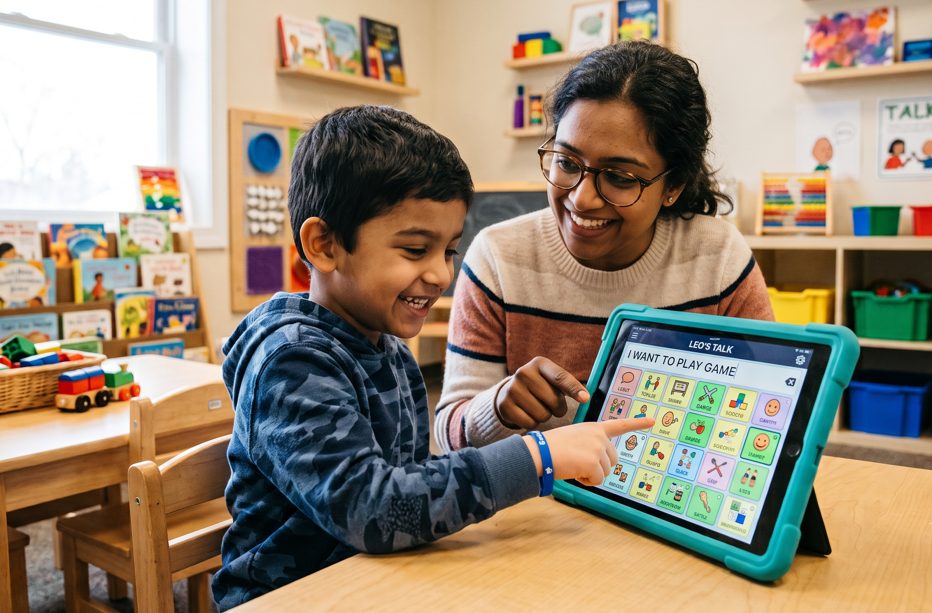








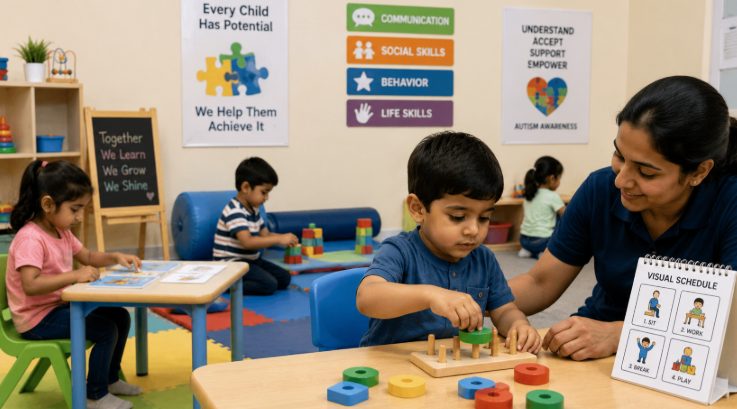


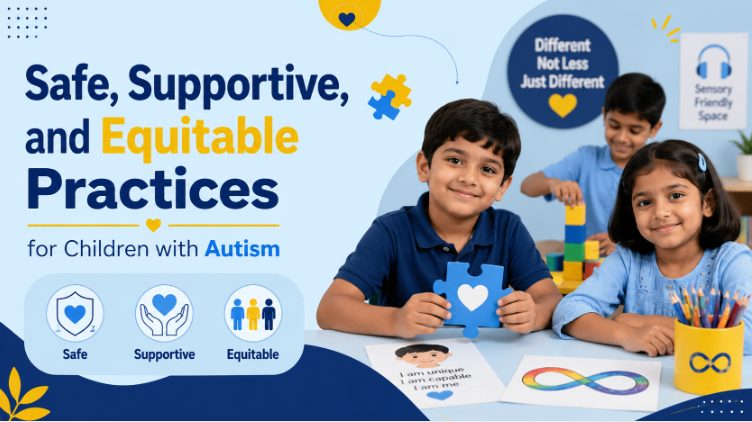
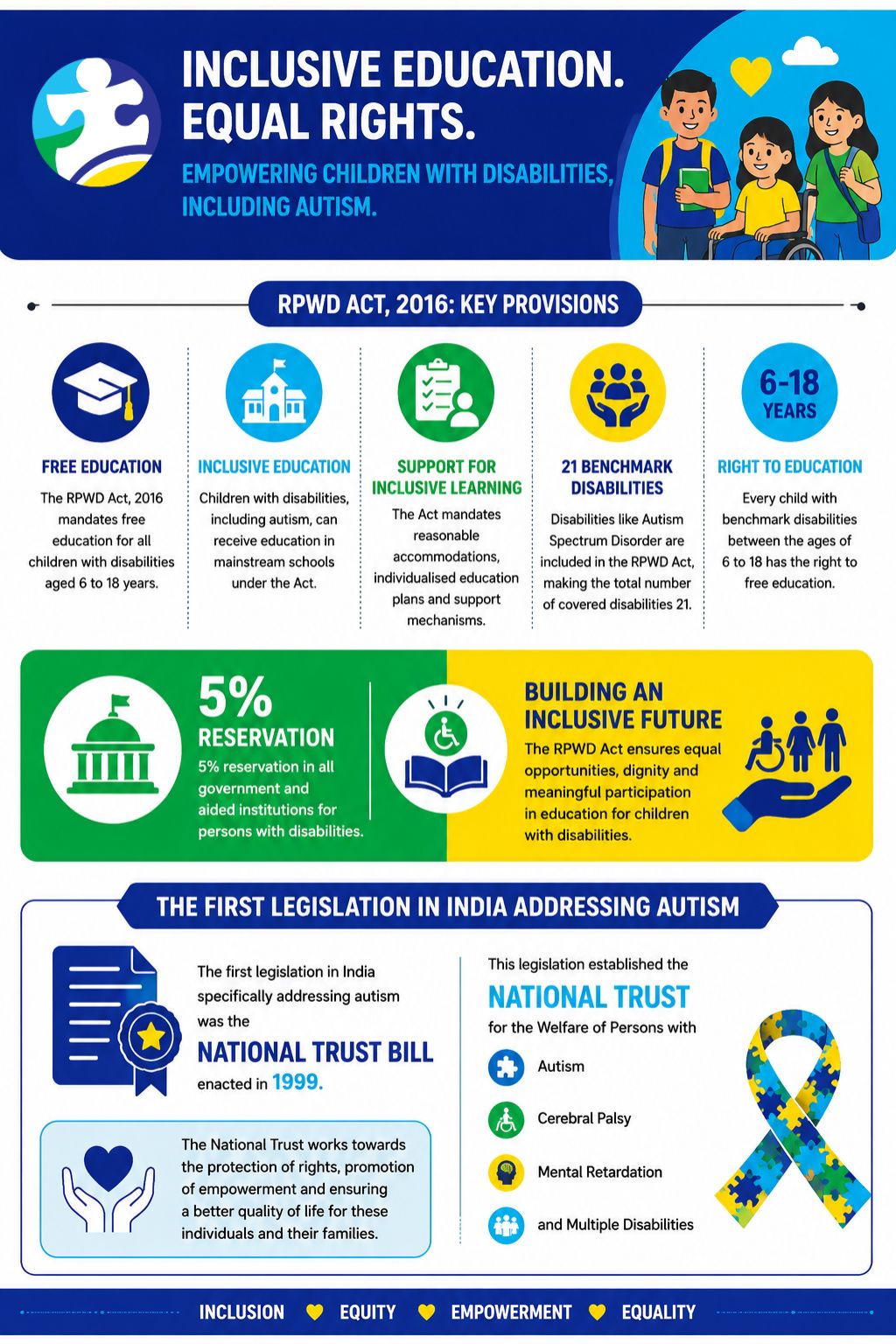




Recent Comments