
";}
Tag

Speech Therapy Archives - EAV

sensory motor diffiliculties in speech

Sensory Motor Difficulties in Speech: Why Your Child Struggles to Talk (And How Speech Therapy Can Help)

By | Blog | No Comments

When your child knows what they want to say but just can’t get the words out, here’s what’s really going on, and what you can do about it.


You’ve watched your child try. Their eyes light up with something to say, their mouth opens. But then nothing comes out right. Or maybe sounds come out jumbled, unclear, or frustratingly inconsistent. One day they say a word perfectly. The next day, it’s gone.


If this sounds familiar, your child may be experiencing sensory motor difficulties in speech. It is a very real, very treatable challenge that affects thousands of children, particularly those on the autism spectrum or with neurodevelopmental conditions.


Now, take a breath. You’re in the right place. Let’s talk about what’s actually happening in your child’s brain and body, and how pediatric speech therapy can boost communication in ways that might genuinely surprise you.


What Are Sensory Motor Difficulties in Speech?


Speech is deceptively complex. To say a single word, your child’s brain must:


  • Plan the movement sequence (motor planning)
  • Send signals to over 100 muscles in the face, jaw, lips, and tongue
  • Process sensory feedback; how it feels, sounds, and vibrates
  • Adjust in real time based on that feedback


When any part of this loop breaks down, speech becomes difficult. And this is not because the child doesn’t have ideas or intelligence, but because the sensory-motor pathway isn’t working efficiently.


This is why sensory motor speech disorders are so often misunderstood. A child who stumbles over words isn’t being lazy or difficult. Their brain is working overtime just to produce sounds that most of us take entirely for granted.


Schedule Your Free Consultation with Early Autism Ventures Now. 


Common Sensory Motor Speech Disorders in Children

common sensory motor difficulties

  • Childhood Apraxia of Speech (CAS)


One of the most well-known motor speech disorders in children, CAS occurs when a child has difficulty planning and coordinating the precise movements needed for speech. Words may come out differently each time. The child knows what they want to say, the message is clear in their mind, but the motor program keeps misfiring.


Research from the Apraxia Kids organization estimates CAS affects approximately 1–2 children per 1,000, with significantly higher rates in children with autism. Speech therapy for apraxia is the primary treatment, with intensive, repetition-based motor practice showing the strongest outcomes.

  • Dysarthria


Dysarthria in children results from weakness or poor coordination of the muscles used for speech. It often occurs alongside cerebral palsy, Down syndrome, or other neurological conditions. Speech may sound slurred, slow, or “mushy.” Speech-language therapy addresses muscle strength, breath support, and articulation in an integrated way.

  • Sensory Processing and Speech


Children with sensory processing difficulties often struggle with the auditory and tactile feedback that shapes speech. If a child can’t clearly “feel” or “hear” how their sounds are landing, they can’t self-correct effectively. This is particularly relevant in speech therapy for autism, where sensory dysregulation and communication difficulties frequently co-occur.


A recent study published in the Journal of Autism and Developmental Disorders found that sensory processing differences were present in over 90% of children with autism, and significantly impacted their speech and communication development.

  • Oral Motor Difficulties


Oral motor therapy targets the muscles of the mouth, jaw, lips, and tongue. When these muscles lack strength, coordination, or sensory awareness, it directly impacts articulation disorders in children, feeding, and even breath control for speech. Many children who receive feeding therapy also benefit from oral motor work that carries over into clearer speech.


Red Flags: When Should You Seek a Speech Therapy Evaluation?


Parents often sense something is off before anyone else does. Trust that instinct. Here are signs that warrant a speech-language evaluation for children:


– Your child isn’t babbling by 12 months

– No single words by 16 months

– No two-word combinations by 24 months

– Speech is difficult to understand, even for family members

– Your child loses speech skills they previously had

– Inconsistent sound production (says a word once, then can’t repeat it)

– Avoids talking or becomes frustrated when trying to communicate

– Difficulty imitating mouth movements or sounds

– Drooling beyond typical age ranges, or difficulty chewing


The American Speech-Language-Hearing Association (ASHA) recommends early evaluation whenever a parent has concerns, because early speech intervention is significantly more effective than waiting for a child to “grow out of it.” 


(Spoiler: they usually don’t grow out of it on their own. But they absolutely can grow through it, with the right support.)


Is your child showing any of these signs? Don’t wait. Book a Free Consultation with Early Autism Ventures Today.


How Does Pediatric Speech Therapy Actually Work?


Great question, and one every parent deserves a clear answer to.


Pediatric speech therapy is delivered by a Speech-Language Pathologist (SLP), a licensed professional trained to assess and treat communication disorders across all ages. For sensory motor speech difficulties, therapy is highly individualized and evidence-based.


Here’s what a typical approach looks like:


Step 1: Comprehensive Speech-Language Assessment


A thorough speech and language assessment for kids examines articulation, phonology, oral motor function, language comprehension, expressive language, fluency, voice, and sensory responses. This isn’t a one-size-fits-all checklist, it’s a detailed map of your child’s unique communication profile.


Step 2: An Individualized Therapy Plan


Based on assessment findings, the SLP designs goals targeting your child’s specific challenges, whether that’s motor speech therapy, language development, augmentative and alternative communication (AAC), or a combination.


Step 3: Intensive, Repetitive Practice


For motor speech disorders like CAS, intensive speech therapy for children with high repetition is the gold standard. The brain learns movement through practice, lots of it. The good news? Skilled SLPs make this practice engaging, playful, and rewarding.


Step 4: Progress Monitoring and Family Training


Speech therapy progress monitoring ensures goals are regularly reviewed and updated. And critically, parents are trained to reinforce skills at home. Because the SLP sees your child for an hour. You have the other 23.


The Role of Sensory Integration in Speech Development


Here’s something many parents don’t realize: sensory integration therapy and speech therapy are deeply connected.


The mouth is one of the most sensory-rich areas of the human body. Children with sensory processing disorder may be hypersensitive (over-responsive) or hyposensitive (under-responsive) to oral sensations, and both affect speech production.


Sensory-based speech therapy uses tactile cues, vibration, temperature, and proprioceptive input to help children “feel” their speech movements more clearly. Combined with traditional motor practice, this approach is particularly effective for children with autism and sensory motor challenges.


Think of it like recalibrating the GPS before asking someone to drive. First, we fix the signal. Then, the route becomes clear.


Speech Therapy and Autism: What the Research Says


For children on the autism spectrum, speech therapy for autism is one of the most impactful interventions available. Communication difficulties are a defining feature of autism, and they look different in every child, from non-speaking children to those with strong vocabularies but pragmatic language challenges.


We did the ground-work so you don’t have to. Here’s what research says:


– A Cochrane Review found that early speech-language intervention for children with autism produced meaningful improvements in communication, social interaction, and quality of life.

ASHA’s evidence maps confirm that augmentative and alternative communication (AAC), including devices, picture systems, and sign language, does not reduce a child’s motivation to develop verbal speech. In fact, it often supports it.

– The National Autism Center’s Standards Report identifies communication-focused behavioral interventions as among the most well-established treatments for autism.


The earlier autism speech therapy begins, the better. But it’s never too late to make meaningful progress, and that’s not just a hopeful phrase. It’s what the data shows.


Speech Therapy + ABA Therapy: A Powerful Team

speech therapy and aba therpay

While this blog is focused on speech, it’s worth mentioning that ABA therapy and speech therapy work beautifully together for children with autism and related conditions.


ABA therapy, delivered by a BCBA (Board Certified Behavior Analyst), uses positive reinforcement and systematic teaching to build communication skills alongside behavioral goals. Autism ABA therapy programs often include verbal behavior components that directly support speech therapy goals. When an SLP and a BCBA collaborate around shared communication objectives, children make progress faster and more consistently.


ABA therapy benefits in the area of communication are well-documented: improvements in requesting, labeling, following instructions, and social communication. ABA progress monitoring ensures every communication milestone is tracked and celebrated.


How Early Autism Ventures Supports Your Child’s Communication Journey

Early Autism Ventures Bangalore ABA Therapy Centre best in Bangalore

At Early Autism Ventures (EAV), we believe every child has something to say, and our job is to help them say it.


Our team of experienced Speech-Language Pathologists works alongside BCBAs and occupational therapists to create a truly integrated, child-centered approach to communication. Here’s what that looks like in practice:


  • Comprehensive speech-language assessments that go beyond checklists to understand the whole child
  • Specialized expertise in childhood apraxia of speech, sensory motor speech disorders, autism speech therapy, and AAC
  • Oral motor therapy and sensory-based speech techniques for children with complex sensory profiles
  • Close collaboration with our ABA therapy team to align communication goals across all settings
  • A warm, play-based therapy environment where children actually want to come, (yes, we’ve had kids ask to skip birthday parties to attend therapy. We were flattered and slightly concerned.)
  • Regular speech therapy progress monitoring with transparent reporting so parents always know where their child stands
  • Practical home programs that make you part of the therapy team


At EAV, we don’t just treat speech. We build communicators. And we do it with the kind of care, precision, and genuine joy that makes a real difference in children’s lives.


Sensory motor speech difficulties are real, they are complex, and they are absolutely addressable. With the right assessment, the right therapy, and the right team behind your child, communication breakthroughs happen every single day.


At Early Autism Ventures, we see them happen. We celebrate them loudly. And we want that for your child too.


The first step is a conversation. Let’s have it.


Schedule Your Free Consultation with Early Autism Ventures Now. Your child has a voice. We’re here to help them use it.


2 year old baby not talking red flags issue

2.5-Year-Old Baby Not Talking: Causes, Red Flags & Therapy Options

By | Blog | No Comments

You’ve circled the date on the calendar approximately 47 times. Your little one just turned 2.5, and while your best friend’s child won’t stop narrating their entire day like a tiny sports commentator, your toddler communicates mainly through pointing, grunting, and the occasional interpretive dance. Sound familiar?


Before you spiral into a Google rabbit hole at 2 AM (we see you), take a breath. You’re not alone, and you’ve already taken the most important step by seeking information. Let’s walk through what’s happening, what to watch for, and most importantly, how to help your child find their voice.


Understanding Speech Delays: The Numbers Tell a Story

understanding speech delays

According to the American Speech-Language-Hearing Association, approximately 10-15% of 2-year-olds experience some form of speech or language delay. By age 2.5, most children typically use 200-300 words and combine them into simple sentences like “more juice” or “go outside.”


But here’s the thing. Child development isn’t a competition, and timelines aren’t one-size-fits-all. That said, significant delays warrant attention, and early intervention therapy can make a world of difference.


What Should a 2.5-Year-Old Be Saying?

what should a 2 year old child be speaking

Let’s establish some developmental milestones. By 30 months, children generally:


  • Use 200-300 words in their vocabulary
  • Combine 2-3 words into simple phrases
  • Follow two-step directions (“Get your shoes and bring them here”)
  • Name familiar objects and people
  • Be understood by familiar caregivers about 50-75% of the time


If your child isn’t meeting several of these markers, it’s time to dig deeper.


Ready to understand where your child stands? Schedule a free consultation with our child development therapy experts today.


Common Causes of Speech Delays


  1. Hearing Issues


Sometimes the simplest explanation is the right one. Recurrent ear infections or fluid buildup can muffle sounds, making it difficult for children to learn speech patterns. Research and studies indicate that approximately 3 in 1,000 babies are born with hearing loss, while many more develop issues later.


  1. Oral-Motor Problems


Conditions affecting the tongue, palate, or oral muscles can impact speech production. This is where occupational therapy for kids and feeding therapy for kids often intersect, as both address oral-motor coordination.


  1. Autism Spectrum Disorder (ASD)


Research indicates that approximately 25-30% of children with autism are minimally verbal. Speech delays combined with other developmental differences may signal ASD, which responds remarkably well to early, intensive intervention.


  1. Developmental Language Disorder


Some children have specific difficulties processing and producing language despite typical development in other areas. This neurological difference affects approximately 7% of children, according to recent studies.


  1. Limited Language Exposure


Children learn through interaction. Excessive screen time (the American Academy of Pediatrics recommends no more than one hour of quality programming for 2-5 year-olds) or limited conversational opportunities can slow language acquisition.


  1. Childhood Apraxia of Speech


This motor speech disorder makes it difficult for children to coordinate the movements needed for speech. Early speech therapy combined with occupational therapy near me searches can connect you with specialists who understand this condition.


Red Flags: When to Take Action


Trust your parental intuition, but also watch for these concerning signs of speech delay:


  • No babbling or cooing by 12 months
  • No single words by 16 months
  • Fewer than 50 words by age 2
  • No two-word combinations by 2.5 years
  • Loss of previously acquired speech or social skills (a critical red flag for autism)
  • Not responding to their name consistently
  • Limited eye contact or social engagement
  • Difficulty following simple instructions
  • Preference for repetitive play over interactive activities
  • Sensory issues in children like extreme reactions to sounds, textures, or lights


One parent described it perfectly: “It wasn’t just that he wasn’t talking. It was like he was living in his own little world, and we didn’t have the key to get in.” 


And if this resonates, don’t wait.


Concerned about what you’re seeing? Our expert team can provide clarity. Book your free assessment now.


The Power of Early Speech Therapy


Here’s the golden truth backed by decades of research: early intervention works. A landmark study found that children who received therapy before age 3 showed significantly better outcomes than those who started later.


Why Speech Therapy Opens Doors


When parents ask “how can speech therapy help my child,” the answer is beautifully simple: it gives children the tools to connect with their world. Speech therapy isn’t just about pronunciation, but about deeply exploring your child’s ability to express needs, share emotions, and build relationships.


Think of it this way: instead of focusing on what your child can’t say, speech therapy systematically builds on the sounds and gestures they can make, celebrating every milestone. Even the tiny ones that might seem insignificant to outsiders but feel like winning the lottery to you.


How Does Speech Therapy Work?


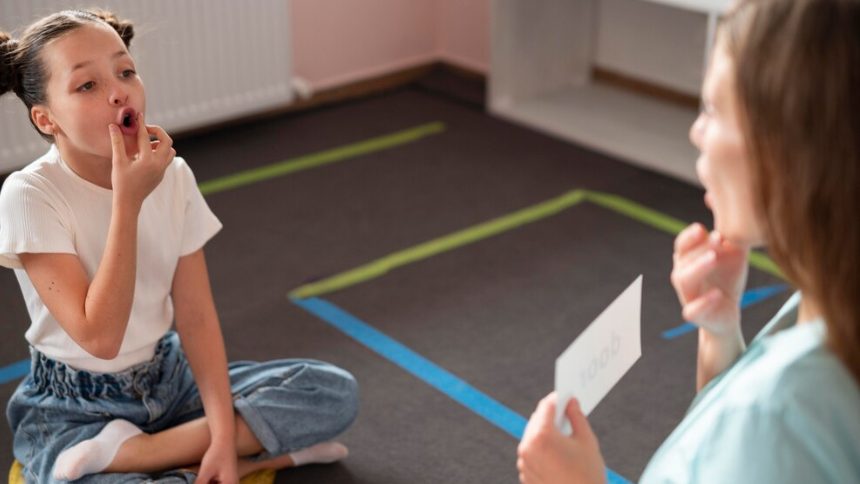
Speech therapy benefits children by breaking down communication into achievable steps. A licensed speech-language pathologist (SLP) creates individualized programs targeting your child’s specific needs, whether that’s articulation, language comprehension, or expressive communication.


For a non-verbal 2.5-year-old, this might look like:


– Encouraging imitation of sounds through playful activities

– Building requesting skills using gestures, sign language, then words

– Creating communication-rich environments during natural routines

– Using your child’s favorite toys and activities as motivation

– Incorporating oral-motor exercises to strengthen speech muscles

– Implementing progress monitoring to adjust strategies


The beauty of speech therapy? It meets children exactly where they are. No judgment, no pressure. Just consistent, compassionate teaching that transforms grunts and points into meaningful communication.


The Multi-Therapy Approach


While speech therapy forms the foundation, many children benefit from complementary therapies:


Speech Therapy targets specific communication challenges, from articulation to language comprehension. Speech-language pathologists work on everything from making first sounds to building complex sentences.


Occupational Therapy for kids addresses sensory integration therapy needs, fine motor skills activities, and gross motor skills therapy. Many children with speech delays also have sensory processing disorder therapy needs—they might struggle with textures, sounds, or movement, which impacts their overall development.


ABA Therapy benefits children by breaking down complex skills into manageable steps. A BCBA designs individualized programs that use positive and negative reinforcement ABA therapy techniques to encourage desired behaviors and communication.

early autism ventures bangalore best autism treatment centreAt Early Autism Ventures, we understand that therapy for neuro developmental kids isn’t one-size-fits-all. That’s why our comprehensive approach integrates speech therapy, ABA therapy, and occupational therapy for kids under one roof, with therapists who communicate and collaborate on your child’s progress.


 

Real Speech Therapy Progress: What to Expect During Speech Therapy?


Let’s be honest. No one waves a magic wand. Speech therapy progress takes consistency and time. But here’s what research shows:


  • Children receiving consistent speech therapy sessions (typically 2-5 times weekly) combined with home practice show the most significant gains
  • The communication strategies learned in speech therapy help children express themselves across all environments, including home, school, and play
  • Regular progress monitoring ensures your child’s program evolves with their needs and celebrates emerging skills
  • Most families start seeing meaningful changes within 3-6 months, though every child’s timeline is unique


One mother shared: “After three months of speech therapy at EAV, my son started pointing to request things. It sounds small, but it was communication. Six months later, he said ‘mama’ for the first time. I ugly-cried for an hour.”

Another father told us: “For two years, my daughter would just scream or throw a fit when she wanted something. The tantrums were heartbreaking because I knew she was frustrated, but I felt so helpless. After around four months of speech therapy at EAV, she started using simple signs for ‘more’ and ‘help.’ Then one day at breakfast, clear as day, she said ‘juice.’ My wife and I just froze, looked at each other, and both started laughing and crying at the same time. Our family members probably thought we’d won the lottery. In a way, we had.”


These moments? They’re why we do this work. Whether your child begins with single sounds, progresses to words, or develops alternative communication methods, each step forward is a victory worth celebrating.​​​​​​​​​​​​​​​​


How Early Autism Ventures Supports Your Family


Early Autism Ventures (EAV) isn’t just another therapy center. We’re your partners in this journey. Here’s what makes our approach different:


  • Comprehensive Assessment: Our BCBA team conducts thorough speech evaluations to understand your child’s unique profile.


  • Individualized Programming: We design customized speech therapy programs that incorporate your child’s interests, learning style, and family goals. Whether your child needs sensory integration therapy, motor planning activities, or balance and coordination therapy, we address it all.


  • Evidence-Based Excellence: Our autism speech therapy protocols are grounded in research, with continuous ABA progress monitoring to ensure we’re moving in the right direction.


  • Family-Centered Care: We provide parent training and OT home programs for kids because you’re the most important teacher in your child’s life. Our behavioral and sensory regulation strategies extend beyond our walls into your daily routines.


  • Collaborative Spirit: Our multidisciplinary team, including BCBAs, speech therapists, and occupational therapists, meets regularly to discuss your child’s progress, ensuring cohesive, coordinated care.


The positive reinforcement culture at EAV extends to families too. We celebrate your courage in seeking help, acknowledge the hard days, and cheer loudly for every victory.


Taking the Next Step


If you’re reading this at 2 AM (called it!), here’s your action plan:


  1. Trust your instincts. If something feels off, pursue evaluation
  2. Schedule hearing and developmental screenings. It’s time to rule out medical issues
  3. Connect with specialists. BCBAs, speech therapists, and occupational therapists can provide answers you’re looking for
  4. Start early, because every week matters in early intervention therapy
  5. Stay hopeful. Children are remarkably resilient and capable


Research from the National Institute on Deafness and Other Communication Disorders confirms what we see daily: with appropriate intervention, many children with speech delays catch up to their peers or develop effective alternative communication methods.


Your Child’s Journey Starts Now

Your 2.5-year-old may not be talking yet, but their story is just beginning. With the right support, i.e., combining speech therapy benefits, ABA therapy, and occupational therapy for kids, your child can develop the communication skills they need to connect with you and their world.


At Early Autism Ventures, we’ve walked this path with hundreds of families. We understand the midnight worries, the comparison traps, and the fierce love that brought you here. We also know the incredible potential within your child, waiting to be unlocked through evidence-based therapy and unwavering support.


Don’t let another day pass wondering “what if?” Early intervention therapy provides the best outcomes, and our team is ready to support your family every step of the way.


Schedule your free consultation with Early Autism Ventures today. Our Board Certified Behavior Analysts (BCBAs) will answer your questions, assess your child’s needs, and create a personalized roadmap for progress.


Click here to schedule your free consultation now—because every child’s voice matters, even when it’s still developing.

Searching for a Shadow Teacher Near Me?

Searching for a Shadow Teacher Near Me? Here’s What Every Parent Should Know

By | Blog | No Comments

Finding the right support for a child with Autism can feel overwhelming. Many parents search online for a “shadow teacher near me” when their child needs additional help in school, especially with communication, learning, and social engagement. If you are one of those parents, you are already taking an important step.

At Early Autism Ventures, we work with children across Hyderabad and Bangalore who need school support, speech therapy, and individualized learning plans. Our goal is simple: help your child learn, communicate, and participate confidently in a regular classroom environment.

What Is a Shadow Teacher?

A shadow teacher, also known as a school support professional, works one-on-one with a child inside the classroom.
Unlike a regular tutor, a shadow teacher is trained in:

  • Behaviour support

  • Communication strategies

  • Autism learning techniques

  • Social and emotional development

  • Classroom participation

Their job is not to do the work for the child, but to gently guide them toward independence.

Why Children With Autism Benefit From a Shadow Teacher

Many children with Autism struggle with:

  • Following instructions

  • Social interaction

  • Sensory regulation

  • Communication

  • Transitions between activities

A qualified shadow teacher bridges the gap between the child, the curriculum, and classroom expectations.
This support helps the child participate without feeling overwhelmed or left behind.

Parents often notice improvements in:

  • Classroom attention

  • Speech and communication

  • Behaviour regulation

  • Confidence and independence

Why Speech Therapy and Shadow Support Work Best Together

A child with Autism may need more than classroom support. Communication is a key challenge, which is why many parents search for both a speech therapist near me and a shadow teacher near me.

At Early Autism Ventures, we provide coordinated support that includes:

  • Speech Therapy

  • ABA Therapy

  • Shadow Teacher Program

  • Behaviour Support Plans

  • Parent Training and Guidance

This combined approach helps children generalize communication skills from therapy rooms into real-life environments like school, playgrounds, and home.

How Shadow Teachers Help Inside the Classroom

A trained shadow teacher:

  • Encourages peer communication

  • Supports classroom routines

  • Helps with worksheets and activities

  • Reduces sensory or behaviour challenges

  • Builds independence through gradual fading

The ultimate goal is not long-term dependency, but long-term confidence.

Why Parents in Hyderabad and Bangalore Choose Early Autism Ventures

Families across both cities trust our program because we offer:

  • Individualised shadow teacher support

  • Qualified speech and ABA professionals

  • Evidence-based interventions

  • Regular progress reviews

  • A compassionate, child-first approach

We believe every child deserves the right support to learn and thrive.

Searching for a Shadow Teacher Near Me?

You’re in the Right Place.

Whether you are located in:

  • Hyderabad or Bangalore

Early Autism Ventures provides high-quality shadow teaching and speech therapy services near you.

Take the First Step Today

If your child needs classroom support, communication help, or Autism-friendly learning structure, we’re here to guide you.

Book a consultation with Early Autism Ventures and learn how our shadow teachers and speech therapists can support your child’s growth.

Contact us today to get started.

Movement Breaks in Speech Therapy: Enhancing Engagement and Outcomes with Research Backing

By | Blog | No Comments

In the dynamic world of speech therapy, movement breaks are increasingly recognized for their benefits in boosting engagement, attention, and learning outcomes, especially for children. Multiple scientific studies now support integrating physical activity into therapy sessions for more effective language development and overall cognitive gains.


What Are Movement Breaks?

Movement breaks are short, planned periods of physical activity—such as stretches, jumping, animal walks, or dance. These activities help children release energy, refocus, and prepare to participate actively in their sessions.[1][2]


Scientific Evidence for Movement Breaks

1. Motor Skills and Language Development

A 2022 study in preschool children found that higher physical activity and better motor skills correlate positively with language development. Specifically, children who scored better on motor tests like “One-leg stand” and “Lateral jumping” also performed better in language tasks assessing phonological memory and morphological rule formation. Conversely, a sedentary lifestyle was linked to poorer language scores across all subtests.[3]
Read the study: [Correlation between Language Development and Motor Skills in Preschool Children][3]

2. Movement-Based Speech Therapy Interventions

Research surveying speech-language pathologists shows that incorporating full-body movements—like dance, yoga, and active play—into speech sessions increases student motivation, accelerates learning, and improves social interactions. Experts who included movement with children with autism reported these positive outcomes more consistently than those who stick to traditional static sessions.[4]
Read the research paper: [Full-Body Movements in Speech Treatment Sessions][4]

3. Motor-Based Interventions and Language Skills

Another study (2021) found that motor-based interventions such as aquatic therapy and sensory integration therapy improve language skills in children with neurological conditions or developmental challenges.[5]
Read the article: [Reciprocal Influence of Mobility and Speech-Language][5]

4. General Cognitive Benefits

Recent research confirms that short bursts of physical movement reduce mental fatigue, increase engagement, and improve learning outcomes in children. These findings are echoed in occupational and speech therapy practice recommendations.[6][1]
Read the summaries:

  • [Brain Breaks and Movement Breaks Kids Love][6]

  • [Brain Breaks: An Evidence-Based Behavior Strategy][1]

5. Movement and Speech in Neurological Conditions

For clinical populations, such as those with Parkinson’s disease, research shows that larger articulatory movements during speech treatment can improve articulation and speech precision, though boundaries must be carefully monitored.[7]
Read the study: [Treating Speech Movement Hypokinesia in Parkinson’s Disease][7]


Research-Driven Benefits Summarized

  • Increases attention and engagement in young learners [4][3]

  • Supports self-regulation and behavioural control

  • Boosts learning outcomes by linking physical and language development [3][5]

  • Motivates children with developmental delays and autism [5][4]

  • Provides cognitive refreshment, reducing mental fatigue [6][1]


Practical Applications for SLPs

  • Use animal walks, yoga, dance, and short games to break up speech tasks.[4][6]

  • Integrate movement into language learning activities (e.g., practice following directions while moving).

  • Calibrate movement breaks based on a child’s sensory needs and preferences.

  • Reinforce important concepts with physical activity-linked repetition.


Conclusion

Scientific research demonstrates that movement breaks in speech therapy are not just a fun interruption—they’re a rigorously supported strategy for boosting engagement, learning, and language development. Integrating periodic, purposeful movement into therapy sessions can help children reach their communication goals more effectively.

For further reading, see the provided journal article links, which are suitable for parents, educators, and clinicians seeking evidence-based practices.


References

  1. https://www.readingrockets.org/topics/autism-spectrum-disorder/articles/brain-breaks-evidence-basedbehavior-strategy

  2. https://ncse.ie/wp-content/uploads/2020/12/NCSE-Movement-Breaks-in-the-Classroom-Booklet.pdf

  3. https://pmc.ncbi.nlm.nih.gov/articles/PMC8947720/

  4. https://aquila.usm.edu/cgi/viewcontent.cgi?article=1945&context=honors_theses

  5. https://pmc.ncbi.nlm.nih.gov/articles/PMC8801003/

  6. https://www.theottoolbox.com/brain-breaks/

  7. https://pmc.ncbi.nlm.nih.gov/articles/PMC6693569/

speech therapy and autism

Speech Therapy and Autism: Helping Children Find Their Voice

By | Blog | No Comments

Picture this: Your child has something important to say, but the words feel stuck behind an invisible wall.

As a parent, you want nothing more than to hear their thoughts, dreams, and even their complaints about broccoli. If your child has autism, you’re not alone in this journey, and there’s incredible hope ahead.

The Reality of Autism and Communication Today 

The numbers tell a powerful story. In India, Autism Spectrum Disorder (ASD) is estimated to affect approximately 1 in 68 children, accounting for about 1.12% to 1.5% of children between the ages of 2 and 9. Some estimates suggest that up to 3% of the overall population may be on the autism spectrum.

The rising number of autism diagnoses in India does not necessarily indicate a surge in the actual prevalence of Autism Spectrum Disorder (ASD). Instead, it reflects growing awareness, better access to screening tools, and broader diagnostic criteria.

Schedule a FREE consultation with our clinicians now!

As a result, more individuals, especially those who may have been previously overlooked or misdiagnosed, are now being accurately identified. What this truly signifies is progress: more families are receiving the support, recognition, and early intervention they need, leading to improved outcomes and a stronger foundation for lifelong development.

Communication challenges affect nearly every child with autism spectrum disorder (ASD), but here’s the beautiful truth: every child has a voice waiting to be discovered. 

Some children will speak in full sentences, others will paint their thoughts through pictures, and some will find their voice through technology. The goal isn’t to make every child communicate the same way; it’s to help them find their unique way to connect with the world.

Understanding Communication Problems in Children with Autism

understanding communication issues in autistic children

Children with autism face various communication hurdles that can feel overwhelming for families. These challenges might include:

  • Verbal communication difficulties can range from delayed speech development to trouble with conversation flow. Some children might repeat phrases they’ve heard (called echolalia), while others might struggle to find the right words when they need them most.
  • Nonverbal communication puzzles often involve difficulty reading facial expressions, understanding body language, or using gestures effectively. Your child may not naturally wave goodbye or may miss the subtle social cues that seem obvious to others.
  • Social communication barriers can make it hard for children to engage in back-and-forth conversations, ask for help when needed, or express their emotions appropriately. They might want to connect but feel lost in the social dance of communication.

Think of it like having a brilliant radio station that’s just slightly off the right frequency – the content is right there, but the signal needs fine-tuning to come through clearly.

What is Speech Therapy for Autism?

what is speech therapy in autism

Speech therapy for children with autism is a specialized form of intervention that helps improve a child’s communication skills—both verbal and non-verbal. Since many children on the autism spectrum face challenges with language, speech, and social interaction, speech therapy plays a key role in helping them express themselves, understand others, and build meaningful connections. Here’s how this therapeutic approach transforms lives:

  • Building Core Communication Skills: Speech-language pathologists work with children to develop fundamental communication abilities. They help children understand that communication is a two-way street, where thoughts and feelings flow in both directions. Through targeted activities and play-based learning, children discover that their voice matters and that others want to hear what they have to say.
  • Developing Language Understanding: Many children with autism are visual learners who benefit from seeing concepts rather than just hearing them. Speech therapists use picture cards, visual schedules, and interactive games to help children connect words with meanings. They might use a child’s special interest in trains to teach prepositions (“The train goes under the bridge”) or emotions (“The passengers look happy”).
  • Enhancing Social Communication: This is where the real magic happens. Speech therapy helps children learn the unspoken rules of conversation – like taking turns, staying on topic, and reading social cues. Children practice these skills in safe, supportive environments where mistakes are viewed as learning opportunities rather than failures.


  • Alternative Communication Methods: For children who struggle with verbal communication, speech therapists introduce alternative and augmentative communication (AAC) systems. These might include picture exchange systems, sign language, or high-tech communication devices. The goal is always the same: helping every child find their voice, whatever form it takes.


The Foundation for Communication and Feeding


Every parent’s biggest desire is to see their children speak. If we dive a little deeper, what we are all looking for is to understand how our children communicate, what they are thinking, and so much more.


Most children on the autism spectrum get dismissed by saying that they don’t want to talk, but actually, they have difficulty with the whole process of speech.

The Role of Sensory-Motor Integration in Speech and Feeding


Before a child can speak clearly or eat safely, their body needs to know how to move. 


Sensory-motor skills—like jaw stability, tongue movement, and breath control—are the building blocks for both communication and feeding. Many children with autism experience challenges in these areas, which can impact how they chew, swallow, or produce sounds. 


That’s why at Early Autism Ventures, we integrate sensory-motor strategies into our speech and feeding programs, helping children feel more in control of their bodies so they can find their voice and enjoy mealtimes with confidence.

The Role of ABA Therapy in Communication Development 

role of speech therapy in communication development autism

Applied Behavior Analysis (ABA) therapy works hand-in-hand with speech therapy to create comprehensive communication support. Research shows that ABA therapy can significantly improve communication outcomes for children with autism, with studies demonstrating medium to large effect sizes for language development. 

Does ABA Support Speech Development for Children on the Spectrum? 

ABA therapy uses positive reinforcement to encourage communication attempts. When a child makes an effort to communicate, whether through words, gestures, or pictures, they receive immediate, meaningful rewards. This approach helps children understand that communication is valuable and worth the effort.

  • Generalization of Skills: One of ABA therapy’s greatest strengths is helping children use their new communication skills in different settings. A child might learn to request their favorite snack during therapy and then practice this skill at home, school, and in the community. This generalization ensures that communication improvements extend beyond the therapy room.

Recent research indicates that around 36.5% of autism caregivers utilize ABA therapy, with the majority reporting positive results in their children’s communication development.

  • Behavioral Support for Communication: Sometimes, challenging behaviors occur when children can’t express their needs effectively. ABA therapy helps identify these communication breakdowns and teaches children appropriate ways to get their message across. When children have better communication tools, problem behaviors often decrease naturally.


Here’s how you can implement simple tips for improving your autistic child’s communication skills, even at home:

  • Creating a Communication-Rich Environment at Home: Parents play the most crucial role in their child’s communication journey. Here are practical strategies that make a real difference:
  • Follow Your Child’s Lead: Pay attention to what captures your child’s interest and use those moments as communication opportunities. If they’re fascinated by spinning wheels, talk about round objects, movement, and colors. Their interests become bridges to broader communication.
  • Narrate Your Day: In simple words: become a friendly sports commentator for daily activities. “Now we’re putting on socks. The socks are blue. They keep our feet warm.” This constant narration gives children language models for everyday experiences.
  • Create Communication Opportunities: Instead of anticipating every need, create gentle opportunities for your child to communicate. Keep favorite snacks in sight but out of reach, pause during favorite songs, or “forget” to give them their spoon at dinner. These moments encourage communication attempts.
  • Celebrate All Communication: Whether your child points uses a single word, or creates a full sentence, celebrate every communication attempt. Your enthusiasm shows them that their efforts to connect are valued and important.

The Technology Revolution in Autism Communication

We’re living in an exciting time for autism communication support. High-tech AAC devices can now predict words, learn individual communication patterns, and even help children practice conversations with virtual partners. Voice output devices give children immediate feedback and help them hear their own communication attempts.

Apps designed specifically for autism communication continue to evolve, offering everything from visual schedules to emotion identification games. These tools don’t replace human connection but enhance it by giving children more ways to express themselves.

You can read more about the benefits of AAC here.

Early Intervention: The Golden Window

Research consistently shows that early intervention produces the best outcomes for children with autism. The brain’s plasticity during early childhood means that communication pathways can be strengthened and new connections formed more easily.

Children who receive speech therapy and ABA services before age 5 typically show greater improvements in communication skills.

The key is starting where your child is and building from there. Some children might begin with basic cause-and-effect communication, while others might work on complex conversation skills. Plus, every child’s journey is unique, and progress should be measured against their own starting point, not compared to other children.

Signs Your Child Might Benefit from Speech Therapy

While every child develops at their own pace, certain signs suggest that professional speech therapy could be beneficial:

  •   Limited vocabulary for their age
  •   Difficulty following simple instructions
  •   Trouble expressing basic needs or wants
  •   Challenges with social interaction and play
  •   Repetitive speech patterns or echolalia
  •   Difficulty understanding abstract concepts
  •   Problems with conversation skills

The most effective communication intervention involves a team approach. Speech therapists, ABA therapists, occupational therapists, teachers, and families work together to create consistent communication expectations and opportunities across all environments.

This collaboration ensures that children practice their communication skills throughout their day, not just during therapy sessions. When everyone uses similar strategies and celebrates the same goals, children make faster progress and feel more confident in their communication abilities.

Every child with autism has the potential for communication growth. Some children will become confident speakers, others will master sophisticated AAC systems, and many will develop their own unique communication style that perfectly fits their needs and personality.

The journey isn’t always linear. There will be breakthrough moments that make you cry happy tears and challenging days that test your patience. But with consistent support, evidence-based interventions, and belief in your child’s potential, progress happens.

How Early Autism Ventures Can Transform Your Child’s Communication Journey

At Early Autism Ventures (EAV), we understand that every child’s communication journey is unique, and we’re here to walk alongside your family every step of the way. Our comprehensive approach combines the latest research in speech therapy and ABA techniques with the warmth and understanding that families deserve.

Our team of certified speech-language pathologists and Board-Certified Behavior Analysts work collaboratively to create individualized treatment plans that address your child’s specific communication needs.

We don’t believe in one-size-fits-all solutions because we know your child isn’t one-size-fits-all!

Our services include:

– Comprehensive communication assessments

– Individual and group speech therapy sessions

– ABA-based communication interventions

– Parent training and support programs

– School consultation and collaboration

– AAC device trials and training

– Social communication groups 

We pride ourselves on making therapy feel like play, learning feels like fun, and progress feels achievable. Our modern facilities are designed to be welcoming spaces where children feel safe to take communication risks and celebrate their successes. 

Most importantly, we believe in empowering families with knowledge, strategies, and confidence. We provide ongoing support and training so you can continue fostering your child’s communication development at home and in the community.

Ready to Help Your Child Find Their Voice?

Your child’s communication journey starts with a single step, and we’re here to take that step with you. Everyday you wait is another day your child could be building confidence, making connections, and discovering the joy of being understood.

Call us now at +91 89291 53820 to speak to our clinician, or schedule a FREE consultation here.

Your child’s voice is waiting to be discovered – let’s find it together.

Misconceptions About Autism

Breaking Down Myths: Dispelling Misconceptions About Autism

By | Blog | No Comments

As parents and caregivers of children with autism spectrum disorder (ASD), we’ve all encountered our fair share of misconceptions and myths about this neurodevelopmental condition.

While some of these may stem from a place of genuine curiosity or lack of understanding, they can still be incredibly damaging. Misconceptions about autism can lead to discrimination, exclusion, and a failure to provide appropriate support and accommodations for individuals on the spectrum. They can also contribute to feelings of isolation, shame, and self-doubt among those with ASD and their families.

It’s also important to note that while these myths are harmful, they often stem from a lack of understanding rather than malice. Instead of reacting defensively or aggressively, we can approach these situations as opportunities for education and awareness.

These myths can be frustrating, hurtful, and even harmful as they perpetuate stigma and misunderstanding. So, let’s break them down and shed light on the reality of autism –

Myth #1: Autism is a disease that needs to be cured

Autism needs to be cured

Autism is not a disease or an illness; it’s a neurological condition that affects how a child perceives and interacts with the world around them. While autism presents unique challenges, the end goal should be acceptance, understanding, and support – not “curing” or “fixing” them.

However, this doesn’t mean that children with autism cannot benefit from evidence-based therapies and interventions! In fact, treatments like Applied Behavior Analysis (ABA) therapy, speech and language therapy, occupational therapy (OT), and other supportive services can help them develop essential skills, improve communication abilities, and learn strategies to navigate the world more effectively.

These therapies are not intended to “cure” autism but rather to provide tools and resources that can enhance the quality of life and promote greater independence and self-advocacy among children.

Myth #2: Children and adults with autism lack empathy or emotions

children with autism lack empathy and emotions

This myth couldn’t be further from the truth. Individuals with autism experience emotions just like anyone else; they may simply express them differently or have difficulty recognizing and interpreting social cues and emotional expressions. With the right support and understanding, children on the autism spectrum can develop strong emotional connections and empathy.

In this regard, the right therapies and interventions can play a crucial role in helping children with autism better understand and express their emotions. Social skills training, for instance, can teach them how to recognize and respond to nonverbal cues, understand social situations, and develop appropriate emotional responses. Likewise, speech and language therapy, especially when combined with ABA, can also aid in improving communication skills, allowing children to convey their feelings more effectively.

Myth #3: Autism is caused by bad parenting styles

In the 1950s, Leo Kanner and Bruno Bettelheim, US-based academics, proposed that autism stemmed from a distant, career-focused mother, termed the “refrigerator mother.” Despite lacking evidence and facing criticism, this theory persisted until the 1970s and 1980s. However, when biological explanations gained traction, ultimately, the refrigerator mother hypothesis was abandoned.

And it is important to note that there is absolutely no scientific evidence to support the claim that autism is caused by parenting styles or other external, familial factors.

Extensive research has shown that autism has a strong genetic component and likely results from a combination of genetic and environmental factors. Blaming parents or other factors, such as vaccines, only serves to perpetuate harmful stereotypes and increase the guilt and stress experienced by families.

Myth #4: Autism only affects boys

Autism affects only boys Autism Awareness

Autism does affect more males than females, but it’s important to recognize that autism knows no gender boundaries. Girls and women can also be on the autism spectrum, and they often face unique challenges in terms of diagnosis and support due to gender biases and misconceptions about how autism presents in females.

In fact, research shows that girls with ASD may be underdiagnosed as their behaviors are different from those of boys on the spectrum. For instance, boys are more likely to have limited and repetitive areas of play, whereas girls are relatively less repetitive, with wider play areas. Since their behavior varies in terms of social interactions and communication styles, it is important to personalize support strategies catering to their requirements.

Read more about catering to the unique needs of girls with ASD here.

Myth #5: All children with autism have savant skills or extraordinary talents

While some children and adults with autism do possess exceptional talents or skills in specific areas (known as savant abilities), this is not the case for the majority of children on the autism spectrum. Statistically speaking, as many as one in 10 individuals with autism exhibit remarkable abilities, although savant syndrome can also manifest in other developmental disabilities or central nervous system conditions.

ASD encompasses a broad range of characteristics and experiences, and children diagnosed with it may possess a wide range of abilities, interests, and strengths, just like neurotypical individuals.

Remember, every child with autism is unique, and their experiences and needs are diverse. While general information and resources can be helpful, it’s crucial to approach each child with an open mind and a willingness to learn and adapt to their specific needs.

Concluding Insights –

All children, including those with autism, deserve equitable access to optimal physical and mental health. However, they often face discrimination and lack of healthcare access, aggravating their vulnerability to chronic conditions and violenceStudies indicate that children with autism are potentially three times more susceptible to bullying, physical, or sexual abuse compared to their neurotypical counterparts.

To address this, it’s crucial to combat misinformation about autism, prioritize sensitivity to children’s needs, and collaborate with specialized providers like Early Autism Services (EAS) to ensure tailored care and support.

And as parents, it’s our responsibility to educate ourselves and others about the realities of autism. By breaking down these myths and embracing the truth about autism, we can create a more supportive and inclusive world for our children on the autism spectrum. Let’s continue to amplify their voices, celebrate their strengths, and advocate for their rights and acceptance in our communities.

For more, make sure you get in touch with our best behavioral analysts and schedule a FREE consultation right away – +91 8929153820

Effective Speech & Language Therapy for Children with ASD

Effective Speech & Language Therapy for Children with ASD: What to Expect

By | Blog

Speech and language therapy plays a crucial role in the holistic development of children with Autism Spectrum Disorder (ASD). It not only enhances overall communication but also improves social skills, enabling better adaptation to society and functioning in day-to-day life. Concerning the importance of early intervention for optimal outcomes, it is highly advisable to initiate therapy targeting speech and overall communication as soon as the diagnosis is made or a deficit is observed.

Speech and language therapy also addresses challenges related to language & communication, offering valuable support to children in improving both verbal and nonverbal aspects of their social communication – in essence, the primary objective of this evidence-based approach is to enhance the child’s ability to communicate in more practical and efficient ways.

Nurturing Voices: A Guide to Effective Speech & Language Therapy for Children with ASD

Speech Therapy ASD

Many children with ASD face challenges in grasping the meaning and rhythm of words and sentences. Additionally, they may also struggle to comprehend body language and the nuances of various vocal tones. Collectively, these difficulties impact the capacity of children with ASD to engage with others, particularly within their own age group.

Tailored Approaches: No two children with ASD are the same, and that’s the beauty of their uniqueness. A good speech therapist, especially those at Early Autism Services, understands this implicitly. Expect a personalized approach that caters to your child’s specific needs and strengths and taps into their individual capabilities. Personalized therapy also ensures that your child’s journey is tailored just for them, which further instills a sense of comfort and security.

Communication Breakthroughs: Therapy focusing on the production of speech and overall increase in communication  is a journey, not a sprint. Celebrate the small victories, whether it’s a new word, a sign, or improved eye contact. Each breakthrough is a testament to your child’s progress, and it is these little triumphs that pave the way for bigger accomplishments! Remember, the path to communication breakthroughs is unique for every child, and progress may unfold in surprising ways. For example, some children might even excel in non-verbal communication, such as gestures or visual aids, showcasing their distinct strengths. Embrace these diverse forms of expression, and trust that every step is a building block toward more significant strides.

Patience and Perseverance: As parents and caregivers of children on the spectrum, you already know and understand that some days may be more challenging than the others. Progress might seem slow, and frustrations can run high. But remember, each child blooms at their own pace. Trust the process, and be patient. It’s in these moments of perseverance that you’ll witness the resilience of your child and the power of effective therapy.

Embracing Technology: In a rapidly developing digital age, technology has become an invaluable tool in therapy. Interactive apps and games can make learning enjoyable and engaging for your child. These tech-savvy resources can offer diverse activities, from language development exercises to social interaction simulations, ensuring a well-rounded and dynamic approach to your child’s growth. Additionally, aim to stay involved in your child’s screen time, using it as an opportunity for bonding and shared exploration. Also, make the most of these tools and create an environment where learning is not just educational but a fun experience, too!

Family involvement in children with autism

Family Involvement: Your participation and contribution is crucial. An adept therapist (trained in Verbal Behaviour and/or Speech Therapy) will not only work with your child but will also guide you on how to support their development at home. Incorporate those therapy techniques into your daily routine, and watch how ordinary moments turn into opportunities for growth. As you actively participate in your child’s therapy, remember that your love and encouragement are powerful catalysts, creating a nurturing environment where they feel supported, valued, and inspired to continue developing their communication skills.

In Closing –

At Early Autism Services (EAS), we have had the privilege of witnessing countless success stories where children, once presumed to be non-verbal, have found their voices through effective use of therapy focusing on increasing overall communication including speech. It’s stories like these that fuel our passion for what we do, and we’re confident that you, too, will experience the joy of your child’s developing communication skills.

So, get in touch with our autism care experts now or schedule a free consultation call at +91 8929153820. This way, we will be better equipped to address all your needs!

Effective Autism Therapies Offered by Early Autism Services (EAS)

By | Blog

Since our founding in 2008, we at Early Autism Services (EAS), have continued to stand firm on our belief that the best way to develop and nurture your little one’s potential is through personalized, proactive autism therapy programs.

From understanding your child’s diagnosis to beginning a therapy program that best suits their special needs, there are a lot of steps along the way. And in this regard, our proficient and experienced team of clinicians are here to help!

In addition to offering a 1:1 assessment while engaging and interacting with your child via various play-based methods, our programs combine decades of research and years of experience in Applied Behavior Analysis. This makes Early Autism Services (EAS) one of the finest centers that offer the best ABA therapy in India.

And with a mission to ensure that high-quality therapy is available for every child, here are some of the top therapies for autism offered by Early Autism Services (EAS) –

Center-Based ABA Therapy

Centre based aba therapy for autism

Our center-based ABA therapy services provide children with a fun and inviting environment to encourage learning while enabling them to explore and grow. Since our programs, at the core, are goal-oriented as well as data-driven, we use an effective and interactive play-based learning model. Some of the top advantages of center-based ABA therapy for your child include improved social capabilities, the presence of a safe and structured environment, and an ideal space for learning new and improved skill sets. Additionally, this approach would also enable Early Autism Services’ experienced team of clinicians to build a personalized program for your child and collectively work towards achieving targeted objectives, such as language & communication, pre-academic skills, and self-help.

Social Skills Group 

While social skills are essential for participating in the community and building friendships, for many children with autism, it can be extremely anxiety-inducing and challenging. Hence, in order to help kids effectively develop social skills, Early Autism Services conducts weekly social skills groups for kids between the ages of 6-13. These group interactions and activities help children practice social skills with peers under the guidance of our trained clinicians and board-certified behavior analysts. Remember that with adequate support and practice, your child can progressively build social interaction capabilities, while further encouraging the development of crucial skills, such as speech and language.

Occupational Therapy 

Occupational Therapy Early Autism Services Bengaluru

Amid the numerous therapies for autism, occupational therapy (OT) holds tremendous value in terms of addressing underlying issues such as physical, cognitive, social, as well as motor skills, most likely consistent with autism as well as other sensory processing disorders. With an increasing focus on promoting the development of pivotal life skills, the expert occupational therapists at EAS do a wonderful job of keeping your little one engaged and interested in activities that help them interact with their immediate environment and navigate through their daily life. Furthermore, our well-trained pediatric occupational therapists evaluate your child’s current skills and subsequently plan behavioral strategies, emotional regulation, as well as social skills training.

Speech & Language Therapy 

Speech and Language Therapy

Speech & language therapy plays a significant role in the development of a child diagnosed with autism spectrum disorder (ASD). In addition to enhancing overall communication skills, speech therapy also builds social skills and helps with better functioning in daily life. And at EAS, our holistic speech & language therapy is designed to help treat a varied range of communication issues, such as speech-sound disorders as well as language delays. Moreover, EAS’ programs also help your child produce age-appropriate speech sounds, learn sentence formulation, improve functional communication through AAC, develop novel language, and reduce echolalia.

Since our formation, EAS has grown into one of the largest ABA therapy providers globally. We also conduct regular interactions with an interdisciplinary team by having in-house experts in the field of ABA therapy, speech/language therapy, and occupational therapy – all within the same clinic!

In essence, some of the most effective therapies for autism offered by Early Autism Services (EAS) are

  •         Center-Based ABA Therapy
  •         Social Skills Group
  •         Occupational Therapy
  •         Speech Therapy

As we deeply understand the essence of partnership in terms of creating an effective carry-over from our clinic to the school and home, we prioritize collaborations with teachers, caregivers, and therapists alike, even outside of the EAS realm.

At Early Autism Services, we enjoy working with any child who needs extra support to meet their full potential, so get in touch with our experts right away and choose the best for your child.