
";}
Tag

therapy Archives - EAV

Occupational Therapy services for your child in Bangalore

Occupational Therapy & Child Development: Your Complete Guide to Building Essential Life Skills

By | Blog | No Comments

Every parent dreams of watching their child tie their shoelaces independently, write their name with pride, or navigate a playground with confidence. But what happens when these everyday milestones feel like climbing Mount Everest? That’s where occupational therapy for kids becomes a game-changer.


If you’re a parent navigating the world of child development, especially if your child is diagnosed with autism, you’ve probably heard terms like sensory integration therapy, speech therapy, fine motor skills activities, and ABA therapy thrown around. 


Today, we’re breaking down exactly how pediatric occupational therapy works alongside autism ABA therapy to help your child thrive. And yes, we’ll keep it light, informative, and packed with real solutions because you deserve clarity, not confusion.


Ready to see how occupational therapy can transform your child’s development? Schedule a free consultation with Early Autism Ventures today!


What Exactly Is Occupational Therapy for Kids?

Occupational Therapy Children with Autism

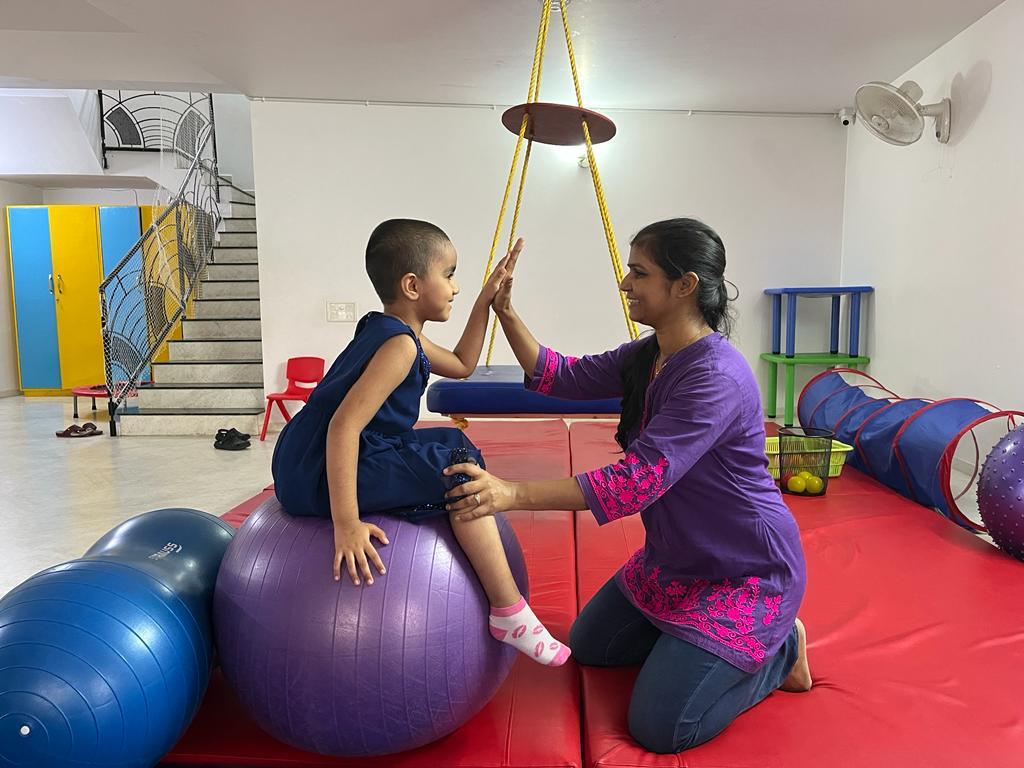
Think of occupational therapy for kids as a superhero training program for everyday life. While it sounds formal, OT is really about helping children master the “occupations” of childhood: playing, learning, eating, dressing, and interacting with the world around them.


Pediatric occupational therapy addresses challenges like:


  • Sensory issues in children (those kids who can’t stand clothing tags or avoid messy play)
  • Fine motor skills activities (buttoning shirts, using scissors, holding a pencil)
  • Gross motor skills therapy (running, jumping, balance)
  • Feeding therapy for kids (picky eaters or those with oral sensory sensitivities)
  • Handwriting improvement therapy and school readiness skills


According to research, early intervention therapy can significantly improve developmental outcomes, with children receiving services before age 3 showing remarkable progress in cognitive and motor skills.


The Magic Connection: OT for Autism and ABA Therapy


Here’s where things get really interesting. OT for autism and ABA therapy are like peanut butter and jelly. Fantastic individually, but absolutely transformative together.


ABA therapy (Applied Behavior Analysis) focuses on teaching new skills and reducing challenging behaviors through positive reinforcement. A BCBA (Board Certified Behavior Analyst) designs individualized programs that break down complex skills into manageable steps. 


When combined with occupational therapy, children receive comprehensive support that addresses both behavioral and developmental needs.


Research consistently shows that combining OT and ABA therapy leads to significantly better outcomes in adaptive functioning compared to either therapy alone.


How Does ABA Therapy Work with Occupational Therapy?

how does aba therapy work with occupational therapy

Let’s paint a picture: Your child struggles with getting dressed (an OT goal) but also becomes upset during transitions (an ABA target). An integrated approach might look like this:


– The occupational therapist works on motor planning activities and adaptive dressing techniques

– The BCBA implements positive and negative reinforcement ABA therapy strategies to encourage independence and manage frustration

– Both track ABA progress monitoring to adjust interventions

– Parents learn strategies through an OT home program for kids


This teamwork creates magic. (Okay, science. But it feels like magic when your child suddenly zips their jacket independently!)


Want to learn how integrated therapy can help your child? Connect with our expert team at Early Autism Ventures now!


Understanding Sensory Processing: The Foundation of Development


Ever wonder why your child melts down in crowded grocery stores or refuses to wear certain textures? Welcome to the world of sensory processing disorder therapy.


Sensory issues in children affect how they process information from their environment. About 1 in 20 children experiences sensory processing challenges, according to research. For children with autism, this number jumps to 90%.


Essentially, sensory integration therapy helps children:


– Regulate responses to sensory input

– Develop behavioral and sensory regulation skills

– Improve focus and attention

– Reduce anxiety in overwhelming environments


At Early Autism Ventures (EAV), our therapists use evidence-based sensory integration therapy techniques alongside ABA therapy benefits to create comprehensive treatment plans. We’ve seen children go from avoiding playground equipment to confidently navigating obstacle courses—all through consistent, individualized support.


Breaking Down Motor Skills: Fine, Gross, and Everything In Between


Motor skills are the building blocks of independence. Let’s explore both types:


  • Fine Motor Skills Activities


These involve small muscle movements. Think buttoning, writing, using utensils, or manipulating toys. Fine motor skills activities might include:


– Playdough manipulation

– Bead threading

– Cutting with scissors

– Handwriting improvement therapy exercises


  • Gross Motor Skills Therapy


These involve large muscle groups for movements like running, jumping, and climbing. Balance and coordination therapy addresses:


– Core strength

– Bilateral coordination

– Motor planning activities

– Spatial awareness


Studies also indicate that structured gross motor skills therapy improves not just physical abilities but also cognitive function and social participation. When children feel confident in their bodies, everything else falls into place.


Curious about how motor skills therapy could help your child? Book your free consultation with EAV today!


The ABA Therapy Benefits You Need to Know
Occupational Therapy Early Autism Services

Let’s talk specifics about ABA therapy benefits and how does ABA therapy work in conjunction with occupational therapy:


Positive reinforcement is the cornerstone of effective ABA. When your child successfully completes a task, whether it’s writing their name or sitting appropriately at the dinner table, they receive immediate, meaningful reinforcement. This could be praise, access to a preferred activity, or a tangible reward.


ABA therapy progress is measured through systematic data collection and ABA progress monitoring. Unlike subjective assessments, you’ll see concrete evidence of growth through graphs, charts, and measurable objectives.


The positive and negative reinforcement ABA therapy framework teaches children what behaviors lead to desired outcomes while reducing behaviors that don’t serve them well. And here’s the best part—these skills generalize beyond the therapy room into real life.


Real-Life Success: What Integrated Therapy Looks Like


Meet Arjun (name changed for privacy), a 5-year-old who came to Early Autism Ventures struggling with sensory issues in children, limited communication, and difficulty with self-care tasks. His parents were searching for an occupational therapist in Vijaywada who understood autism.


Through combined pediatric occupational therapy and autism ABA therapy:


– Month 1-2: OT assessment for children identified sensory sensitivities; BCBA developed behavior intervention plan

– Month 3-4: Introduced feeding therapy for kids for mealtime challenges; implemented positive reinforcement for trying new foods

– Month 5-6: Focused on fine motor skills activities and handwriting improvement therapy

– Month 7-8: Added balance and coordination therapy; improved motor planning activities


Today, Arjun participates in regular classroom activities, feeds himself independently, and even enjoys playground time—activities that once seemed impossible. His ABA therapy progress reports show measurable gains across all domains.


Your child deserves this kind of transformation. Schedule your free consultation with EAV now!


Searching for “occupational therapy near me” can feel overwhelming. Here’s what to look for:


  1. Credentials: Ensure therapists are licensed and experienced in therapy for neurodevelopmental kids
  2. Integrated approach: Look for centers offering both OT and ABA therapy
  3. Family involvement: Quality programs include OT home program for kids training for parents
  4. Evidence-based practices: Therapists should use research-backed interventions
  5. Progress tracking: Regular ABA progress monitoring and communication


Early Autism Ventures checks all these boxes and more. Our team includes experienced occupational therapists and BCBA (Board Certified Behavior Analyst) professionals who collaborate seamlessly to support your child’s unique needs.


At Early Autism Ventures, our comprehensive approach includes:

– Individualized assessment: Thorough OT assessment for children and behavioral evaluations

– Integrated treatment plans: Seamlessly combining child development therapy with ABA therapy benefits

– Expert team: Licensed occupational therapists and certified BCBAs working together

– Parent training: Empowering you with OT home program for kids strategies

– Evidence-based practices: Using proven techniques in sensory integration therapy, feeding therapy for kids, and behavioral interventions

– Progress monitoring: Transparent ABA progress monitoring so you always know where your child stands


We specialize in addressing sensory processing disorder therapy, developing school readiness skills, improving fine motor skills activities and gross motor skills therapy, and implementing effective behavioral and sensory regulation strategies.


Whether you’re in Vijaywada or surrounding areas, we’re here to support your family with compassionate, comprehensive care.


Understanding how does ABA therapy work, the power of positive reinforcement, and the importance of addressing sensory issues in children is just the beginning. Taking action is what creates real change.


So, don’t wait another day to give your child the support they deserve. Schedule your free consultation with Early Autism Ventures today and discover how integrated occupational therapy and ABA therapy can transform your child’s development. 


Call us or schedule a FREE consultation now because every milestone matters, and we’re here to help your child achieve them all.


Parent-Child Interaction Therapy (PCIT)

The Effectiveness of Parent-Child Interaction Therapy (PCIT) for Autism

By | Blog | No Comments

If you’re a parent or caregiver of a child with autism, you’ve likely explored many therapies, interventions, and strategies to help your child thrive. Amidst this ocean of possibilities, one highly effective approach has been making waves: Parent-Child Interaction Therapy (PCIT). 

But is it the right fit for your child with autism? Let’s dive in and explore how PCIT can make a difference in your family’s life.

However, first things first. What is Parent-Child Interaction Therapy (PCIT)?

Parent-Child Interaction Therapy (PCIT) is a proven, evidence-based treatment designed for young children who experience behavioral challenges. PCIT sessions are unique in that they involve real-time ‘coaching.’ During these sessions, you and your child are in a playroom while the therapist observes from another room, using either a one-way mirror or live video feed. 

You’ll wear a ‘bug-in-the-ear’ device, which allows the therapist to provide immediate guidance as you learn new skills to effectively manage your child’s behavior. The beauty of PCIT lies in its focus on enhancing the parent-child bond through real-time coaching. Imagine wearing an earpiece while you interact with your child, with a therapist guiding you through those often tricky moments. 

Sounds great, right? It’s highly effective, too!

PCIT is designed to improve the quality of the relationship between parents and their children while promoting positive behavioral changes. PCIT is typically recommended for children between the ages of 2 and 7 who face emotional and behavioral challenges. However, for young children on the autism spectrum, where communication difficulties are common, this intervention is transformative.

Why PCIT Works for Kids with Autism

Why PCIT Works for Kids with Autism

PCIT works because it taps into one of the most powerful influences in a child’s life: you! Parents and caregivers are the constant presence in a child’s world, and by learning therapeutic techniques yourself, you become the agent of change.

For kids with autism, who often struggle with emotional regulation, social interaction, and understanding expectations, PCIT offers a structured way to address these areas. By improving communication between parent and child, the therapy allows children to feel more understood and safe. 

One of the unique aspects of PCIT is the use of praise to shape positive behaviors. For children with ASD, who may struggle with motivation due to differences in how they process rewards, constant reinforcement can encourage them to engage more in their surroundings.

PCIT + Autism = Connection and Growth. Here’s why:

 PCIT and Autism

  • Behavioral Improvements: Research shows that PCIT significantly reduces behavioral problems, such as aggression and tantrums, in children with autism. By using immediate feedback and structured techniques, you help your child understand social norms better.
  • Social Skills: Children with autism often have difficulties with social cues. PCIT gives parents tools to help their child navigate these challenges, such as teaching them how to take turns, express needs, or follow instructions.
  • Emotional Regulation: Children on the autism spectrum may experience heightened emotions or meltdowns. PCIT empowers parents with calming techniques that help manage those tough moments.

But Does PCIT Really Work? The Research Speaks

In short, yes! PCIT has been backed by numerous studies, showing significant improvements in children. A 2022 study found that children who participated in PCIT demonstrated notable reductions in problem behaviors and increases in compliance with parental requests. 

Follow-up studies on PCIT also show that the benefits don’t just stop when the sessions end—they last! Research has found that positive changes in the parent-child relationship continue anywhere from 10 months to even 6 years after treatment (Hood & Eyberg, 2003; Boggs et al., 2004). Impressive, right?

For the kids, this means fewer disruptive behaviors (think tantrums and defiance) and more positive, meaningful interactions with their families. And the parents? They report feeling more confident in managing their child’s behavior, enjoying more positive moments with their kids, and feeling less stressed overall (Hood & Eyberg, 2003; Boggs et al., 2004). 

It’s not just a quick fix—PCIT offers long-lasting benefits for the whole family! And while every child is different, the structured approach of PCIT offers tangible results for many families.

Is PCIT Right for Your Child?

Now, you’re probably wondering: Will PCIT work for my child?

The answer lies in understanding your child’s specific needs. PCIT is particularly helpful if your child struggles with:

  • Communication barriers
  • Behavioral issues like tantrums or aggression
  • Difficulty following instructions
  • Emotional regulation challenges

If you’re looking for a therapy that empowers you as a parent while directly supporting your child, PCIT is a strong contender. Plus, PCIT’s flexible, two-phase structure –Child-Directed Interaction and Parent-Directed Interaction– means it’s tailored to progress at your child’s pace.

Choosing the Right Support: Why Early Autism Ventures (EAV) is Your Best Bet

At Early Autism Services (EAV), we don’t just offer services; we build partnerships with families. Our approach is compassionate, evidence-based, and tailored specifically to each child’s unique needs. With a team of highly trained professionals, we’ll guide you through various proven therapies designed to help your child thrive.

Why should you choose EAV for your child’s special needs?

  • Individualized Care: We understand that no two children with autism are the same, and that’s why we customize our services to meet your child’s needs.
  • Expert Guidance: Our expert clinicians are leaders in the field, continually trained in the latest autism therapies like PCIT, Applied Behavior Analysis (ABA), and more.
  • Parent Empowerment: We don’t just work with your child—we work with you. You’ll gain the skills and confidence to support your child both during and after therapy sessions.
  • Success Stories: Families consistently see improvements, whether it’s reduced meltdowns, improved social interactions, or strengthened parent-child bonds.

Ready to Make a Difference in Your Child’s Life?

If you’re ready to see what we can do for your family, there’s no better time than now to take that first step. Early Autism Ventures is here to support you with a team that truly cares about your child’s success.

Contact EAV today for a free consultation and see how our services can transform your child’s life. Don’t wait—every moment is a chance to make meaningful progress!

Speak with a clinician today at +91 8929153820 or schedule a FREE consultation here.

Let’s build the future your child deserves, together.

Inclusive Play in Children

Promoting Inclusive Play in Children with ASD: Practical Tips and Insights

By | Blog | No Comments

Raising a child with autism comes with a unique set of challenges and joys. Each day presents new opportunities for growth, connection, and understanding, and one of the most powerful tools in nurturing this development is inclusive play. Providing children with opportunities to engage in inclusive play and social activities is crucial for their growth, as these experiences help them build essential social skills, foster communication, and enhance emotional development.

In essence, play can be defined as a gratifying physical or mental activity that enhances a child’s skills, including negotiation, problem-solving, manual dexterity, sharing, decision-making, and teamwork. It positively impacts all areas, structures, and functions of the brain.

However, children diagnosed with autism spectrum disorder (ASD) often face challenges in adaptive behavior and response as well as social interaction, which can significantly impair or deter their ability to play.

Aligning with this, play therapy aims to honor the unique mental abilities and developmental levels of children with autism – its primary goal is to alleviate or resolve psychosocial difficulties and promote healthy growth and development.

The Importance of Inclusive Play in Children with ASD

Inclusive play refers to activities designed to be accessible and engaging for children of all abilities, allowing them to play together in a supportive environment. For children on the spectrum, inclusive play is essential as it provides a natural setting for learning and practicing social interactions, which may otherwise be challenging.

Engaging in inclusive play also helps neurodivergent children develop vital social skills, such as taking turns, sharing, and cooperating with peers. In addition to enhancing their communication abilities, both verbal and non-verbal, it also supports emotional development by helping them understand and express their feelings.

Promoting Social Opportunities – Practical Tips & Insights

Creating and encouraging inclusive play environments can be a rewarding experience for both parents as well as children. Here are some practical tips to foster inclusive play and social opportunities:

  • Community Playgrounds: Playgrounds designed with inclusive equipment and spaces play an essential role in encouraging interaction among all children. Features like wheelchair-accessible swings, sensory play panels, and wide pathways can make playgrounds welcoming for children with various abilities. Such environments not only support physical activity but also provide opportunities for social interactions, helping children with autism learn to navigate and enjoy communal play spaces.
  • Sensory-Friendly Events: Events tailored to children with sensory sensitivities, such as sensory-friendly movie screenings or museum days, often feature adjusted lighting, sound levels, and a more relaxed atmosphere to accommodate sensory needs. Actively engaging in these events allows children with autism to enjoy activities that might otherwise be overwhelming, and they offer a chance to socialize in a comfortable and understanding environment.
  • Inclusive Sports Programs: Sports programs that emphasize teamwork and accommodate different abilities, like inclusive soccer or swimming classes, are designed to be adaptable, ensuring that all children, regardless of their skill level, can participate and benefit. Coaches and instructors in inclusive sports programs are typically trained to understand and support the needs of children with autism, creating a positive and encouraging environment that promotes physical fitness and social engagement.
  • Playdates with Peers: Arrange playdates with children who are understanding and patient, facilitating a comfortable environment for your child to interact and build friendships. Start with short, structured activities that your child enjoys and gradually extend the duration as they become more comfortable. These playdates can be held at familiar and sensory-friendly locations, such as your home or a quiet park, to minimize anxiety and maximize enjoyment.
  • Inclusive Arts and Crafts Classes: Look for arts and crafts classes that welcome children of all abilities. These classes can provide a creative outlet and an opportunity for social interaction. Activities such as painting, sculpting, or crafting can be highly engaging and offer a way for children with ASD to express themselves while working alongside their peers in a supportive setting.
  • Library Programs: Many libraries offer inclusive story times or sensory-friendly reading sessions, which can be both online and in-person. These programs often feature interactive storytelling, sensory activities, and social opportunities designed to accommodate children with autism. Libraries can also be a great resource for both educational and social activities, providing a calm and structured environment for learning and interaction.

By incorporating these tips into your routine, you can help create enriching social opportunities for your child, supporting their development and fostering meaningful connections with others.

What Do the Experts Say?

Social Opportunities for children with Autism

Experts also agree on the significance of inclusive play in the development of children with autism. According to a 2023 study, play therapy can help children with autism express themselves through preferred activities, shifting from unwanted behaviors to non-injurious expressive behaviors. Play therapy also provides children with the opportunity to explore various interaction styles. Since each child with autism is unique and responds differently, interventions like play therapy can be tailored to meet their individual needs.

Statistics further support this, showing that children with autism who engage in inclusive play are more likely to develop stronger social skills and have better peer relationships compared to those who do not have these opportunities.

Resources and Support

For parents seeking to promote inclusive play and social opportunities, numerous resources are available. Local inclusive playgroups, online support communities, and educational materials can provide valuable guidance.

At Early Autism Services (EAS), we are dedicated to delivering high-quality Applied Behavior Analysis (ABA) therapy tailored to the needs of children with autism. Our services encompass a wide range of therapies, such as In-Home ABA Therapy, Center-Based ABA Therapy, Telehealth, Occupational Therapy, Speech and Language Therapy, Social Skills Groups, and Parent Training.

What sets EAS apart is our commitment to a personalized approach. We recognize that each child has unique needs and strengths, and our therapy programs are customized to address these individual differences, ensuring that each child receives the care and support they need to thrive.

At Early Autism Services, we are committed to providing personalized support and therapy to help each child reach their full potential.

If you’re interested in learning more about our personalized therapy programs, we encourage you to schedule a consultation with EAS today. Together, we can create a supportive and inclusive environment for every child to thrive. So, get in touch today via phone or WhatsApp and let’s get started

Autism for women children

Understanding the Unique Needs of Girls with Autism Spectrum Disorder (ASD)

By | Blog

As a parent or caregiver of a child with autism, you play a valuable role in supporting and nurturing their development. And when it comes to caring for girls with ASD, it’s of utmost importance to recognize and address their unique needs. Autism, a neurodevelopmental disorder, affects children regardless of gender; however, it is essential to understand that girls on the spectrum often face distinctive challenges compared to boys and require special attention.

Research indicates that girls with ASD may be underdiagnosed since their behaviors differ from those of boys on the spectrum. For example, boys are more likely to have limited and repetitive areas of play, whereas girls are relatively less repetitive, with broader play areas. Since their behavior varies in terms of social interactions and communication styles, it is imperative to personalize support strategies that cater to their needs.

Although no two children with ASD are exactly alike, understanding the patterns and tendencies commonly seen in girls can provide crucial insights for parents and caregivers alike. Moreover, by effectively identifying these aspects and incorporating practical tips to enhance their overall quality of life, you can do your best to create a suitable environment that fosters growth, understanding, and empowerment!

So, let’s dive in and take a closer look at the unique challenges & needs of girls on the autism spectrum –

Establishing Boundaries and Promoting Safety

Teaching girls with autism about personal boundaries and safety is vital. Due to difficulties associated with communication, they may require explicit and elaborate guidance to navigate appropriate interactions with others. Accordingly, setting clear rules and providing visual support can help establish healthy boundaries and, in turn, ensure their safety.

Children with ASD, especially girls, may have difficulty recognizing potentially dangerous situations and understanding social cues related to personal safety. Hence, empowering them to establish healthy boundaries can help them navigate social situations more effectively, thereby promoting positive social interactions and reducing the likelihood of misunderstandings or conflicts.

Understanding how to set healthy boundaries also allows girls on the autism spectrum to develop a sense of autonomy and independence. As they continue to gain a deeper understanding of establishing appropriate limits and expectations, they can make more informed decisions in the long run and subsequently reduce anxiety, discomfort, and uncertainty across diverse settings.

Preparing for Menstruation: Period Care, Support, and Guidance

Menstruation is a significant milestone in a girl’s life, and children with autism may require additional support

Menstruation is a significant milestone in a girl’s life, and children with autism may require additional support during this transition. Puberty can also be an especially challenging time for them as they struggle to understand and cope with their emotions and hormonal changes. Besides, when girls on the spectrum begin menstruating, they may also experience sensory issues; however, this often goes unnoticed because talking about periods is still considered taboo in several societies. In fact, girls with ASD have almost three times the risk of coercive sexual victimization than the average person, as per a 2018 study that explored the link between neurodiversity and coercion.

Managing periods can also be tough due to sensory sensitivities caused by period products, physical discomfort, nausea, and hormones that worsen existing sensory difficulties. As a result, it is crucial to acknowledge these challenges and provide the required support during this time of the month. Educating girls about menstruation, using visual aids, and providing a predictable routine can also help alleviate anxiety and ensure they have the necessary knowledge and resources for proper self-care.

Embracing Individuality and Special Interests

Girls on the autism spectrum often have passionate interests that are seen as more socially acceptable compared to the typical ‘special interests’ associated with boys. For example, they may be deeply interested in animals or reading, challenging the stereotype that individuals with ASD are mainly drawn to things like trains. Although girls on the spectrum may spend a lot of time drawing or reading, these interests may not be seen as ‘special’ or ‘atypical’ because they align with common hobbies, thus leading to late or even underdiagnosis.

Furthermore, it’s essential to understand that girls with autism may also put a lot of effort into trying to fit in with their non-autistic peers. They are more likely to study social behaviors, people, and norms to blend in, which can become a special interest in itself. As a result, it is important for parents and caregivers to embrace their individuality and incorporate their unique interests into therapy and learning activities. Adopting this approach can play a remarkable role in enhancing engagement, fostering self-expression, and building their confidence.

Cultivating Independence and Life Skills

Cultivating independence and life skills empowers girls with autism to lead fulfilling lives

Cultivating independence and life skills empowers girls with autism to lead fulfilling lives. Providing them with a platform to practice communication and social interaction in meaningful contexts not only helps develop essential daily living skills but also promotes autonomy and self-confidence. Aligning with this, aspects such as problem-solving, following instructions, requesting help, and engaging in conversations, contribute to their ability to effectively communicate and interact with others in various environments, including school, work, and the community.

Additionally, some of the key life skills that help advocate independence in girls on the autism spectrum include personal hygiene, dressing skills, meal preparation and nutrition, time management and organization, as well as money management. It is important to approach life skills training for girls with ASD in a structured, individualized manner, taking into account their unique strengths, challenges, and interests. And if you require more help with that, our team of experts at Early Autism Services (EAS) is here to assist you!

Collaborative Support – Caregivers, Educators, and Autism Care Experts

During the ages of 7 to 8, girls tend to be more socially advanced than boys of the same age. They may also have progressive communication skills, be more cooperative with instructions, and can negotiate and work together with peers effectively. However, this factor can likely lead to ASD-related traits (especially in terms of communication and social interactions) being overlooked and underdiagnosed in girls.

It further highlights the need for effective collaboration between children, caregivers, educators, and autism care experts in providing the right diagnosis and comprehensive support. Here, maintaining open lines of communication and working together to create individualized plans can greatly ensure that girls with autism receive the best possible care and opportunities.

Concluding Reflections 

As you embark on this journey with your daughter, it’s important to adopt a personalized approach that truly suits her unique strengths and challenges.

In essence, here’s how you can help address the unique and special needs of girls on the autism spectrum:

  •         Establishing Boundaries and Promoting Safety
  •         Preparing for Menstruation: Period Care, Support, and Guidance
  •         Embracing Individuality and Special Interests
  •         Cultivating Independence and Life Skills
  •         Collaborative Support – Caregivers, Educators, and Autism Care Experts

And if you’re questioning how to go about these in the right way, your search ends here!

By choosing the right resources, such as the expert assistance we provide at Early Autism Services (EAS), and cultivating a strong support system, you’ll certainly be equipped with the necessary tools and strategies needed to offer the best possible care for your daughter.

Through an inclusive and nurturing environment, we believe that we can make a profound difference in their lives.

So, connect with us now by scheduling a free consultation here. We’re eager to listen, understand, and collaborate with you in crafting a personalized approach that will empower your daughter to thrive! 

Child with Autism Spectrum Disorder (ASD)

Common Challenges of Parenting a Child with Autism Spectrum Disorder (ASD)

By | Blog

Parents of children diagnosed with autism spectrum disorder (ASD) are nothing short of superheroes!

In addition to being the child’s support system, they also maneuver through the challenges that come with ensuring that their little one receives all the opportunities and prospects that a typically growing child would.

Apart from the difficulties associated with social communication, children with autism tend to have restricted interests and display repetitive mannerisms. However, it can be problematic or even embarrassing for parents when their child demonstrates unusual behaviors, especially in a public setting. These may include spinning around, showing extreme displays of affection (or the opposite), flapping of hands, invading others’ personal space, and inappropriate touching.

Children with Autism

In this case, frustration and anger are some of the most common emotions experienced by parents. These feelings may also emerge when others fail to understand how or to what degree ASD impacts a child – leading to outsiders judging both the parent and the child unfairly. Guilty feelings can also arise when parents wrongly blame themselves for their child’s condition or when they feel that they are not doing enough for their little one.

How Can Parents Overcome These Challenges?

During such times, patiently teaching your child about inappropriate behaviors while showing them what a better, much healthier reaction looks like can help a great deal. Here, discovering the medium of communication that appeals to your child the most, including videos, photos, or even taping and viewing step-by-step instructions to reinforce the message consistently until new behavior patterns are formed, is also a great solution.

You can also carry a bunch of stress relievers or your kid’s favorite toys whenever in a public setting. This can help distract them and divert their attention from a stressful, overwhelming stimulus or major sensory overload. It is also advisable that parents, as well as caregivers, ignore the stares of onlookers and calmly focus only on the child and his or her needs. Although disregarding strangers’ constant eyes on you and choosing to remain calm sounds rather difficult, this approach can greatly help reduce the stress experienced by the child and the parent.

Raising Children with Autism Bangalore

Some families also experience the strain of long-term expenses when it comes to raising a child on the autism spectrum. For example, parents may have to use personal vehicles instead of public transportation for commuting with their child or even hire a full- or part-time caregiver, which increases the overall financial burden. On the other hand, nuclear families and single parents may feel the added stress of taking care of their child on their own without any assistance or support from their extended family members. Consequently, without the support of caregivers or relatives, parents may also find it highly challenging to juggle responsibilities at home, the workplace, and taking care of the child. While this leaves parents with little to no time for their own needs, it could also lead to limited opportunities for socializing with others, indulging in interests and hobbies, or even receiving adequate rest.

Moreover, bringing up a child with autism can be challenging, especially when others do not understand the problems and instead resort to stigmatizing the condition altogether. Here, an effective way to break the stigma surrounding autism spectrum disorder is to raise awareness about the condition. In order to achieve this, open discussions and conversations associated with ASD must always be encouraged. When relatives and friends begin talking about autism and acknowledging its impact on parents and families alike, the chances of misunderstanding and unwarranted judgments are significantly reduced. Besides, your loved ones would also have the opportunity to understand how to support you on a deeper and more practical level!

What’s My Next Best Step?

Parenting a child with autism spectrum disorder (ASD) can indeed be stressful, and taking care of a child with special needs requires a unique set of skills built over time. However, it is important to remember that a surge of negative emotions when overwhelmed is absolutely normal, and in case the stress of parenting becomes a bit too much to deal with, speaking to a professional can prove to be highly advantageous.

If parents feel that they are unable to cope with their child’s special needs, they even risk putting their own health in danger. Hence, it is essential that parents address their own needs, while also catering to their child’s needs – in this way, you will definitely be able to help and be there for your kid a lot more. Moreover, talking openly with relatives, as well as friends, can play an integral role in helping others empathize and understand your child’s condition better. It may also encourage them to provide added support and appreciate what your child can do instead of focusing on their shortcomings.

According to experts, parent-mediated intervention, especially during preschool years, can significantly enhance the life skills of children with ASD and also heighten their chances of leading an improved quality of life. And for the best results, make sure you choose India’s finest autism service provider for your child by partnering with Early Autism Services (EAS)!

Contact us now and request a free consultation here.