
";}
Tag

Aba Therapy Archives - Page 4 of 4 - EAV

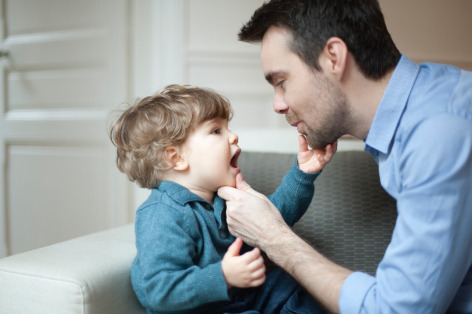
Earliest Signs of Autism Spectrum Disorder bangalore

Earliest Signs of Autism Spectrum Disorder (ASD)

By | Blog

Several children with autism spectrum disorder (ASD) show developmental differences, especially in their communication and social abilities when they are toddlers. However, since they tend to crawl and walk on time, similar to peers of their age, less evident inconsistencies in behaviors, gestures, expressions, as well as language delays, often remain unnoticed. In addition to speech and interactive differences, parents may also notice abnormalities in the way their child interacts with other kids and family members.

While the signs and symptoms of autism spectrum disorder differ, their effects also vary from one child to another. For instance, some children diagnosed with autism may only suffer from mild or minor impairments, whereas the others are likely to face significantly more challenges, especially in terms of developmental milestones. However, every child on the autism spectrum may experience problems to a certain degree, primarily in areas such as verbal and non-verbal communication, relating and interacting with their surroundings, as well as behavioral and emotional complications.

How to distinguish a child with ASD from other typically developing kids?

As a parent or caretaker, you are in one of the best positions to identify the earliest and even the most unnoticed warning signs of autism spectrum disorder. Children with typical patterns of development eagerly respond to social bids, such as waving ‘bye-bye’ while leaving or looking at where you are pointing. But, children with autism tend to look at your hand instead of where you’re pointing and rarely respond to social interaction bids.

Since you understand your child and their behavioral patterns better, you are more likely to spot discrepancies others may fail to see. As a result, it is imperative that you pay close attention to if or when your child accomplishes important emotional, social, and cognitive markers to effectively identify the problem at the earliest. However, it is also important to note that developmental delays might not only point to autism spectrum disorder but also specify a heightened risk. And here, the key is to inform and educate yourself to understand what’s typical and what’s unusual when it comes to your little one –

Social & Communication Differences:

  • Lack of interest in communicating or continuing a conversation
  • Less likely to point to objects or people
  • Unresponsive to their name being called
  • Little to no eye contact
  • Not talking as much as their peers
  • Difficulty in making friends
  • Unusual gaze or vision — might view objects from atypical angles
  • Highly sensitive or insensitive to sounds, odors, lights, and touch
  • Prefers repetitive routines and rituals (stimming) – apprehensive toward change
  • Anxious about social situations

How to distinguish if a child has autism

The earliest signs of autism may unfold between 9 to 16 months and can be fairly easy to miss. However, if not caught early, these symptoms can have an adverse impact on cognitive development, resulting in language, social, and behavioral deficits. Moreover, in certain cases, the earliest symptoms of autism can even be misread as signs of a ‘good child’ since the baby may appear undemanding, silent, and independent.

So, when you know what exactly to look for, you can effectively catch the warning signs early on – since they don’t involve the presence of atypical behaviors, but instead, the absence of typical ones –

  1. 6 – 9 Months – Children with autism spectrum disorder may not smile or show other joyful emotions that others babies their age tend to express. On the other hand, some children may show minimal facial expressions and smile very rarely, which could be an early sign of autism.
  2. 9 – 12 Months – A typically developing baby will turn when its name is called. Children with ASD, however, may not turn to respond even when their name is repeated multiple times. Babies are generally motivated to look at faces, but if it’s difficult to get your child to look at you, this is likely an early indication of autism.
  3. 12 – 18 Months – By this age, a typically developing child begins to ‘baby talk’ or babble in order to communicate, but this milestone will likely be hampered in children with autism. Moreover, there can also be an absence of back-and-forth gestures, including waving or pointing. They may also be unable to make up for the delay in talking or confine their speech to repeating words heard within their immediate surroundings.
  4. 18 – 24 Months – Babies learn to use words, sounds and gestures to let parents know what they want or don’t want. Children are also eager to interact with objects and people as a way to communicate or even garner attention. Since they are now capable of shifting their attention from one setting to another, this creates numerous opportunities for learning from social interactions. However, if your child insists on particular things being the same and tends to become really upset and agitated over unexpected changes or if it is difficult for him or her to use gestures as well as sounds while looking at you at the same time, these aspects could be a strong indication of autism spectrum disorder.

As concerned parents, you may have been asked not to worry or to even wait it out. However, waiting could by far be the most unhelpful thing to do, given the risk of losing crucial time at a tender age when your little one may have the best possible chances of improvement. Besides, it is highly unlikely that your kid might ‘grow out’ of the problems and challenges they face, whether caused by autism or other developmental concerns. And in this case, your child might require additional assistance as well as targeted treatments and therapies for autism, such as applied behavior analysis (ABA), cognitive behavior therapy (CBT), and early intervention.

Although every child develops at a pace different from the others, take a breather before you panic or worry if your kid is delayed to some extent in walking, talking, or reaching other developmental milestones. Nevertheless, if you do suspect a problem, make sure you share your concerns and apprehensions with your child’s pediatrician immediately – do not try out the ‘wait-and-watch’ approach. Sometimes, even doctors who mean well can misread red flags or under-evaluate the problem. So, make sure you listen to your instincts when you feel something is wrong, and continue to be persistent in seeking a second opinion or scheduling an appointment with a developmental specialist.

For more information, get in touch with our behavior analysts and trained professionals right here. We’re happy to assist you regarding any concerns you have about your child’s development needs and provide you with the best possible treatment options!
What are the Different Therapies for Autism?

What are the Different Therapies for Autism?

By | Blog

Autism spectrum disorder (ASD) is characterized as a developmental disability stemming from a combination of environmental and genetic or non-genetic influences. Children with ASD often have problems associated with social interaction or communication, in addition to different ways of paying attention, learning, and moving.

Since autism is a spectrum disorder, every child diagnosed with the condition possesses a distinct set of challenges and strengths. For instance, the manner in which individuals with autism think, learn, and solve problems may range from severely challenged to highly skilled and efficient. While some children with ASD may need intensive behavior intervention and support in order to complete day-to-day tasks, others will likely require relatively lesser support and, in some cases, can live independently as well.

Autism Diagnosis and Treatment

Autism Diagnosis and Treatment Bangalore

Diagnosing autism spectrum disorder (ASD) can be challenging since there exists no specific medical examination, such as a blood test, in order to identify the condition, according to the Centers for Disease Control and Prevention (CDC). As a result, physicians analyze the developmental and behavioral history of the child to make a diagnosis. In this regard, some of the common signs and indications of autism are:

  • Unprecedented reactions to sounds, sights, tastes, smells, and touch
  • Dependence on routines and rules
  • Difficulty in maintaining eye contact
  • Repetitive behaviors
  • Minimal interest in pretend play

Also, it is crucial to note that a child with autism spectrum disorder will not demonstrate all symptoms, and the signs may also vary in intensity.

Autism care is highly effective when started early with younger children, such as infants and toddlers experiencing developmental delays. Children diagnosed with autism spectrum disorder also have the best chance of utilizing the majority of their abilities if they obtain appropriate therapies and interventions. Moreover, research indicates that early diagnosis and interventions for autism, such as before or during preschool, can have significant positive influences on symptoms and future skills.

Therapies for Autism Spectrum Disorder (ASD) 

Presently, a standard therapy for treating autism spectrum disorder does not exist. However, studies have shown that medication is most functional when combined with behavioral therapies. Although various therapies have the potential to support children with autism, the treatment recommended for every child may differ based on personality, age, as well as a diverse range of abilities. It is also integral that autism treatment focuses on a child’s specific needs instead of the diagnostic label since an overlap in symptoms can emerge between ASD and other conditions, like attention deficit hyperactivity disorder (ADHD).

From understanding your child’s diagnosis to beginning a therapy program, there are several steps along the way. So, for starters, how do you choose from all the different therapies available for autism? Read on to find out –

  • Applied Behavior Analysis (ABA)

Considered a gold-standard treatment for autism and other developmental conditions, applied behavior analysis entails a type of therapy that can improve communication, social skills, and learning via reinforcement strategies. Applied behavior analysis for autism results in children communicating more effectively, learning to ask for things they want, showing more interest in those around them, and remaining more focused in school, among other developments. An added advantage of ABA therapy is that it can also be conducted at home. In fact, studies show that some children work best with in home ABA since they feel more comfortable and relaxed in an environment they’re familiar with.

  • Cognitive Behavioral Therapy (CBT)

Cognitive behavioral therapy for autism focuses on the connection between feelings, thoughts, and behaviors. It can also help children manage the challenges they face by helping them understand and recognize how their thoughts, behaviors, feelings, and emotions influence each other. Conventional CBT requires strong abstract thinking capabilities and linguistic skills. However, this can be challenging for children with autism. As a result, researchers have developed certain modifications to traditional behavior therapy, rendering it more ASD-friendly and making it more concrete, visual, and repetitive.

  • Early Intervention

As per research, early diagnosis and interventions for autism are more likely to have a positive long-term impact on ASD symptoms as well as future skill sets. Early intervention occurs at or before the child begins preschool, as early as 2 or 3 years of age. With early intervention, some autistic children make significant progress and are no longer on the autism spectrum when they are older. These programs typically include nutrition services, hearing impairment services, family training, and physical therapy as well.

  • Relationship Development Intervention (RDI)

Relationship development intervention teaches children with autism how to form bonds and fortify relationships with their parents, guardians, and other family members. Primarily recognized as a family-based therapy, the components of RDI for autism include social, psychological, and flexible thinking. While the child must learn to cope with difficult transitions, the parents also undergo training, thus becoming the child’s main therapist. At its core, RDI is a parent-led approach that concentrates on enabling autistic children to think flexibly, develop social skills, and learn to engage and build close relationships.

  • Speech and Language Therapy

Speech and language therapy plays a vital role in helping your child overcome social isolation while enhancing their understanding and use of communication. Often, it is also possible that a child with autism may have a comorbid diagnosis necessitating speech therapy. Here, it can be advantageous to integrate a therapy type that provides suitable treatments for both autism as well as the health condition. Speech therapy for autism can be highly beneficial; however, it may not be the most impactful strategy for children suffering from severe ASD.

  • Play Therapy

To many kids with autism spectrum disorder, playing is the way they best express themselves. In this regard, their actions, toys, and other play items become their words and manner of expression. Play therapy can significantly aid children with ASD connect with others, predominantly in a way they understand and feel comfortable with.

What’s Next?

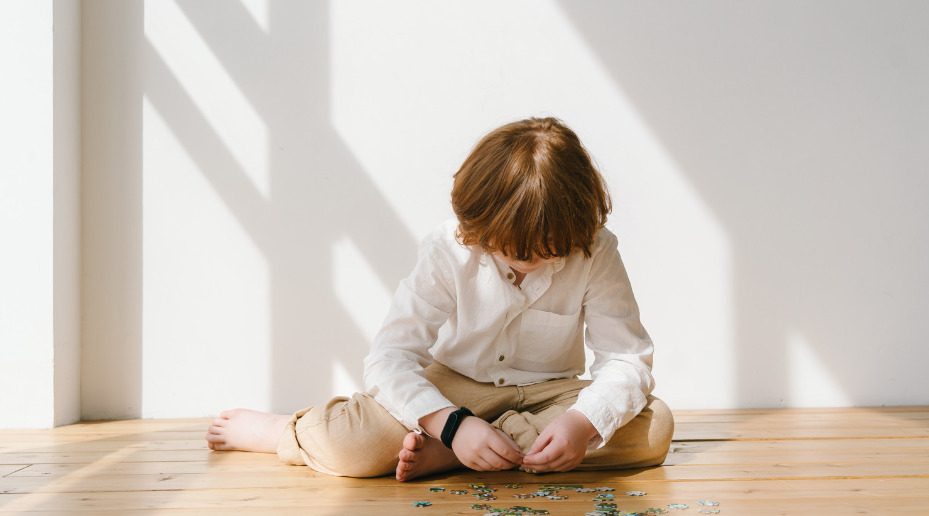
Child undergoing ABA Therapy

As demonstrated, numerous therapies can help children with autism enhance and strengthen their abilities to the best of their potential and reduce their symptoms. Although beginning therapy early, either before preschool or during, greatly improves the chances for success, it is never too late to start treatment.

And at Early Autism Services (EAS), we prioritize just that!

The curriculum in our well-designed program combines decades of research as well as years of experience in applied behavior analysis in order to provide children and parents with the best possible results. So if you’d like to learn more about the autism therapy services we offer, get in touch with us right away.

To Summarize

Here are some of the most effective therapies for autism available today

  • Applied Behavior Analysis (ABA)
  • Cognitive Behavioral Therapy (CBT)
  • Early Intervention
  • Relationship Development Intervention (RDI)
  • Speech and Language Therapy
  • Play Therapy

Infants and toddlers experiencing developmental delays benefit greatly from autism treatment when started early. In addition, children with autism spectrum disorder are more likely to be able to utilize their abilities if they receive appropriate therapies and interventions.