
";}
Monthly Archives

2 year old baby not talking red flags issue

2.5-Year-Old Baby Not Talking: Causes, Red Flags & Therapy Options

By | Blog | No Comments

You’ve circled the date on the calendar approximately 47 times. Your little one just turned 2.5, and while your best friend’s child won’t stop narrating their entire day like a tiny sports commentator, your toddler communicates mainly through pointing, grunting, and the occasional interpretive dance. Sound familiar?


Before you spiral into a Google rabbit hole at 2 AM (we see you), take a breath. You’re not alone, and you’ve already taken the most important step by seeking information. Let’s walk through what’s happening, what to watch for, and most importantly, how to help your child find their voice.


Understanding Speech Delays: The Numbers Tell a Story

understanding speech delays

According to the American Speech-Language-Hearing Association, approximately 10-15% of 2-year-olds experience some form of speech or language delay. By age 2.5, most children typically use 200-300 words and combine them into simple sentences like “more juice” or “go outside.”


But here’s the thing. Child development isn’t a competition, and timelines aren’t one-size-fits-all. That said, significant delays warrant attention, and early intervention therapy can make a world of difference.


What Should a 2.5-Year-Old Be Saying?

what should a 2 year old child be speaking

Let’s establish some developmental milestones. By 30 months, children generally:


  • Use 200-300 words in their vocabulary
  • Combine 2-3 words into simple phrases
  • Follow two-step directions (“Get your shoes and bring them here”)
  • Name familiar objects and people
  • Be understood by familiar caregivers about 50-75% of the time


If your child isn’t meeting several of these markers, it’s time to dig deeper.


Ready to understand where your child stands? Schedule a free consultation with our child development therapy experts today.


Common Causes of Speech Delays


  1. Hearing Issues


Sometimes the simplest explanation is the right one. Recurrent ear infections or fluid buildup can muffle sounds, making it difficult for children to learn speech patterns. Research and studies indicate that approximately 3 in 1,000 babies are born with hearing loss, while many more develop issues later.


  1. Oral-Motor Problems


Conditions affecting the tongue, palate, or oral muscles can impact speech production. This is where occupational therapy for kids and feeding therapy for kids often intersect, as both address oral-motor coordination.


  1. Autism Spectrum Disorder (ASD)


Research indicates that approximately 25-30% of children with autism are minimally verbal. Speech delays combined with other developmental differences may signal ASD, which responds remarkably well to early, intensive intervention.


  1. Developmental Language Disorder


Some children have specific difficulties processing and producing language despite typical development in other areas. This neurological difference affects approximately 7% of children, according to recent studies.


  1. Limited Language Exposure


Children learn through interaction. Excessive screen time (the American Academy of Pediatrics recommends no more than one hour of quality programming for 2-5 year-olds) or limited conversational opportunities can slow language acquisition.


  1. Childhood Apraxia of Speech


This motor speech disorder makes it difficult for children to coordinate the movements needed for speech. Early speech therapy combined with occupational therapy near me searches can connect you with specialists who understand this condition.


Red Flags: When to Take Action


Trust your parental intuition, but also watch for these concerning signs of speech delay:


  • No babbling or cooing by 12 months
  • No single words by 16 months
  • Fewer than 50 words by age 2
  • No two-word combinations by 2.5 years
  • Loss of previously acquired speech or social skills (a critical red flag for autism)
  • Not responding to their name consistently
  • Limited eye contact or social engagement
  • Difficulty following simple instructions
  • Preference for repetitive play over interactive activities
  • Sensory issues in children like extreme reactions to sounds, textures, or lights


One parent described it perfectly: “It wasn’t just that he wasn’t talking. It was like he was living in his own little world, and we didn’t have the key to get in.” 


And if this resonates, don’t wait.


Concerned about what you’re seeing? Our expert team can provide clarity. Book your free assessment now.


The Power of Early Speech Therapy


Here’s the golden truth backed by decades of research: early intervention works. A landmark study found that children who received therapy before age 3 showed significantly better outcomes than those who started later.


Why Speech Therapy Opens Doors


When parents ask “how can speech therapy help my child,” the answer is beautifully simple: it gives children the tools to connect with their world. Speech therapy isn’t just about pronunciation, but about deeply exploring your child’s ability to express needs, share emotions, and build relationships.


Think of it this way: instead of focusing on what your child can’t say, speech therapy systematically builds on the sounds and gestures they can make, celebrating every milestone. Even the tiny ones that might seem insignificant to outsiders but feel like winning the lottery to you.


How Does Speech Therapy Work?


Speech therapy benefits children by breaking down communication into achievable steps. A licensed speech-language pathologist (SLP) creates individualized programs targeting your child’s specific needs, whether that’s articulation, language comprehension, or expressive communication.


For a non-verbal 2.5-year-old, this might look like:


– Encouraging imitation of sounds through playful activities

– Building requesting skills using gestures, sign language, then words

– Creating communication-rich environments during natural routines

– Using your child’s favorite toys and activities as motivation

– Incorporating oral-motor exercises to strengthen speech muscles

– Implementing progress monitoring to adjust strategies


The beauty of speech therapy? It meets children exactly where they are. No judgment, no pressure. Just consistent, compassionate teaching that transforms grunts and points into meaningful communication.


The Multi-Therapy Approach


While speech therapy forms the foundation, many children benefit from complementary therapies:


Speech Therapy targets specific communication challenges, from articulation to language comprehension. Speech-language pathologists work on everything from making first sounds to building complex sentences.


Occupational Therapy for kids addresses sensory integration therapy needs, fine motor skills activities, and gross motor skills therapy. Many children with speech delays also have sensory processing disorder therapy needs—they might struggle with textures, sounds, or movement, which impacts their overall development.


ABA Therapy benefits children by breaking down complex skills into manageable steps. A BCBA designs individualized programs that use positive and negative reinforcement ABA therapy techniques to encourage desired behaviors and communication.

early autism ventures bangalore best autism treatment centreAt Early Autism Ventures, we understand that therapy for neuro developmental kids isn’t one-size-fits-all. That’s why our comprehensive approach integrates speech therapy, ABA therapy, and occupational therapy for kids under one roof, with therapists who communicate and collaborate on your child’s progress.


Real Speech Therapy Progress: What to Expect During Speech Therapy?


Let’s be honest. No one waves a magic wand. Speech therapy progress takes consistency and time. But here’s what research shows:


  • Children receiving consistent speech therapy sessions (typically 2-5 times weekly) combined with home practice show the most significant gains
  • The communication strategies learned in speech therapy help children express themselves across all environments, including home, school, and play
  • Regular progress monitoring ensures your child’s program evolves with their needs and celebrates emerging skills
  • Most families start seeing meaningful changes within 3-6 months, though every child’s timeline is unique


One mother shared: “After three months of speech therapy at EAV, my son started pointing to request things. It sounds small, but it was communication. Six months later, he said ‘mama’ for the first time. I ugly-cried for an hour.”

Another father told us: “For two years, my daughter would just scream or throw a fit when she wanted something. The tantrums were heartbreaking because I knew she was frustrated, but I felt so helpless. After around four months of speech therapy at EAV, she started using simple signs for ‘more’ and ‘help.’ Then one day at breakfast, clear as day, she said ‘juice.’ My wife and I just froze, looked at each other, and both started laughing and crying at the same time. Our family members probably thought we’d won the lottery. In a way, we had.”


These moments? They’re why we do this work. Whether your child begins with single sounds, progresses to words, or develops alternative communication methods, each step forward is a victory worth celebrating.​​​​​​​​​​​​​​​​


How Early Autism Ventures Supports Your Family


Early Autism Ventures (EAV) isn’t just another therapy center. We’re your partners in this journey. Here’s what makes our approach different:


  • Comprehensive Assessment: Our BCBA team conducts thorough speech evaluations to understand your child’s unique profile.


  • Individualized Programming: We design customized speech therapy programs that incorporate your child’s interests, learning style, and family goals. Whether your child needs sensory integration therapy, motor planning activities, or balance and coordination therapy, we address it all.


  • Evidence-Based Excellence: Our autism speech therapy protocols are grounded in research, with continuous ABA progress monitoring to ensure we’re moving in the right direction.


  • Family-Centered Care: We provide parent training and OT home programs for kids because you’re the most important teacher in your child’s life. Our behavioral and sensory regulation strategies extend beyond our walls into your daily routines.


  • Collaborative Spirit: Our multidisciplinary team, including BCBAs, speech therapists, and occupational therapists, meets regularly to discuss your child’s progress, ensuring cohesive, coordinated care.


The positive reinforcement culture at EAV extends to families too. We celebrate your courage in seeking help, acknowledge the hard days, and cheer loudly for every victory.


Taking the Next Step


If you’re reading this at 2 AM (called it!), here’s your action plan:


  1. Trust your instincts. If something feels off, pursue evaluation
  2. Schedule hearing and developmental screenings. It’s time to rule out medical issues
  3. Connect with specialists. BCBAs, speech therapists, and occupational therapists can provide answers you’re looking for
  4. Start early, because every week matters in early intervention therapy
  5. Stay hopeful. Children are remarkably resilient and capable


Research from the National Institute on Deafness and Other Communication Disorders confirms what we see daily: with appropriate intervention, many children with speech delays catch up to their peers or develop effective alternative communication methods.


Your Child’s Journey Starts Now

Your 2.5-year-old may not be talking yet, but their story is just beginning. With the right support, i.e., combining speech therapy benefits, ABA therapy, and occupational therapy for kids, your child can develop the communication skills they need to connect with you and their world.


At Early Autism Ventures, we’ve walked this path with hundreds of families. We understand the midnight worries, the comparison traps, and the fierce love that brought you here. We also know the incredible potential within your child, waiting to be unlocked through evidence-based therapy and unwavering support.


Don’t let another day pass wondering “what if?” Early intervention therapy provides the best outcomes, and our team is ready to support your family every step of the way.


Schedule your free consultation with Early Autism Ventures today. Our Board Certified Behavior Analysts (BCBAs) will answer your questions, assess your child’s needs, and create a personalized roadmap for progress.


Click here to schedule your free consultation now—because every child’s voice matters, even when it’s still developing.


Child Development ABA Therapy

How Child Development Therapy Transforms Everyday Skills for Children with Autism

By | Blog | No Comments

Your child finally zips their jacket independently, or they sit through dinner without sensory overload, or they write their name for the first time. These moments that might seem small to others? 


They’re absolute victories for parents navigating the autism journey. And behind many of these breakthroughs is something powerful: child development therapy working its quiet magic.


If you’re a parent of a child with autism, you already know that everyday tasks can feel like climbing mountains. But here’s the good news, with the right support through ABA therapy, occupational therapy for kids, and targeted interventions, those mountains become manageable hills. 


Let’s dive into how these therapies actually work and why they’re game-changers for your child’s independence.


What Exactly Is Child Development Therapy?


Child development therapy is an umbrella term covering various evidence-based interventions designed to help children develop essential life skills. For children with autism, this typically includes autism ABA therapy, pediatric occupational therapy, sensory integration therapy, and early intervention therapy.


According to research, intensive early intervention can lead to significant improvements in adaptive behavior and daily living skills, with some children showing gains of up to 17 standard score points in adaptive functioning.


Think of it as building a toolbox, except instead of hammers and screwdrivers, we’re equipping kids with skills like tying shoelaces, managing emotions, and yes, even that dreaded handwriting practice.


Ready to see how therapy can transform your child’s daily life? Schedule a free consultation with our specialists today.


How Does ABA Therapy Work?


ABA therapy (Applied Behavior Analysis) isn’t just about managing behaviors, it’s about teaching skills in a way that sticks. But how does ABA therapy work exactly?


At its core, ABA therapy uses positive reinforcement to encourage desired behaviors. When your child successfully completes a task, like putting on their shoes or asking for help appropriately, they receive immediate praise or rewards. This positive reinforcement strengthens the likelihood they’ll repeat that behavior.


But here’s where it gets nuanced: positive and negative reinforcement ABA therapy work together strategically. Positive reinforcement adds something pleasant (like praise or a preferred activity), while negative reinforcement removes something unpleasant (like reducing a challenging demand after task completion). A BCBA (Board Certified Behavior Analyst) carefully designs these interventions based on your child’s unique needs.


The beauty of ABA therapy benefits? They’re measurable. Through consistent ABA progress monitoring, therapists track improvements in communication, self-care, social skills, and academic readiness. Also, studies confirm that children receiving intensive ABA therapy show significant improvements in intellectual functioning, language development, and daily living skills.


The Sensory Puzzle: Understanding Sensory Integration Therapy


Let’s talk about sensory issues in children with autism. You know that moment when the tag in your child’s shirt causes a complete meltdown? Or when the cafeteria noise makes school unbearable? That’s sensory processing in action, or rather, in overdrive.


Sensory integration therapy helps children process and respond to sensory information more effectively. Through carefully designed activities, pediatric occupational therapy specialists work on behavioral and sensory regulation, helping kids tolerate different textures, sounds, and environments.


Research shows that children receiving OT for autism demonstrate improved participation in daily activities, with 67% showing clinically significant progress in sensory processing within 10-12 weeks of intervention.


At Early Autism Ventures (EAV), our occupational therapist in Madhapur/Hyd team specializes in creating individualized sensory profiles for each child, addressing sensory processing disorder therapy needs with evidence-based approaches.


Building Blocks: Fine and Gross Motor Skills Development


Here’s something that might surprise you: learning to button a shirt involves approximately 15 different motor planning steps. No wonder it’s tricky!


Fine motor skills activities focus on those small muscle movements, writing, cutting, buttoning, and self-feeding. Meanwhile, gross motor skills therapy targets larger movements like running, jumping, and balance and coordination therapy. Both are essential for school readiness skills.


Through motor planning activities, therapists break complex tasks into manageable steps. This process, combined with the structured approach of ABA therapy, creates powerful learning opportunities. The ABA therapy progress in motor skills development typically becomes visible within 8-12 weeks of consistent intervention.


One parent recently shared: “My son couldn’t hold a pencil at age five. Six months into therapy at EAV, he’s drawing recognizable shapes. It’s like watching a flower bloom in fast-forward.” (Not gonna lie, we got a little teary reading that.)


Want to know what progress looks like for your child? Connect with our BCBA team for a personalized assessment.


The Handwriting Challenge: More Than Just Pretty Letters

handwriting improvement with ABA therapy

Let’s be real: handwriting improvement therapy often feels like the boss level of childhood skills. It requires visual-motor integration, sustained attention, proper pencil grip, and bilateral coordination, all while sitting still.


Through specialized pediatric occupational therapy techniques, children learn proper letter formation, spatial awareness on paper, and the endurance to complete writing tasks. An OT assessment for children identifies specific barriers, maybe it’s muscle weakness, visual tracking issues, or sensory sensitivity to the pencil texture.


The National Center for Learning Disabilities reports that structured occupational therapy interventions improve handwriting legibility by an average of 40% within one academic year.


Daily Living Skills: The Ultimate Independence Goals


This is where everything comes together. ADL training (Activities of Daily Living) covers the essentials: dressing, grooming, eating, and toileting. These skills are the gateway to independence, and they’re primary targets in both autism ABA therapy and occupational therapy for kids.


The systematic approach of ABA therapy shines here. By using task analysis, positive reinforcement, and careful ABA progress monitoring, therapists teach each component of complex routines. The BCBA designs programs that gradually fade prompts, moving children toward independent completion.


According to data, children who receive comprehensive early intervention including ABA and occupational therapy demonstrate 47% greater independence in daily living skills compared to those receiving limited services.


At EAV, our therapy for neuro developmental kids integrates feeding therapy for kids for those facing mealtime challenges, addressing both the sensory and behavioral components that make eating difficult.


Why Early Intervention Therapy Changes Everything


Here’s the truth bomb: timing matters. A lot. Early intervention therapy leverages neuroplasticity, that amazing ability of young brains to form new connections. The earlier intervention begins, the more significant the potential gains.


Research also emphasizes that early, intensive intervention during preschool years can significantly improve outcomes. Children who begin child development therapy before age three often require less intensive services later in childhood.


Don’t wait to give your child the best start. Our early intervention specialists are ready to help, schedule your free consultation now.


Real talk: therapy doesn’t stop when the session ends. An effective OT home program for kids extends learning into everyday routines, and that’s where EAV shines.


Our team creates customized home programs that integrate seamlessly into your family’s life. Whether it’s turning bath time into a sensory activity or practicing fine motor skills activities during breakfast prep, we make therapy part of life, not separate from it.


The ABA therapy benefits multiply when parents become co-therapists, reinforcing skills throughout the day. Our BCBA team provides thorough parent training, ensuring you understand not just what to do, but why, and how does ABA therapy work in your specific home environment.


Finding the Right Support: Occupational Therapy Near Me


Searching “occupational therapy near me” can feel overwhelming. You want specialists who understand autism, use evidence-based practices, and actually connect with your child. (And maybe don’t charge your insurance deductible before the first hello.)


At Early Autism Ventures, our Madhapur, Hyderabad location offers comprehensive services under one roof: autism ABA therapy delivered by experienced BCBAs, pediatric occupational therapy, sensory integration therapy, and feeding therapy for kids. This integrated approach means your child’s team actually talks to each other, revolutionary concept, right?


How Early Autism Ventures Makes the Difference


At EAV, we’re not just service providers, we’re your partners in this journey. Our team of certified professionals, including BCBAs and experienced occupational therapists, brings both expertise and genuine compassion to every session.


What sets us apart:


  • Individualized treatment plans: No cookie-cutter approaches here. We assess, design, and continuously adapt programs based on your child’s unique profile and your family’s goals.
  • Evidence-based practices: Every intervention we use is backed by research. We stay current with the latest developments in child development therapy, sensory processing disorder therapy, and autism ABA therapy.
  • Comprehensive services: From your initial OT assessment for children through ongoing therapy and parent training, we provide seamless support.
  • Family-centered approach: We recognize that you’re the expert on your child. Our therapists collaborate closely with families, providing education, support, and that OT home program for kids to maximize progress.
  • Transparent progress tracking: Through detailed ABA progress monitoring and regular parent meetings, you’ll always know where your child stands and what we’re working toward next.


Our occupational therapist in Madhapur/Hyd team specializes in the full spectrum of pediatric needs, from sensory integration therapy and gross motor skills therapy to school readiness skills and behavioral and sensory regulation.


Take Action Today!


At Early Autism Ventures, we have the expertise, the heart, and the proven approaches to help your child master those everyday skills that lead to extraordinary independence.


Don’t let another day go by wondering what’s possible. Our team is ready to conduct a comprehensive assessment, design a personalized treatment plan, and start your child on the path to success.


Schedule your free consultation with Early Autism Ventures today


Call us, WhatsApp us, or visit our center, we’re here and ready to help your child thrive. Because every child deserves the chance to button their own shirt, write their own story, and build their own beautiful, independent life. Let’s start building that future together.

Occupational Therapy services for your child in Bangalore

Occupational Therapy & Child Development: Your Complete Guide to Building Essential Life Skills

By | Blog | No Comments

Every parent dreams of watching their child tie their shoelaces independently, write their name with pride, or navigate a playground with confidence. But what happens when these everyday milestones feel like climbing Mount Everest? That’s where occupational therapy for kids becomes a game-changer.


If you’re a parent navigating the world of child development, especially if your child is diagnosed with autism, you’ve probably heard terms like sensory integration therapy, speech therapy, fine motor skills activities, and ABA therapy thrown around. 


Today, we’re breaking down exactly how pediatric occupational therapy works alongside autism ABA therapy to help your child thrive. And yes, we’ll keep it light, informative, and packed with real solutions because you deserve clarity, not confusion.


Ready to see how occupational therapy can transform your child’s development? Schedule a free consultation with Early Autism Ventures today!


What Exactly Is Occupational Therapy for Kids?

Occupational Therapy Children with Autism

Think of occupational therapy for kids as a superhero training program for everyday life. While it sounds formal, OT is really about helping children master the “occupations” of childhood: playing, learning, eating, dressing, and interacting with the world around them.


Pediatric occupational therapy addresses challenges like:


  • Sensory issues in children (those kids who can’t stand clothing tags or avoid messy play)
  • Fine motor skills activities (buttoning shirts, using scissors, holding a pencil)
  • Gross motor skills therapy (running, jumping, balance)
  • Feeding therapy for kids (picky eaters or those with oral sensory sensitivities)
  • Handwriting improvement therapy and school readiness skills


According to research, early intervention therapy can significantly improve developmental outcomes, with children receiving services before age 3 showing remarkable progress in cognitive and motor skills.


The Magic Connection: OT for Autism and ABA Therapy


Here’s where things get really interesting. OT for autism and ABA therapy are like peanut butter and jelly. Fantastic individually, but absolutely transformative together.


ABA therapy (Applied Behavior Analysis) focuses on teaching new skills and reducing challenging behaviors through positive reinforcement. A BCBA (Board Certified Behavior Analyst) designs individualized programs that break down complex skills into manageable steps. 


When combined with occupational therapy, children receive comprehensive support that addresses both behavioral and developmental needs.


Research consistently shows that combining OT and ABA therapy leads to significantly better outcomes in adaptive functioning compared to either therapy alone.


How Does ABA Therapy Work with Occupational Therapy?

how does aba therapy work with occupational therapy

Let’s paint a picture: Your child struggles with getting dressed (an OT goal) but also becomes upset during transitions (an ABA target). An integrated approach might look like this:


– The occupational therapist works on motor planning activities and adaptive dressing techniques

– The BCBA implements positive and negative reinforcement ABA therapy strategies to encourage independence and manage frustration

– Both track ABA progress monitoring to adjust interventions

– Parents learn strategies through an OT home program for kids


This teamwork creates magic. (Okay, science. But it feels like magic when your child suddenly zips their jacket independently!)


Want to learn how integrated therapy can help your child? Connect with our expert team at Early Autism Ventures now!


Understanding Sensory Processing: The Foundation of Development


Ever wonder why your child melts down in crowded grocery stores or refuses to wear certain textures? Welcome to the world of sensory processing disorder therapy.


Sensory issues in children affect how they process information from their environment. About 1 in 20 children experiences sensory processing challenges, according to research. For children with autism, this number jumps to 90%.


Essentially, sensory integration therapy helps children:


– Regulate responses to sensory input

– Develop behavioral and sensory regulation skills

– Improve focus and attention

– Reduce anxiety in overwhelming environments


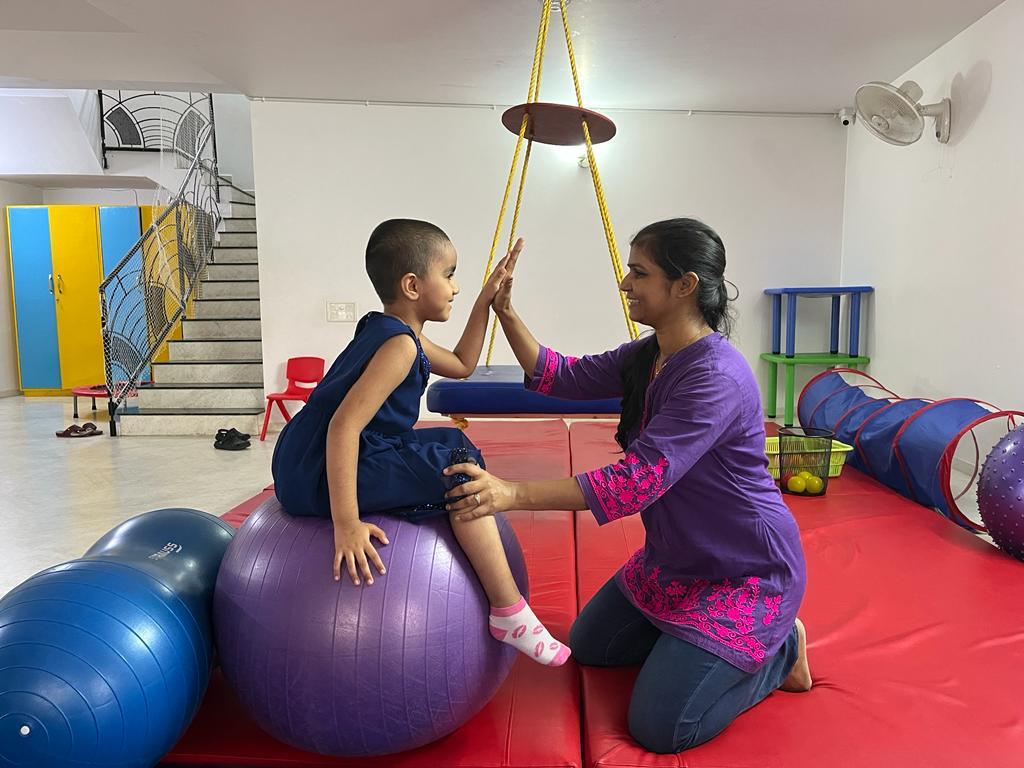
At Early Autism Ventures (EAV), our therapists use evidence-based sensory integration therapy techniques alongside ABA therapy benefits to create comprehensive treatment plans. We’ve seen children go from avoiding playground equipment to confidently navigating obstacle courses—all through consistent, individualized support.


Breaking Down Motor Skills: Fine, Gross, and Everything In Between


Motor skills are the building blocks of independence. Let’s explore both types:


  • Fine Motor Skills Activities


These involve small muscle movements. Think buttoning, writing, using utensils, or manipulating toys. Fine motor skills activities might include:


– Playdough manipulation

– Bead threading

– Cutting with scissors

– Handwriting improvement therapy exercises


  • Gross Motor Skills Therapy


These involve large muscle groups for movements like running, jumping, and climbing. Balance and coordination therapy addresses:


– Core strength

– Bilateral coordination

– Motor planning activities

– Spatial awareness


Studies also indicate that structured gross motor skills therapy improves not just physical abilities but also cognitive function and social participation. When children feel confident in their bodies, everything else falls into place.


Curious about how motor skills therapy could help your child? Book your free consultation with EAV today!


The ABA Therapy Benefits You Need to Know

Occupational Therapy Early Autism Services

Let’s talk specifics about ABA therapy benefits and how does ABA therapy work in conjunction with occupational therapy:


Positive reinforcement is the cornerstone of effective ABA. When your child successfully completes a task, whether it’s writing their name or sitting appropriately at the dinner table, they receive immediate, meaningful reinforcement. This could be praise, access to a preferred activity, or a tangible reward.


ABA therapy progress is measured through systematic data collection and ABA progress monitoring. Unlike subjective assessments, you’ll see concrete evidence of growth through graphs, charts, and measurable objectives.


The positive and negative reinforcement ABA therapy framework teaches children what behaviors lead to desired outcomes while reducing behaviors that don’t serve them well. And here’s the best part—these skills generalize beyond the therapy room into real life.


Real-Life Success: What Integrated Therapy Looks Like


Meet Arjun (name changed for privacy), a 5-year-old who came to Early Autism Ventures struggling with sensory issues in children, limited communication, and difficulty with self-care tasks. His parents were searching for an occupational therapist in Vijaywada who understood autism.


Through combined pediatric occupational therapy and autism ABA therapy:


– Month 1-2: OT assessment for children identified sensory sensitivities; BCBA developed behavior intervention plan

– Month 3-4: Introduced feeding therapy for kids for mealtime challenges; implemented positive reinforcement for trying new foods

– Month 5-6: Focused on fine motor skills activities and handwriting improvement therapy

– Month 7-8: Added balance and coordination therapy; improved motor planning activities


Today, Arjun participates in regular classroom activities, feeds himself independently, and even enjoys playground time—activities that once seemed impossible. His ABA therapy progress reports show measurable gains across all domains.


Your child deserves this kind of transformation. Schedule your free consultation with EAV now!


Searching for “occupational therapy near me” can feel overwhelming. Here’s what to look for:


  1. Credentials: Ensure therapists are licensed and experienced in therapy for neurodevelopmental kids
  2. Integrated approach: Look for centers offering both OT and ABA therapy
  3. Family involvement: Quality programs include OT home program for kids training for parents
  4. Evidence-based practices: Therapists should use research-backed interventions
  5. Progress tracking: Regular ABA progress monitoring and communication


Early Autism Ventures checks all these boxes and more. Our team includes experienced occupational therapists and BCBA (Board Certified Behavior Analyst) professionals who collaborate seamlessly to support your child’s unique needs.


At Early Autism Ventures, our comprehensive approach includes:

– Individualized assessment: Thorough OT assessment for children and behavioral evaluations

– Integrated treatment plans: Seamlessly combining child development therapy with ABA therapy benefits

– Expert team: Licensed occupational therapists and certified BCBAs working together

– Parent training: Empowering you with OT home program for kids strategies

– Evidence-based practices: Using proven techniques in sensory integration therapy, feeding therapy for kids, and behavioral interventions

– Progress monitoring: Transparent ABA progress monitoring so you always know where your child stands


We specialize in addressing sensory processing disorder therapy, developing school readiness skills, improving fine motor skills activities and gross motor skills therapy, and implementing effective behavioral and sensory regulation strategies.


Whether you’re in Vijaywada or surrounding areas, we’re here to support your family with compassionate, comprehensive care.


Understanding how does ABA therapy work, the power of positive reinforcement, and the importance of addressing sensory issues in children is just the beginning. Taking action is what creates real change.


So, don’t wait another day to give your child the support they deserve. Schedule your free consultation with Early Autism Ventures today and discover how integrated occupational therapy and ABA therapy can transform your child’s development. 


Call us or schedule a FREE consultation now because every milestone matters, and we’re here to help your child achieve them all.