
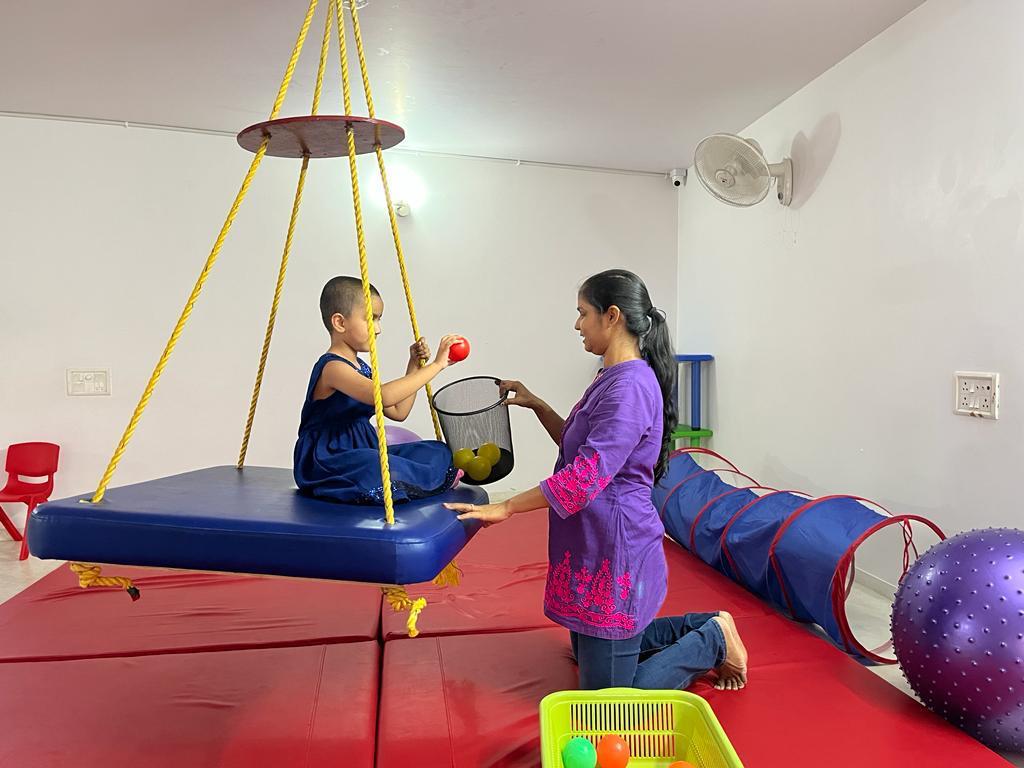
Children learn best in environments where they feel confident, organised, and supported. But for many students, especially those with developmental delays, Autism Spectrum Disorder (ASD), ADHD, learning difficulties, or sensory differences—the classroom can feel overwhelming. This is where Occupational Therapy (OT) becomes transformative. Occupational therapists help children build skills they need for everyday school activities such as writing, sitting upright, listening, focusing, completing tasks, social interaction, and self-regulation.
In this article, we’ll explore how occupational therapy boosts classroom success, why schools value OT intervention, and how centres like Early Autism Ventures support children to thrive academically and socially.
What Is Occupational Therapy in a School Context?
Occupational therapy helps children participate in the “occupations” of their daily lives. For students, the main occupation is learning.
OT focuses on strengthening:
-
Motor skills required for writing, cutting, and drawing
-
Sensory regulation for concentration and calm behaviour
-
Executive functioning: planning, memory, organisation
-
Social and emotional skills needed for group activities
-
Independence in daily routines, such as feeding or toileting
-
Self-esteem and confidence during classroom tasks
Through structured programmes, occupational therapists reduce barriers that interrupt learning, and help teachers understand a child’s needs more clearly.
How Occupational Therapy Boosts Classroom Performance

1. Improves Handwriting & Fine Motor Skills
Many children struggle with handwriting because of weak grip strength, poor pencil control, or incorrect posture.
OT targets:
-
pencil grasp
-
hand strength
-
letter formation
-
spacing
-
visual-motor coordination
As handwriting improves, so does speed, neatness, exam performance, and confidence.
2. Enhances Focus & Attention
Children with sensory or executive functioning challenges may find it difficult to sit still or pay attention.
Occupational therapy teaches self-regulation strategies such as:
-
sensory breaks
-
fidget tools
-
structured routines
-
visual schedules
-
movement-based seating options
These approaches help students stay attentive and productive throughout the school day.
3. Builds Strong Sensory Processing Skills
Classrooms are full of sensory triggers: lights, sounds, textures, crowds, smells.
Students who cannot process sensory input may shut down, become restless, or get frustrated.
OT offers sensory integration therapy to help children:
-
handle multiple sensory inputs
-
react appropriately to noise
-
tolerate textures and clothing
-
stay calm under pressure
This leads to better participation in class activities.
4. Strengthens Gross Motor & Postural Stability
Posture impacts writing, reading, speech, and breathing.
OT builds core strength and balance that students need to:
-
sit upright in class
-
play in sports
-
participate safely in PE
-
carry school bags
-
move confidently in hallways
Good body control reduces fatigue and improves classroom performance.
5. Supports Emotional & Social Development
School success is not only academic; it is social.
Students may struggle with:
-
sharing
-
turn-taking
-
conflict resolution
-
communicating needs
-
group participation
Occupational therapists use play-based methods to teach cooperation, self-expression, and confidence—skills essential for healthy peer relationships.
6. Encourages Independence & Daily Living Skills
OT helps children become more independent with classroom tasks like:
-
managing belongings
-
organising notebooks
-
tying shoelaces
-
lunch routines
-
following instructions
Independence boosts self-worth and reduces teacher dependency.
Why Occupational Therapy Matters in Early Childhood

Early intervention builds strong neural connections during the most important developmental years. Children who receive OT early often show:
-
faster learning
-
better language development
-
smoother transition to school
-
enhanced academic outcomes
For many children, early therapy prevents future challenges from becoming permanent obstacles.
Occupational Therapy & Autism: A Strong Connection
Children with Autism commonly benefit from OT because it supports:
-
sensory integration
-
language development
-
flexible thinking
-
emotional regulation
-
motor planning
-
daily functioning
With structured therapy, autistic students can achieve classroom goals at their own pace and learning style.
How Occupational Therapists Collaborate With Schools
Effective OT support happens when therapists work closely with teachers and parents. Collaboration includes:
-
classroom observations
-
customised learning plans
-
teacher training
-
progress tracking
-
home programmes
This whole-child approach ensures consistent progress across environments.
Classroom Outcomes After Occupational Therapy
Research and real-world results show improvements in:
-
handwriting
-
concentration
-
problem-solving
-
handwriting speed
-
behavioural regulation
-
academic confidence
-
class participation
These changes build a strong foundation for lifelong learning success.
Why Parents Choose Early Autism Ventures
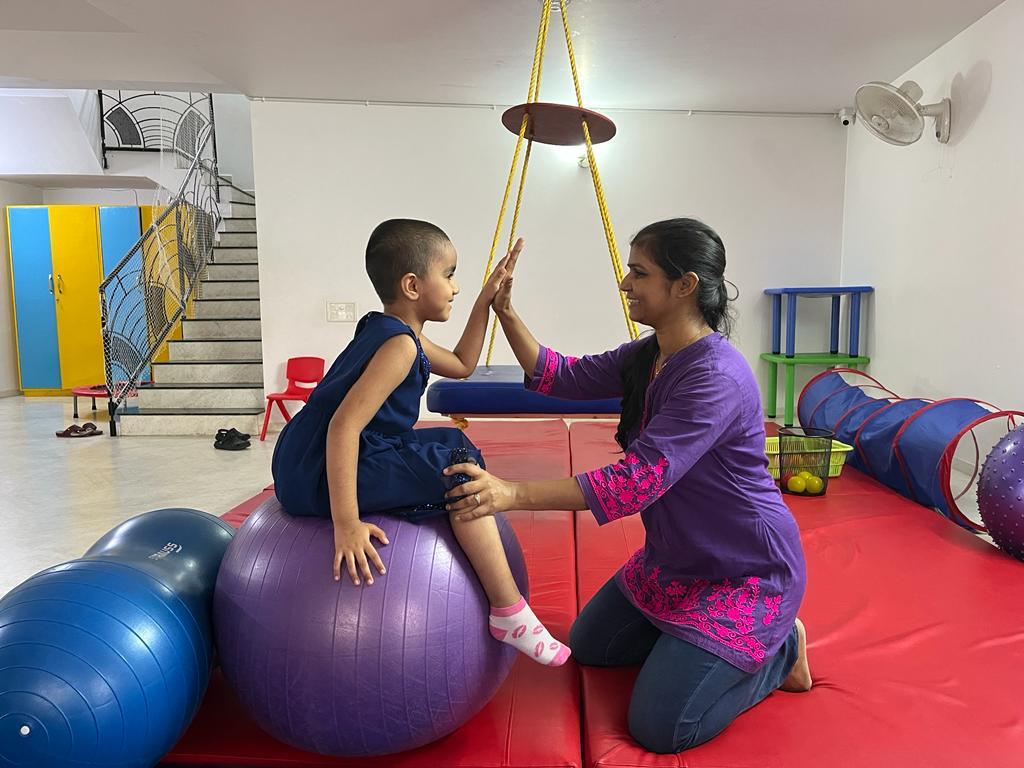
At Early Autism Ventures, we offer:
-
personalised occupational therapy plans
-
sensory integration programmes
-
ABA-driven learning models
-
one-on-one and group sessions
-
parent training and feedback
-
child-friendly environments
-
evidence-based intervention
Our goal is to help every child reach their highest learning potential.
When to Consider Occupational Therapy for Your Child
Parents should explore OT if a child:
-
avoids writing or drawing
-
shows poor balance or posture
-
struggles to sit still
-
has sensory sensitivities
-
has unclear speech and motor planning issues
-
struggles academically despite effort
-
has difficulty with routine tasks
-
displays frustration or anxiety in classroom settings
Early evaluation is the first step to finding answers.
Final Thoughts
Occupational Therapy has become an essential part of modern education systems. By supporting physical, sensory, emotional, and cognitive development, OT allows children to learn more effectively and confidently.
When the right therapeutic strategies are introduced at the right time, students not only succeed in the classroom—they begin to enjoy school, socialise better, communicate confidently, and develop lifelong skills.
If you are looking for professional occupational therapy support for your child, Early Autism Ventures can help.
Book a Consultation
Get expert guidance and personalised intervention plans for your child’s school success by filling the enquiry form here