If you’ve ever watched your child struggle to tie their shoelaces while simultaneously narrating an entire Marvel movie plot, you know that kids’ brains work in mysterious (and wonderfully chaotic) ways. But what if there were simple, playful exercises that could help your child focus better, write more clearly, and actually find their homework instead of insisting it vanished into another dimension?
Enter Brain Gym therapy – and no, it doesn’t involve tiny dumbbells for your child’s brain (though that would be adorable).
What Exactly Is Brain Gym Therapy?
Brain Gym is a program of physical movements designed to enhance learning and performance. Developed by educators Dr. Paul Dennison and Gail Dennison in the 1980s, it’s based on the principle that movement is essential to learning. Research published found that movement-based interventions like Brain Gym can significantly improve children’s cognitive performance and academic achievement.
Think of it as yoga meets occupational therapy meets a really fun PE class – minus the dodgeball trauma.
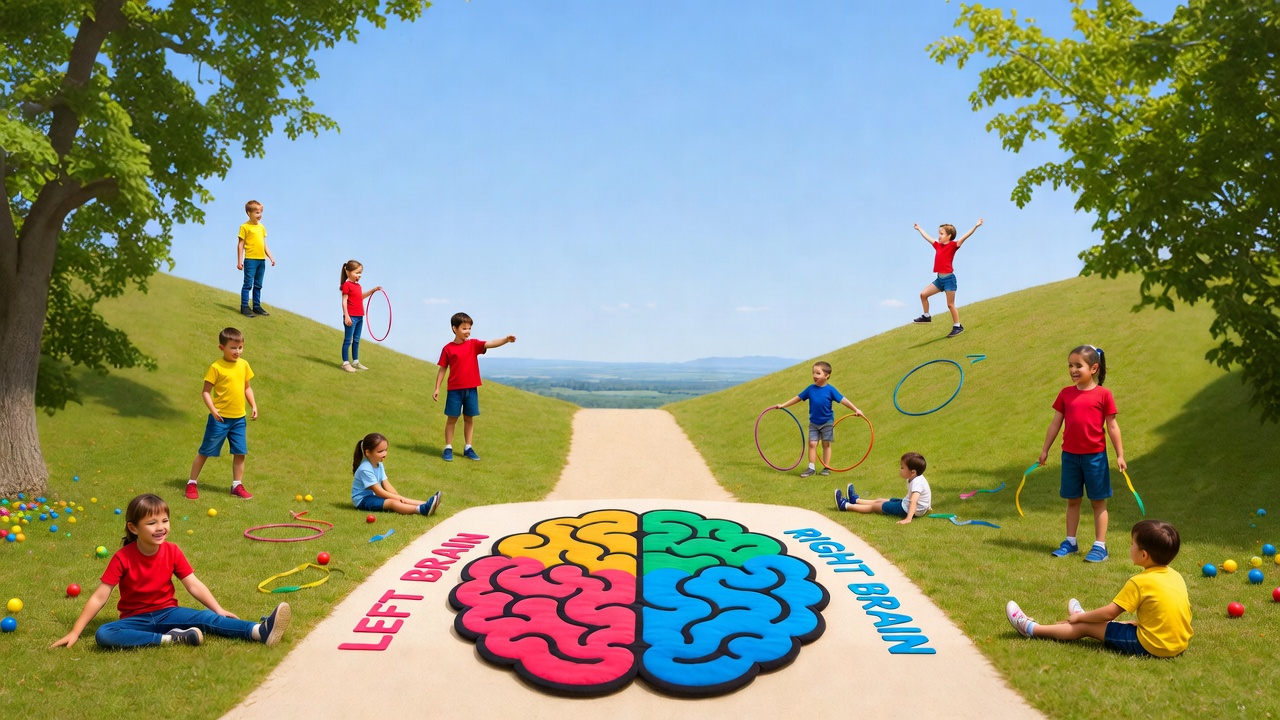
These exercises work by creating new neural pathways in the brain, improving communication between the left and right hemispheres, and enhancing overall cognitive function. For children with autism, ADHD, developmental delays, or learning difficulties, Brain Gym can be particularly transformative. In fact, at Early Autism Ventures (EAV), our occupational therapists in Hyderabad have witnessed countless “aha!” moments when children discover that learning can actually feel good.
Ready to see what Brain Gym could do for your child? Schedule a free consultation today.
Why Your Child’s Brain Loves Movement
Here’s something fascinating: the cerebellum, which controls movement, contains more than half of the brain’s neurons. That’s not a coincidence. Movement and learning are neurologically inseparated twins – you can’t optimize one without the other.
Plus, a recent 2025 study demonstrated that just 10 minutes of Brain Gym exercises improved reading comprehension by up to 30% in participating students. These aren’t just random movements – they’re strategically designed to activate specific brain regions responsible for focus, memory, coordination, and emotional regulation.
For children on the autism spectrum or those with ADHD, who often experience challenges with sensory processing and motor planning, Brain Gym exercises provide a structured, enjoyable way to develop these critical skills.
The Superstar Brain Gym Exercises Your Child Will Love
Brain Gym has 26 movements in total, each targeting specific learning and developmental skills. Here are all of them – starting with the five superstars, followed by the rest of the toolkit!
The Big Five (Your Child’s New Best Friends)

- Cross Crawl: The Hemisphere Handshake
Your child touches their right elbow to their left knee, then switches sides – like a slow-motion march. It activates both brain hemispheres simultaneously, improving coordination, focus, and reading skills. Also excellent for burning off pre-homework energy. You’re welcome.

- Hook-ups: The Calm-Down Champion
When a meltdown is two seconds away, Hook-ups save the day. Crossing ankles and wrists in a specific position activates the parasympathetic nervous system – your body’s natural chill-out mode. Our EAV therapists teach this to parents as a portable, anytime calm-down tool.
- PACE: The Ultimate Brain Wake-Up Call
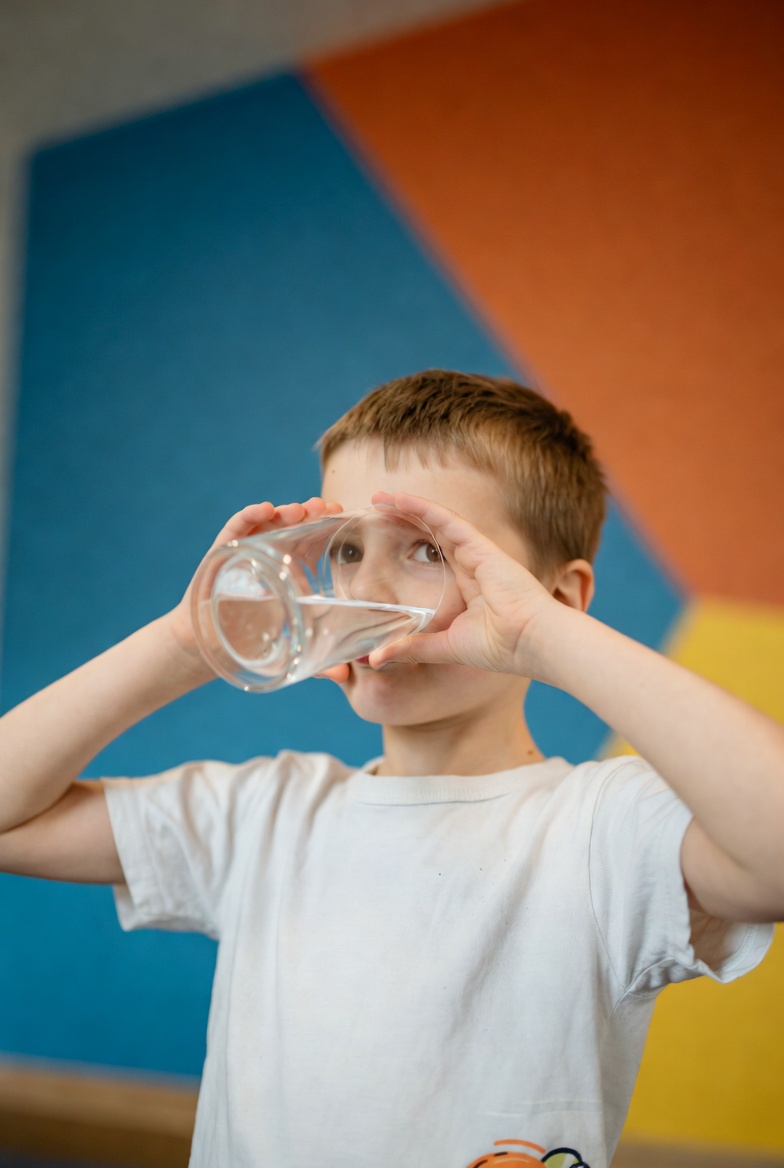
PACE combines four exercises (Drinking Water, Brain Buttons, Cross Crawl, and Hook-ups) into one powerful sequence. Think of it as your child’s morning coffee, minus the caffeine jitters. At EAV, we start almost every session with PACE because it primes the brain beautifully for learning.

- Lazy 8s: The Handwriting Hero
If your child’s handwriting looks like it survived an earthquake, meet their new best friend. Drawing a sideways figure-eight improves visual tracking, hand-eye coordination, and fine motor control. The rhythmic movement also calms anxious little writers down beautifully.

- Brain Buttons: The Focus Finder
Gentle pressure below the collarbone while the other hand rests on the navel – sounds quirky, works brilliantly. It increases blood flow to the brain and improves visual processing and attention span, particularly for children with learning difficulties.
Think your child could benefit from these exercises? Book a free consultation with EAV today.
The Rest of the Brain Gym Family
- Double Doodle
Drawing simultaneously with both hands in mirrored patterns. It builds spatial awareness, bilateral coordination, and prepares the brain for writing and reading direction.
- The Elephant
Your child extends one arm, places their ear on their shoulder, and draws large figure-eights with their whole upper body. It improves listening skills, attention, and short-term memory. Kids look hilarious doing it. That’s a bonus.
- Neck Rolls
Slowly rolling the head from side to side with the chin dropped. It releases tension in the neck and shoulders, improving focus and visual tracking. Perfect after a long school day.
- Belly Breathing
Deep, intentional breathing from the belly. It oxygenates the brain, reduces anxiety, and improves energy and attention. Deceptively simple, remarkably effective.
- Energy Yawn
Pressing the jaw muscles while taking a big, exaggerated yawn. It relaxes the jaw and facial muscles, improves oxygenation, and helps children refocus after mental fatigue.
- The Owl
Squeezing the shoulder muscle firmly while slowly turning the head side to side. It releases neck tension, improves listening comprehension, and helps with visual tracking.
- Arm Activation
Extending one arm overhead and gently pressing it in different directions with the other hand. It strengthens the muscles used for writing and fine motor tasks, reducing fatigue during handwriting.
- The Rocker
Sitting on the floor and rocking gently on the lower back in a circular motion. It stimulates the spinal cord and brain, improving attention and focus. Kids think it’s just fun. Therapists know better.
- Calf Pump
Pressing the heel down while leaning forward against a wall. It releases tension in the lower body and improves the brain’s ability to make forward-thinking connections and complete tasks.
- Gravity Glider
Crossing the ankles and bending forward gently while swinging the arms. It improves balance, releases tension in the hips, and enhances the brain’s organizational skills.
- The Grounder
Standing with feet apart and bending sideways toward each bent knee alternately. It stabilizes the body’s energy, improves focus, and strengthens the connection between movement and organized thinking.
- Brain Gym Positive Points
Lightly touching the forehead just above each eyebrow with fingertips. It reduces stress, improves emotional balance, and helps children process difficult feelings or experiences calmly.
- Earth Buttons
Two fingers below the lower lip and one hand on the navel. It improves midline orientation, grounding, and visual focus – helpful for children who feel scattered or overwhelmed.
- Space Buttons
Two fingers above the upper lip and one hand on the tailbone. It promotes upright posture, mental alertness, and a sense of presence – great for children who zone out easily.
- Balance Buttons
Touching just behind the ear while the other hand holds the navel. It improves balance, decision-making, and spatial awareness. Basically the brain’s equivalent of hitting refresh.
- Thinking Cap
Gently unrolling the outer edge of each ear with the thumbs and forefingers. It improves hearing, short-term memory, and attention. Also surprisingly satisfying to do.
- Cook’s Hook-ups
A more structured version of Hook-ups combining ankle and wrist crossing with specific hand positioning. It deeply calms the nervous system and improves self-regulation during high-stress situations.
- Energizer
Placing hands on the desk and slowly dropping the chin to the chest, then lifting the head back with a gentle spine stretch. It boosts circulation to the brain and re-energizes a child who’s mentally fatigued mid-session.
- Dennison Laterality Repatterning
A structured movement sequence that reinforces cross-lateral coordination. It’s particularly powerful for children who consistently favor one side of the body over the other.
- Footflex
Holding the ankle and gently flexing the foot back and forth while pressing along the calf. It releases muscle tension and improves the brain’s ability to communicate and express ideas.
- Contralateral Skipping
Good old-fashioned skipping – but intentional and rhythmic. It naturally integrates both brain hemispheres, improves coordination, and boosts mood. The world would honestly be a better place if more people skipped everywhere.
Not every child needs all 26 exercises and that’s where professional guidance makes all the difference. At Early Autism Ventures, our therapists assess your child’s specific needs and create a personalized Brain Gym plan that targets exactly what they need most.

The Real Benefits of Brain Gym Parents Actually Notice
Let’s talk about what Brain Gym therapy can do for your child in everyday life:
Improved Handwriting: No more teachers asking if your child’s homework is in ancient hieroglyphics. Brain Gym exercises enhance fine motor control and visual-motor integration, leading to clearer, more confident writing.
Better Focus and Attention: A meta-analysis in Educational Psychology Review found that movement-based interventions improved attention and executive function in children with ADHD by an average of 25%.
Enhanced Reading Skills: Cross-lateral movements improve the brain’s ability to track text smoothly, decode words efficiently, and comprehend what’s being read.
Stronger Coordination: From catching a ball to navigating stairs without looking like a baby giraffe, Brain Gym improves both gross and fine motor skills.
Emotional Regulation: Many Brain Gym exercises activate the calming parasympathetic nervous system, helping children manage anxiety, frustration, and sensory overload more effectively.
School Readiness: For younger children, Brain Gym builds the foundational skills needed for academic success – attention, motor planning, bilateral coordination, and body awareness.
Brain Gym for Children with Autism and Developmental Delays
For children on the autism spectrum, Brain Gym offers unique benefits. Research also indicates that movement-based therapies can improve motor skills, sensory processing, and social engagement in children with autism.
At Early Autism Ventures, our approach combines Brain Gym with evidence-based occupational therapy interventions tailored to each child’s unique needs. We’ve seen nonverbal children begin using more purposeful gestures, sensory-sensitive children develop better regulation strategies, and children with motor planning difficulties navigate their environment with newfound confidence.
The beauty of Brain Gym is that it doesn’t feel like “therapy” to kids – it feels like play. And play, as we know, is a child’s natural language.
When Should You Consider Brain Gym Therapy?

It’s important that you consider Brain Gym if your child:
- Struggles with handwriting or reverses letters frequently
- Has difficulty focusing on homework or classroom activities
- Shows poor coordination or frequently bumps into things
- Experiences challenges with reading comprehension
- Has been diagnosed with autism, ADHD, dyslexia, or developmental delays
- Struggles with emotional regulation or sensory processing
- Needs support with school readiness skills
The earlier you intervene, the better. The developing brain is remarkably plastic, meaning it can form new connections and pathways more easily in childhood than at any other time in life.
At Early Autism Ventures (EAV), we don’t just teach Brain Gym exercises – we create comprehensive, individualized therapy programs that integrate Brain Gym with occupational therapy, sensory integration, and developmental support.
Our pediatric occupational therapists in Hyderabad are trained in the latest evidence-based practices and genuinely love what they do (you can tell by the number of high-fives per session). We understand that every child is unique, which is why we never use cookie-cutter approaches.
Your Child’s Brain Deserves a Gym Membership
If you’ve made it this far, you’re clearly invested in your child’s development – and that matters more than you know. The fact that you’re researching, learning, and seeking solutions makes you exactly the kind of parent every child deserves.
Brain Gym therapy isn’t magic, but the results can certainly feel magical when you watch your child accomplish something they’ve been struggling with for months. Those moments – when they write their name legibly, finish their homework without a meltdown, or catch a ball for the first time – make everything worthwhile.
Early Autism Ventures is ready to partner with you on this journey. Our occupational therapy centre in Madhapur, Hyderabad is equipped with everything your child needs to succeed, and more importantly, our team is equipped with the expertise, patience, and genuine care that makes real transformation possible.
Take the First Step Today
Your child’s potential is waiting to be unlocked. Don’t let another day of frustration, struggle, or missed opportunities go by. Schedule your free consultation with Early Autism Ventures today and discover how Brain Gym therapy and comprehensive occupational therapy can change your child’s story.
Contact Early Autism Ventures now – your child’s brighter future starts with one conversation.
Call us, visit our child therapy centre in Hyderabad, or schedule online. We’re here, we’re ready, and we can’t wait to meet your amazing child. Because every child deserves the chance to learn, grow, and thrive – and at EAV, we make that happen, one joyful movement at a time.